Article

Q&A with Yasamin Bayley

- by
Tags: Featured

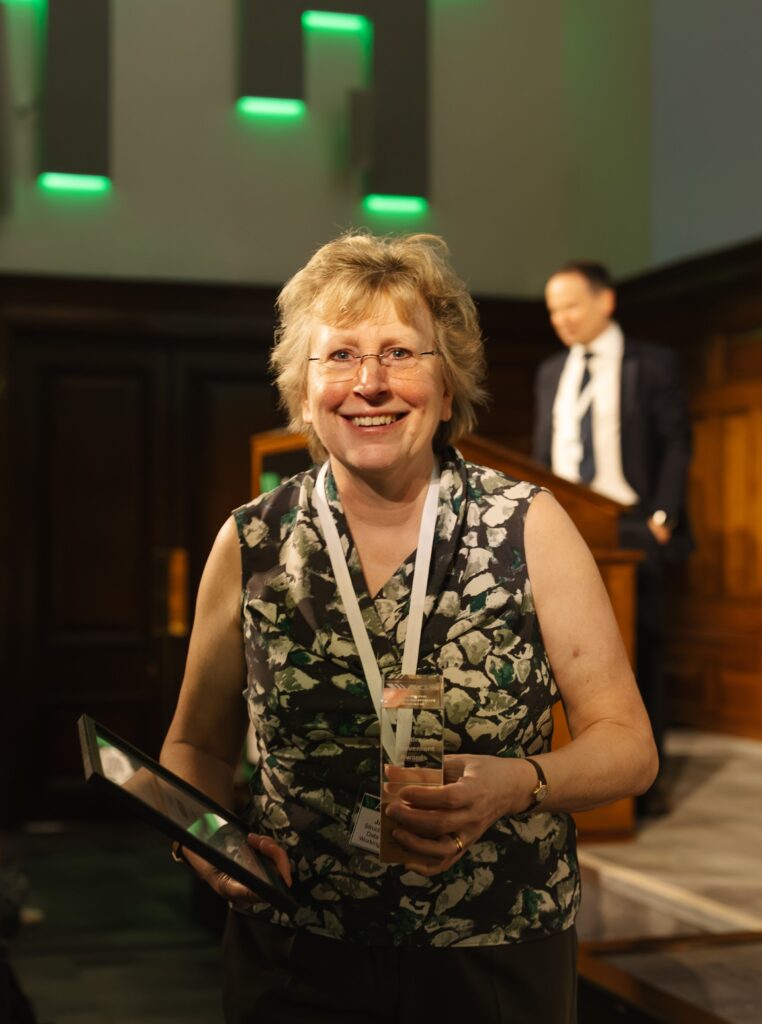
Yasamin Bayley (Graduate Engineering Geologist at Fairhurst) is the winner of the AGS Early Career’s Poster Competition 2026. Here we talk to her about her role, what attracted her into the industry and what inspired her to create her winning poster design.

Can you provide an overview on your career history, current role, and responsibilities?

I have been working in the industry for 3 years, having started at Fairhurst following completion of my MSc at the University of St Andrews. My current role as Graduate Engineering Geologist at Fairhurst involves a wide range of geo-environmental, geotechnical and mining projects working with residential, commercial, and infrastructure developments. I am involved in the preparation and management of geo-environmental and geotechnical ground investigations, subsequent interpretative reporting and remediation projects for a variety of developments. I also undertake rock slope stability inspections and have experience in site supervision of rock slope remedial works construction.

What attracted you into the industry?

Having always been curious and inspired by the natural world, I was interested in a career in the natural sciences from an early age. I studied Earth and Atmospheric Science at Cornell University and had the opportunity to develop a fantastic knowledge base in earth systems which cemented my interest in the geoscience field and to my continued education. During my postgraduate degree at St Andrews, I was introduced more in depth to geotechnical and engineering geology concepts which ultimately led me to pursue a career in this particular field.

Can you talk us through your poster design? Why did you decide to produce the poster as a collage?

The idea for my poster began with thinking that a ground model, with each insight having its own layer, would be an inspirational basis of design for reaching out to those interested in getting involved in the industry, as ground models highlight the importance of investigation and the discovery of the world around us that we achieve in our profession. I chose to do a hand-written poster as a nod to the hand sketches we often begin our design drawings with. Then I thought about the importance of the clarity in message and communication our drawings and figures need to have and that simple, block colours (like those of pieces of a collage!) would allow the text to be read by the audience most clearly. I thought the requirements for the poster to be “bold, colourful and eye-catching” would be achieved through collage as well.

What made you choose these five particular insights you have included in your poster?

This was again really driven by the requirement of the poster to be inspirational. I wanted to highlight the insights that I felt could speak to a range of interests of those looking to get involved in the industry. I wanted to highlight both the technical, such as the foundation of geoscience and problem solving, and broader aspects of our work, such as communication. I thought each insight was best presented with examples from my experience thus far. The aim was to get across the variety of projects and sectors that engineering geologists / geotechnical professionals work in. My favourite of the five insights is “The Foundation” as one of my favourite aspects of my job is constantly learning more about the earth system and utilising geoscience knowledge on a day-to-day basis.

Looking ahead, what emerging trends or changes in the industry do you think Early Career Professionals should be paying attention to?

Like many aspects of life in the present day, data gathering and data availability is becoming more and more abundant throughout the industry. Additionally, advances in areas such as modelling and monitoring are making data more readily available which have the potential to greatly improve the quality of our ground investigations, interpretations and designs, and ideally saving time, money and resources. With that being said, it can be easy to get bogged down in hundreds of thousands of data points, and data should be gathered “intentionally.” This process crucially begins with a thorough preliminary conceptual site model and preliminary ground model and identifying what data is required to answer whatever questions within your ground model you have or that the design requires. I recommend that Early Career Professionals take as many opportunities as possible to get experience with different types of geotechnical and geo-environmental datasets, data collection tools, and data processing tools to learn the advantages and disadvantages of each.

How did you find the AGS Annual Conference?

It was a pleasure to have been invited to this year’s AGS conference in London through being recognised as the winner of the Early Career Poster Competition. The range of presentations and attendees from different areas of the industry was impressive and reflects the importance of inter-disciplinary and collaborative work. It was inspiring to see a common theme emerge from many of the presenters and attendees of striving to improve the industry. Overall, it was a great experience to attend the conference and I am grateful for the opportunity.

What advice or words of wisdom that would you give someone who is considering entering the industry?

I’m sure many geologists and university students are familiar with the quote “the best geologists are those who have seen the most rocks” and this is certainly true in the industry. Whether it is solid geology, natural superficial deposits or anthropogenic deposits you are working with, having as much hands-on experience in the field or on site is invaluable. Don’t be afraid to get outside, rain or shine, and get your hands dirty! It will make you a better geologist and build resilience.

Article Data Management

Q&A with Jackie Bland

- by
Tags: Featured

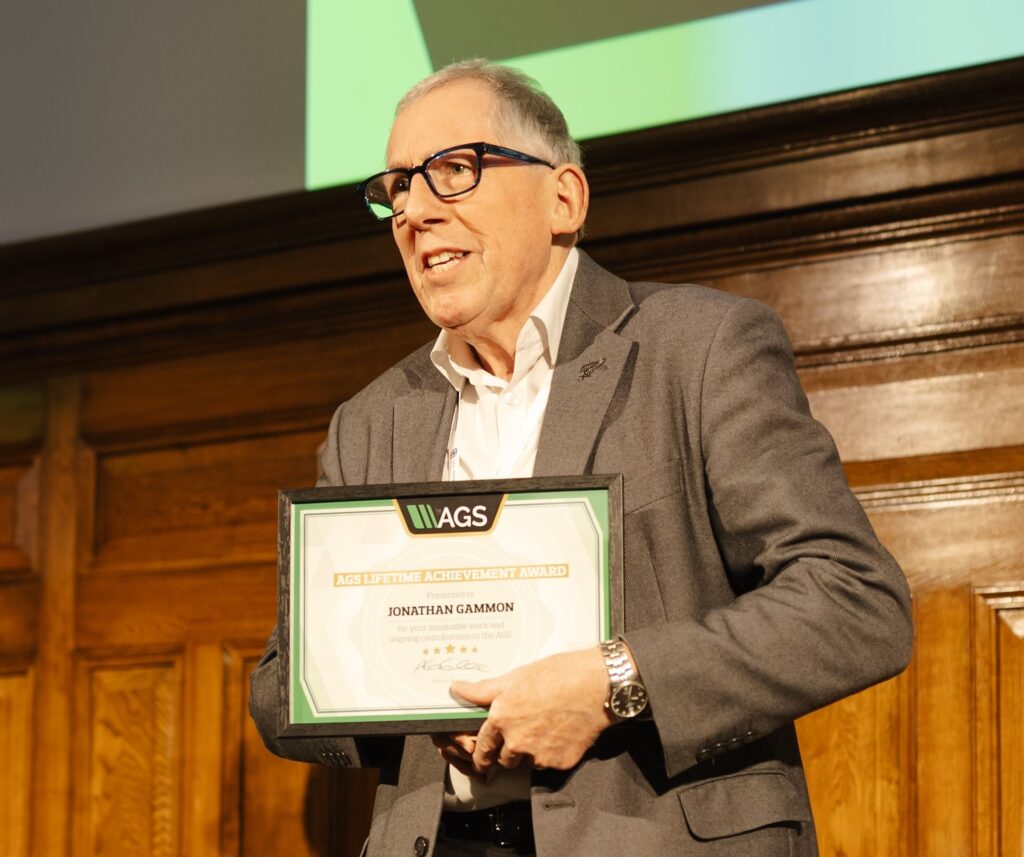
This year, the AGS has presented two lifetime achievement awards. Here, we speak to the first recipient, Jackie Bland. Jackie has been involved with the AGS for 30 years, serving as Leader of the Data Management Working Group for over 15 years, and currently sits on the Business Practice Working Group, Executive, and Development Fund.

What first inspired you to pursue a career in the geoscience industry?

Good question(!) – My route to geosciences was not a conventional one. It has been entirely from an information technology (IT) viewpoint.

I was completing my Computer Studies HND at Coventry Polytechnic (now Coventry University) when I was approached by a lecturer, Dickon Woods, from the Civil Engineering department. He, in turn, had been approached by Exploration Associates Ltd looking for someone to assist with developing their MS-DOS based systems for geotechnical reporting. It seemed an ideal opportunity/challenge to develop my skills in an industry that was just starting to develop its use of IT. It sounded exciting, so I jumped at the chance, and I’ve never left the industry. It’s filled with remarkable people and many technical challenges so I just can’t resist getting involved.

Looking back over your career, which achievement or moment are you most proud of?

The AGS Digital Data transfer format, creation and maintenance. The format has been developed ‘for the industry and by the industry’ to supply the ground investigation data and not digital paper (PDF) of the report. I’ve seen it develop from the initial creation and fledgeling version AGS 1.0 in 1991 to version AGS 4.2 in 2025. It’s a never ending process as Standards change, new tests are created and more items come into scope.

To confirm its worth, the format has been adopted in many other countries too, such as Australia, New Zealand, Singapore, Brazil and Hong Kong to name a few.

Has there been a particular turning point that significantly shaped your professional journey?

I feel I can take the ‘blame’ for the initial creation of the AGS Digital Data Format. My complaints to senior staff about the plethora of data interchange requirements for every new project coming through the business, all with the same data, but laid out differently within Lotus 123 (predecessor to Microsoft Excel) started a revolution – AGS called an industry meeting to discuss the issue in 1990, leading to AGS 1.0 in 1991. I feel obligated to continue maintaining what I was involved in starting!

How has the industry evolved since you first started, and what changes stand out most?

What springs to mind immediately is – from zero to hero…chalk and cheese…oil and water!

Data capture was a challenging thing when I first started in the industry. It was all we could do to digitally create a log and not type directly onto preprinted pages with a typewriter. Microsoft, Adobe, Google, Apple, Amazon and the internet happened and today we are hard pushed to not be able to capture data – photos, videos, speech, etc… – with our handheld devices and our interconnected world.

How important have collaboration and professional bodies such as AGS been throughout your career?

Exceptionally important.

What role has mentoring or supporting the development of others played in your professional life?

I have spent most of my career as a person of only one or two in the dept. It’s very hard to answer this question.

A fun day is explaining the intricacies of the company systems to be used to generate AGS data.

I always enjoy being on hand to chat over issues and improvements to the day to day digital grind.

What advice would you offer to early career professionals entering the industry today?

I love what I do every day and would like to think others are fortunate enough to do the  same. The interactions with other professionals in the industry, the education and knowledge they are happy to share is invaluable. My motto has always been “if I don’t get something, I find someone who can make me understand it”. Always ask and keep looking till you find the expert on the subject. Perseverance is important, there really is no substitute for your own learning.

In your view, what skills or qualities are essential for long-term success in this field?

I’m a Data Manager and system designer, so having a ‘data-head’ helps! What do I mean by that? It is simply that however data is stored, the easiest way to access that data should be at the forefront of any software design and data collection. To make that easy you need to understand the problem you’re solving, the area of the industry its aimed at and the skill of the data collectors.

What does receiving the AGS Lifetime Achievement Award mean to you personally?

I’m very proud to receive the award and surprised to have been nominated in the first place, as I’m not a geologist or a geotechnical engineer by training. It does, however, show what can be achieved through dogged perseverance with the same topic over a considerable period of time.

Article

Sustainable soil management – how to turn the Cinderella into a Princess

- by
Tags: Featured

Soil is a critical component of healthy, functioning ecosystems, playing a vital role in agriculture, water quality, and flood risk management, biodiversity and carbon storage. Soil underpins the new government environmental agenda, particularly in ‘ensuring nature recovery, supporting farmers to ensure Britain’s food security and protecting communities from flooding’.

Almost every construction project generates surplus soil. Once soil becomes a waste, particularly where contaminants are also present, it’s management often becomes more complex. Sustainable and effective soil management pays dividends in both cost reduction and project efficiency. Good soil management also contributes to the 10% Biodiversity Net Gain, a requirement for all new developments in England.

The reuse and reduction of surplus soil generated by development is supported by construction professionals and links directly to the Waste Hierarchy and contributes to the circular economy.  This approach prevents the need for surplus soil going to landfills. However, this is not an easy task. If we are to do better, we need to:

  • Raise the profile of soil

Greater effort is needed to elevate the importance of soil in the minds of a wider range of stakeholders across the industry. While there is broad agreement that soil is a valuable and non-replaceable resource, its benefits are often difficult to quantify. Its role in broader environmental priorities—such as nature recovery and biodiversity—is also frequently undervalued. In addition, soil is not given significant consideration within Biodiversity Net Gain (BNG) frameworks, and there are currently no mandatory requirements to address soil in this context. More broadly, the absence of direct regulations governing soil management further limits its prioritisation in practice.

Changing people’s perceptions is never easy. To address this, the construction industry should take a more coordinated and proactive approach:

  • Continue to engage with government: Ongoing lobbying is essential to ensure soil is better reflected in policy and regulation. Proposed changes—such as updates to the National Planning Policy Framework and initiatives like the Brownfield Passport—have the potential to drive improved soil management practices in the future.
  • Develop and share case studies: There is a need to collect and promote clear, accessible examples that demonstrate the benefits of good soil management. These should target a wider audience—not only consultants and contractors, but also clients, developers, and funders—and be disseminated through appropriate and effective channels.
  • Integrate soil into environmental assessment frameworks: Established methodologies such as  BREEAM (including BREEAM Infrastructure), and LEED should be encouraged to more explicitly incorporate soil within their assessment criteria.
  • Enhance education and awareness: Greater efforts are needed to educate biodiversity specialists, ecologists, and other professionals involved in the design and delivery of green infrastructure and nature recovery projects, so they better understand and value the role of soil. This should support the reuse of soils, particularly soil types which are needed to support ecological enhancements.
  • Promote interdisciplinary collaboration: Stronger collaboration between professionals involved in soil management and use is critical. This requires effective networks to facilitate communication and knowledge sharing.  Many organisations such as the British Society of Soil Science, Chartered Institute of Waste Management, CIRIA, the Institution of Environmental Sciences, and the Society for the Environment Soils and Stones Group etc., are already working towards this goal. While these bodies have made significant contributions over the past decades, their roles are not always clearly understood. Initiatives such as CIRIA’s Soil Community of Practice, including its roundtable meetings, aim to improve coordination and dialogue across the sector. Summaries of these discussions are available at: www.ciria.org/SOILCOP/
  • Improve access to knowledge and resources: There is a need to make soil management information more accessible to those seeking to learn and apply good practice. At present, the CIRIA Soil Community of Practice web portal (www.ciria.org/SOILCOP/) is only dedicated platform providing consolidated guidance on soil management for UK construction projects.
  • Improve our understanding and appreciation of what soil means to different professionals.

CIRIA’s Soil community of practice recently compiled a list of soil definitions from different construction professionals (Table 1). Soil is also defined in a number of guidance documents such as British Standards, CIRIA reports, etc.


Definitions Professionals Reference
Soil is a mixture of mineral and organic matter that contains air, water, and micro-organisms. It provides a medium in which plants grow, a habitat for animals, and storage for water. Ecologists What is soil?  COSMOS-UK web site

https://cosmos.ceh.ac.uk/soil


Soils is the combination of weathered minerals, organic materials and living organisms and the interactions between these.


Natural capital specialists including economists Enabling a Natural Capital Approach guidance


https://www.gov.uk/government/publications/enabling-a-natural-capital-approach-enca-guidance/enabling-a-natural-capital-approach-guidance


Where soil occurs, it is the topmost layer of the land, forming the interface between the underlying geology and the atmosphere and is a component of terrestrial ecosystems, providing a medium for the transmission

of carbon, water, nutrients, and the growth of plants.


Environmental impact assessors A New Perspective on Land and Soil in Environmental

Impact Assessment https://www.iema.net/media/3xejdu0u/2022-iema_land_and_soils_guidance.pdf


Soil consists of complex structures of soil grains separated by pores, channels and chambers. The solids are chemically active and are slowly but continually changing in composition and shape. Soil scientists What is soil? British Society of Soil Science web page https://soils.org.uk/faqs/


Soil is the natural medium for the growth of plants. It is also a natural body consisting of layers that are composed of weathered mineral materials, organic material, air and water. What is soil? Food and Agriculture Organisation of the United Nations

https://www.fao.org/soils-portal/about/all-definitions/en/


Soil is a biologically active complex mixture of weathered minerals, organic and inorganic compounds, living organisms, air and water which provides the foundation for life in terrestrial ecosystems. The Scottish Soil Framework 2009

https://www.gov.scot/binaries/content/documents/govscot/publications/advice-and-guidance/2009/05/scottish-soil-framework/documents/0081576-pdf/0081576-pdf/govscot%3Adocument/0081576.pdf


Soil is an engineering material consisting of mineral particles, organic matter, etc which provides support for structures like buildings and bridges, and is used for construction purposes such as building roads, dams, and embankments. Civil engineers/

Geotechnical engineers

Soil is the result of weathering processes that occur on the earth’s surface where the atmosphere meets the geosphere and hydrosphere.


Geologists Soil Parent Material Model – British Geological Survey

https://www.bgs.ac.uk/datasets/soil-parent-material-model/


Soil is a growing medium for plants in gardens. Soil is also material they often see on construction sites. General public


One of the key challenges in current soil management practices is that different professionals often think and operate in silos. While it may not be possible to establish a single, unified definition of soil, fostering a broader appreciation of what soil means to different stakeholders can help reduce misunderstandings. This shared awareness can support more coordinated and effective management approaches, encouraging individuals to consider soil beyond their immediate needs. Ultimately, such a shift would lead to more holistic and improved soil management practices.


  • More research on how soil function benefit construction projects

There is broad consensus that soil supports a wide range of ecosystem services and plays an important role in mitigating climate change impacts. However, further research is needed to clearly demonstrate and quantify these benefits—particularly over the short to medium term—in the context of construction projects. For example, more evidence is required to determine how much biodiversity net gain will be achieved if a given volume of surplus soil were reused within a project.

  • More real commitment from the industry and actions

There is no shortage of opportunities within industry to discuss soil-related issues. In recent years, numerous well-attended events have been organised by professional institutions, trade bodies, and other organisations. However, both the speakers and attendees at these events tend to be drawn from the same group of individuals, and the topics covered are often repetitive. As a result, engagement remains limited to a relatively small segment of the industry, and these discussions rarely generate new insights or meaningful progress.

A number of guidance has been developed in this area e.g.

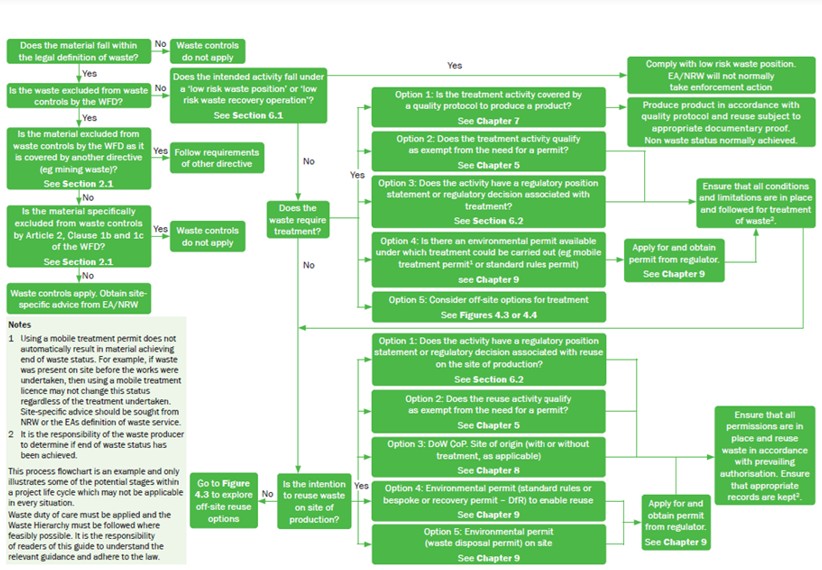
  • C809 Sustainable management of surplus soil and aggregates from construction. The report was published in 2023 and contains a series of flow charts which explain soil for onsite recovery or reuse.  Figure 1 is for England and Wales.  There are similar charts for Scotland and Northern Ireland.

Figure 1 On site recovery/ reuse for England and Wales


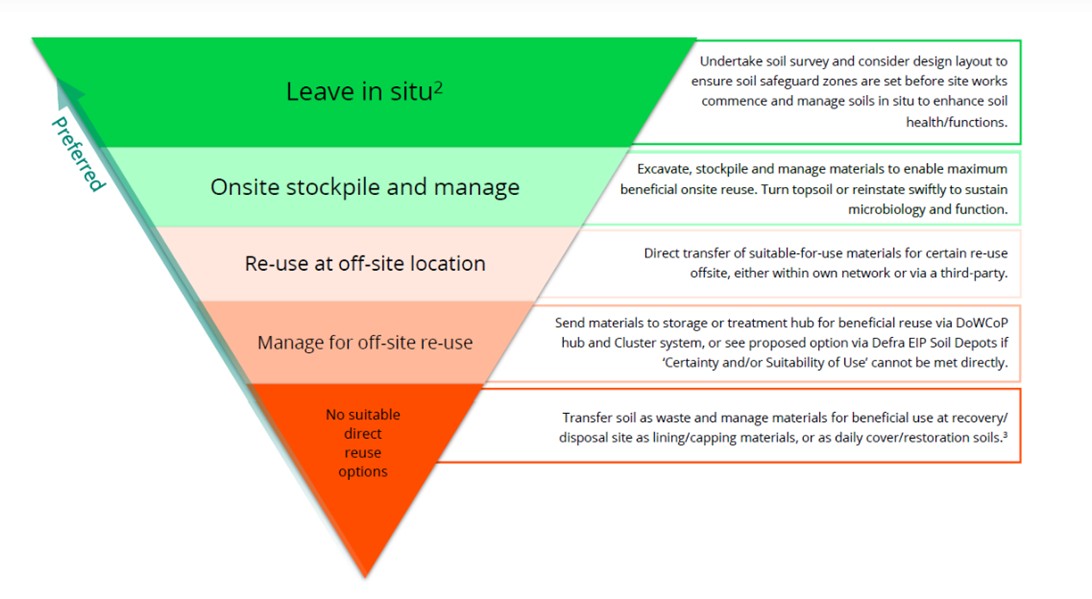
  • The Society of the Environment Soils and Stones Project has been working on this subject for many years. Last year, the project launched the Soil Management Hierarchy for Development sites (Figure 2)

Figure 2 The Soil Management Hierarchies for Development Sites developed by SocEnv Soils and Stones Project

  • The ReCon Soil project that aims ‘to halt the amounts being paid by the industry to dispose of waste soil from building sites across the UK and France’ finished in 2023. The project has developed a flow chart which focuses on where surplus soil can go order to comply with the different types of permits and regulations.

Although these existing resources are valuable, they do not address how soil should be managed at different stages of a construction project.  To address this, CIRIA is developing a project aimed at bridging the gap between regulation, policy, compliance, and on-the-ground implementation. The project will support practitioners to make decisions so that the right soil is used or disposed in the right place and the right time.  The key objectives of the work are:

  • Preserve and enhance soil functions: This includes not only ensuring soil can meet structural requirements but also maintaining and improving its broader functions for use on or off-site—such as supporting nature recovery, enhancing biodiversity, and contributing to flood mitigation—throughout all stages of a project.
  • Select appropriate reuse options: The guidance will support more informed decision-making on soil reuse by outlining:
    • the range of available on-site and off-site reuse options.
    • the key practical considerations and constraints associated with each option; and
    • opportunities to treat, improve, or otherwise modify soils to make them suitable for specific reuse scenarios including bio-cropping to reduce fertility
    • how specifications can be written to maximise soil reuse (there are more soils suitable as a growing medium than BS3882 multi-purpose topsoil) .


Overall, the aim is to provide clearer, more actionable guidance that enables better soil management outcomes in practice.

If you want to be involved in this project or CIRIA’s Soil Community of Practice, please go to www.ciria.org/SOILCOP/ or contact Joanne Kwan at CIRIA (email:joanne.kwan@ciria.org)

Article by Joanne Kwan, CIRIA Senior Research Manager and Sustainable Land Resue Programme Lead, CIRIA, Marc Perry, Principal Geo-environmental Engineer Sustainable Soils Technical Lead, RSK Geoscience and Chairman of CIRIA Soil Community of Practice, Claire Dickinson, Independent Consultant


Article Contaminated Land Laboratories

1,2,4-Triazole as a Model Polar Contaminant: Rethinking Environmental Fate Through Molecular Interactions

- by
Tags: Featured

Abstract

The environmental behaviour of organic contaminants has traditionally been interpreted through hydrophobic partitioning frameworks, in which parameters such as the octanol–water partition coefficient (log Kow) are used to predict distribution and fate (Mackay et al., 2006). However, this breaks down for small, highly polar, heterocyclic compounds such as 1,2,4-triazole. Formed widely as a degradation product of triazole fungicides, 1,2,4-triazole exhibits physicochemical properties dominated by hydrogen bonding, tautomerism, and strong aqueous solvation, resulting in extreme mobility and persistence in aquatic systems (Kahle et al., 2009; Wu et al., 2016). This article examines the molecular determinants of 1,2,4-triazole behaviour, with particular emphasis on solvation thermodynamics, proton-transfer equilibria, and intermolecular interactions (Cramer and Truhlar, 1999; Warshel, 1981). The limitations of conventional predictive models are discussed, together with broader implications for polar contaminants that fall outside hydrophobicity-based fate frameworks (Katritzky et al., 2010; Buck et al., 2011).

Introduction

The predictive framework for the environmental fate of organic contaminants has historically been grounded in hydrophobic partitioning theory, where the distribution of a compound between environmental compartments is approximated using equilibrium partition coefficients such as log Kow (Mackay et al., 2006). While this approach has proven effective for non-polar and moderately polar substances, it becomes fundamentally inadequate for small, highly polar, heteroatom-rich molecules (Hansch et al., 1995; Katritzky et al., 2010).

1,2,4-Triazole represents a prototypical example of such a compound. Structurally, it is a five-membered aromatic heterocycle containing three nitrogen atoms, giving rise to a highly polar electronic structure and multiple sites for intermolecular interaction (OECD, 2004). It is widely formed as a transformation product of triazole fungicides and has been detected extensively in groundwater and surface water systems (Kahle et al., 2009; Reemtsma et al., 2006; VITO, 2025). Its environmental behaviour is governed not by hydrophobicity, but by tautomeric equilibria, hydrogen bonding, and strong aqueous solvation (Cramer and Truhlar, 1999).

Molecular structure and electronic properties

1,2,4-Triazole is an aromatic heterocycle in which the π-electron system is delocalised over the five-membered ring, satisfying Hückel aromaticity criteria. The three nitrogen atoms introduce pronounced electron-density heterogeneity, yielding a highly polarised molecular framework (OECD, 2004) and enhancing intermolecular interaction potential, particularly with polar solvents such as water (Katritzky et al., 2010).

A defining feature of 1,2,4-triazole is its ability to undergo tautomerism, in which a proton is transferred between nitrogen atoms within the ring. This generates multiple energetically accessible tautomers with distinct hydrogen bonding patterns and electronic distributions (Cramer and Truhlar, 1999). Rapid interconversion between these forms in aqueous environments facilitates adaptive interactions with surrounding solvent molecules. Proton-transfer processes of this type are well established as key determinants of molecular behaviour in solution and are extensively described in continuum solvation models and quantum chemical simulations (Cramer and Truhlar, 1999; Warshel, 1981).

Solvation and hydrogen bonding

The interaction of 1,2,4-triazole with water is dominated by hydrogen bonding, arising from both hydrogen bond donor and acceptor functionality within the molecule. The nitrogen atoms act as strong hydrogen bond acceptors, while protonated sites provide donor capability, enabling formation of multidirectional hydrogen-bond networks (Katritzky et al., 2010).

These interactions extend beyond simple pairwise contacts to form structured hydration shells, in which multiple water molecules are organised around the solute. Such structuring strongly stabilises polar solutes in aqueous environments and is a key contributor to high solubility (Cramer and Truhlar, 1999). The free energy of solvation is highly favourable due to electrostatic stabilisation and hydrogen bonding between solute and solvent (Cramer and Truhlar, 1999), leading to extremely high aqueous solubility and negligible partitioning into organic phases. This behaviour is poorly captured by traditional descriptors such as log Kow (Mackay et al., 2006) and underscores the need for alternative thermodynamic descriptors for polar compounds (Hansch et al., 1995).

Environmental behaviour as an emergent property

Hydrophobic partitioning models assume that dispersion forces dominate solute–phase interactions, an assumption that fails for highly polar molecules (Mackay et al., 2006). For 1,2,4-triazole, hydrogen bonding and electrostatic interactions govern environmental partitioning, rendering log Kow an insufficient predictor of distribution (Hansch et al., 1995; Katritzky et al., 2010). Quantitative structure–activity relationship (QSAR) models that rely primarily on hydrophobicity and steric descriptors similarly struggle when solvation effects dominate (Katritzky et al., 2010).

The high mobility of 1,2,4-triazole arises directly from its strong stabilisation in the aqueous phase. Sorption to soils and sediments is thermodynamically disfavoured due to minimal hydrophobic surface area and the energetic penalty associated with disrupting structured hydration shells (Mackay et al., 2006). As a result, subsurface transport is subject to minimal retardation, with behaviour approaching that of conservative tracers; field observations of groundwater contamination demonstrate rapid migration and widespread distribution (Reemtsma et al., 2006; VITO, 2025).

The persistence of 1,2,4-triazole is closely linked to its chemical stability. The aromatic ring confers resistance to oxidative and hydrolytic degradation, while the absence of strongly activated functional groups limits transformation pathways (Wu et al., 2016). In addition, continuous formation as a degradation product of triazole fungicides maintains environmental inputs (Kahle et al., 2009; EFSA, 2018), leading to sustained concentrations in aquatic systems (Reemtsma et al., 2006).

The behaviour of 1,2,4-triazole is emblematic of a broader class of polar, persistent contaminants that challenge traditional environmental fate models. Similar issues have been documented for some PFAS, which also exhibit high mobility and resistance to degradation (Buck et al., 2011). However, whereas some PFAS persistence is often attributed to strong carbon–fluorine bonds, the persistence of 1,2,4-triazole arises from different molecular mechanisms, including aromatic stability and favourable solvation energetics. This illustrates the diversity of molecular pathways leading to environmental persistence (Buck et al., 2011; Cousins et al., 2020).

Collectively, these observations expose the limitations of empirical, hydrophobicity-based models and highlight the need for approaches grounded in molecular chemistry. Advances in computational modelling, particularly those that explicitly treat solvation and intermolecular interactions, offer a route to improved predictive capability (Cramer and Truhlar, 1999; Warshel, 1981). Integrating such approaches into environmental fate assessment will be essential for accurately describing the behaviour of contaminants that fall outside traditional hydrophobic paradigms (Katritzky et al., 2010).

Analytical considerations

The analysis of 1,2,4-triazole is challenging due to its high polarity and low molecular weight. Conventional analytical techniques may lack sufficient sensitivity or selectivity in complex environmental matrices, although advances in high-resolution mass spectrometry have substantially improved detection limits and confidence in identification (Schymanski et al., 2014). Non-target and suspect screening approaches are increasingly applied to detect transformation products, but they require careful interpretation in light of potential false positives, ionisation biases, and limitations in spectral libraries (Schymanski et al., 2014).

Regulation and conclusion

In Europe, regulatory oversight of 1,2,4-triazole is primarily indirect, arising from its role as a common transformation product of triazole fungicides rather than as a standalone regulated substance. Under the REACH Regulation, substances manufactured or imported above defined tonnage thresholds must be registered with the European Chemicals Agency, including provision of physicochemical, toxicological, and environmental fate data. While 1,2,4-triazole appears in chemical inventories and assessments (ECHA, 2023), its regulatory significance is more strongly linked to pesticide legislation under Regulation (EC) No 1107/2009, where it is considered in metabolite risk assessment (EFSA, 2018). Increasing attention has been given to its occurrence in groundwater and drinking water, particularly where metabolite persistence and mobility challenge conventional risk frameworks (Reemtsma et al., 2006; VITO, 2025). This has contributed to a growing regulatory focus on “relevant metabolites,” in which compounds such as 1,2,4-triazole are evaluated not solely on toxicity, but also on persistence and exposure potential.

1,2,4-Triazole thus provides a clear example of how molecular structure and solvation can govern environmental behaviour in ways not captured by traditional hydrophobicity-based models. Its fate is dictated by tautomerism, hydrogen bonding, and solvation energetics, leading to high mobility and persistence in aqueous systems (Cramer and Truhlar, 1999; Wu et al., 2016). The increasing prevalence of such compounds highlights the need for a paradigm shift in environmental chemistry, from empirical descriptors toward mechanistic, chemistry-based frameworks. Such an approach will be essential for understanding and managing the next generation of environmental contaminants (Katritzky et al., 2010; Buck et al., 2011).

Bibliography

Buck, R.C., Franklin, J., Berger, U., Conder, J.M., Cousins, I.T., de Voogt, P., Jensen, A.A., Kannan, K., Mabury, S.A. and van Leeuwen, S.P.J., 2011. Perfluoroalkyl and polyfluoroalkyl substances in the environment: terminology, classification, and origins. Integrated Environmental Assessment and Management, 7(4), pp.513–541.

Cousins, I.T., Goldenman, G., Herzke, D., Lohmann, R., Miller, M., Ng, C.A., Scheringer, M., Vierke, L. and Wang, Z., 2020. The concept of essential use for determining when uses of PFASs are essential and non-essential. Environment International, 137, p.105505.

Cramer, C.J. and Truhlar, D.G., 1999. Implicit solvation models: Equilibria, structure, spectra, and dynamics. Chemical Reviews, 99(8), pp.2161–2200.

European Chemicals Agency (ECHA), 2023. Information on Chemicals: 1H-1,2,4-triazole. Available at: https://echa.europa.eu (Accessed: 31 January 2026).

European Food Safety Authority (EFSA), 2018. Peer review of the pesticide risk assessment of the active substance cyproconazole. EFSA Journal, 16(7), e05376.

Hansch, C., Leo, A. and Hoekman, D., 1995. Exploring QSAR: Hydrophobic, electronic, and steric constants. Washington, DC: American Chemical Society.

Kahle, M., Buerge, I.J., Hauser, A., Müller, M.D. and Poiger, T., 2009. Azole fungicides: Occurrence and fate in wastewater and freshwater systems. Environmental Science & Technology, 43(15), pp.5875–5881.

Katritzky, A.R., Lobanov, V.S. and Karelson, M., 2010. Quantitative correlation of physical and chemical properties with chemical structure: Utility for prediction. Chemical Reviews, 110(4), pp.1711–1760.

Mackay, D., Shiu, W.Y., Ma, K.C. and Lee, S.C., 2006. Handbook of physical-chemical properties and environmental fate for organic chemicals. Volume III: Mammalian and terrestrial toxicology. Boca Raton: CRC Press.

Organisation for Economic Co-operation and Development (OECD), 2004. SIDS Initial Assessment Report for SIAM 19: 1H-1,2,4-Triazole. Paris: OECD Publishing.

Reemtsma, T., Alder, L. and Banasiak, U., 2006. Emerging pesticide metabolites in groundwater and surface water as determined by the application of a multimethod for 150 pesticide metabolites. Analytical and Bioanalytical Chemistry, 384(5), pp.1105–1115.

Schymanski, E.L., Singer, H.P., Longrée, P., Loos, M., Ruff, M., Stravs, M.A., Vidal, C.R. and Hollender, J., 2014. Strategies to characterize polar organic contamination in wastewater: Exploring the capability of high resolution mass spectrometry. Analytical Chemistry, 86(4), pp.1771–1778.

Tian, Z., Kim, S.K., Lee, S.Y., Park, J.H., Kim, H.J. and Lee, J., 2021. Rapid assemblage of therapeutic adeno-associated virus 1/2 vectors in ovarian cancer dissemination models. Nature Communications, 12(1), p.1234.

VITO, 2025. 1,2,4-triazool in drinkwater West-Vlaanderen: bronnenonderzoek. Referentie 2025/WET/R/3487. Commissioned by De Watergroep.

Warshel, A., 1981. Computer modeling of chemical reactions in enzymes and solutions. New York: Wiley.

Wu, W., Yang, M., Feng, C., Zhang, J. and Li, J., 2016. Degradation of 1,2,4-triazole fungicides in the environment. Journal of Ecology and Rural Environment, 32(5), pp.837–841.

Article by

Ken SCALLY1,2,

1Normec, 2Mount Royal University, Canada

Article

SiLC Leadership for a New Era: Welcoming Tom Henman, Lucy Bethell and Freddie Kennedy

- by
Tags: Featured

The Specialist in Land Condition (SiLC) Register enters a new chapter in 2026 with a refreshed leadership team bringing deep expertise, fresh perspectives and a shared commitment to raising standards across the land condition sector. With Dr Tom Henman stepping into the role of Chair of the SiLC Board, Lucy Bethell becoming Chair of the Professional and Technical Panel (PTP), and Freddie Kennedy joining the PTP as the Recently Qualified SiLC representative, SiLC strengthens its position as a leading voice for competence, quality and professional development.

Together, they represent the breadth and depth of the SiLC community from senior leaders shaping national guidance, technical directors driving innovation, to emerging professionals championing the next generation.

Dr Tom Henman: Chair of the SiLC Board

With more than 30 years of experience across consultancy, industry and academia, Dr Tom Henman brings a strategic, future‑focused perspective and considerable energy to his new role as Chair of the SiLC Board.

A Director at RSK Geosciences, Tom provides senior technical oversight and leads on sustainability and innovation within one of the UK’s foremost geosciences consultancies. His expertise spans land contamination risk assessment, remediation, soil and groundwater impacts, and ground and mine gas risk. He is a Chartered Chemist and Scientist, Fellow of the Royal Society of Chemistry, SiLC, and SQP under the National Quality Mark Scheme.

Tom has long been at the forefront of raising technical standards across the sector, contributing to organisations such as SiLC, AGS, EIC and CL:AIRE. His leadership within SiLC has been pivotal: after serving as Deputy Chair and then Chair of the PTP from 2020 to 2024, he became Deputy Chair of the SiLC Board in 2024. He now takes on the Board Chair role for a two‑year term, supported by Louise Beale as Deputy Board Chair.

His interests extend beyond risk mitigation to the beneficial reuse of brownfield land, biodiversity enhancement and climate risk. He has authored numerous papers, research reports and technical guidance, and is a lead author of the first UK guidance dedicated to assessing and managing climate and extreme weather impacts on geo‑based risks, due for publication by CIRIA in April 2026.

Reflecting on his appointment, Tom said:

‘I am really pleased to take on the role of Chair of the SiLC Board and for the opportunity to contribute to leading the organisation and delivering SiLC’s mission going forward. This includes updating assessment processes for SiLC candidates, supporting higher standards in site assessment and better regulation, and integrating climate risk and sustainability issues within the land condition sector.’

Lucy Bethell: Chair of the SiLC Professional and Technical Panel

With over twenty years’ experience in land contamination and environmental risk management, Lucy Bethell brings a holistic, people‑centred approach to her new role as Chair of the PTP.

A Technical Director at Mott MacDonald, Lucy has worked across the UK and internationally on complex land condition projects, from intricate groundwater challenges on constrained London sites to landfill investigations in Morocco. Her passion lies in environmental protection, cross‑disciplinary collaboration and delivering positive societal outcomes.

Lucy is a strong advocate for diversity and technical excellence, supporting women and underrepresented groups across the environmental sector. She credits her own development to the guidance of senior role models and now plays an active role in nurturing the next generation.

Reflecting on her transition into the Chair role, Lucy shared:

“It has been fantastic working with Louise Beale over the last two years and seeing the demonstrable progress that SiLC has made in a very short time under her leadership… I am delighted to now take on the role of Chairperson.”

Looking ahead, she emphasises continuity and community:

“In my current role, I hope to build on the excellent work of Louise and the previous Chairs, Tom and Ian, and focus on supporting and celebrating our current and future SiLC Community. I look forward to working with, and learning from, our wonderful SiLC Volunteers… all of whom give their time and expertise to support SiLC and the wider industry.”

Freddie Kennedy: Recently Qualified SiLC Representative on the PTP

Representing the next generation of land condition professionals, Freddie Kennedy joins the PTP as the Recently Qualified SiLC representative, bringing energy, ambition and a strong commitment to sustainability.

An Associate Director at AtkinsRealis, Freddie has worked across blue‑chip multinationals and specialist engineering firms, assessing a wide range of sites and designing remediation strategies for complex land uses including former gasworks, landfills and PFAS‑impacted airfields.

He is particularly passionate about embedding sustainability in a value‑engineered, practical way, ensuring environmental responsibility enhances, rather than complicates, project delivery.

Freddie said:

“I am really pleased to share that I have recently stepped into the role of Recently Qualified SiLC on the SiLC Professional Technical Panel.”

His priorities are clear:

“I want to help to strengthen the number of aspiring SiLCs and support recently qualified SiLCs in building a strong and visible profile for themselves in the environmental sector.”

And his enthusiasm for SiLC is unmistakable:

“What I love most about SiLC is the commitment to rigour and technical excellence… My career has certainly benefited from becoming a qualified SiLC and I hope that more and more can feel the same.”

A Strengthened Leadership Team for a Sector in Transition

The appointments of Tom, Lucy and Freddie come at a pivotal moment for the land condition sector. The drive for economic growth through increased house building and infrastructure development needs to be accompanied by high quality land assessment and remediation to support safe, sustainable and climate resilient development. SiLCs refreshed leadership team reflects the organisation’s commitment to:

  • Raising professional standards
  • Supporting competence and career progression
  • Embedding sustainability and climate resilience in land condition assessments
  • Strengthening and diversifying the SiLC community
  • Ensuring the sector is equipped for the challenges ahead

With experience spanning senior leadership, technical excellence and early‑career representation, this team is well‑positioned to guide SiLC into its next phase.

Article Loss Prevention

AGS Members’ Free Legal Helpline

- by
Tags: Featured

As an AGS member, you have access to a free specialist legal helpline provided by AGS member Beale & Co, an internationally recognised construction and insurance law firm.

Whether you need summary legal advice, a second opinion, or a quick clarification on an issue, their lawyers are on hand to help. Each AGS member can receive 30 minutes of free, specialist guidance, giving you early direction and helping you stay on top of issues before they escalate.

Areas of Advice Include:

  • Appointments and collateral warranties
  • Non-payment or payment disputes
  • Issues arising on ongoing projects
  • Health & safety matters
  • Regulatory matters
  • Commercial or contractual queries

Important Information

  • The helpline does not include document reviews. If you require documents to be reviewed, your firm will need to formally instruct Beale & Co.
  • This service is available exclusively to AGS members.
  • Members are entitled to one helpline call per issue.
  • If you require assistance with document reviews or advice in writing, then this will be outside of the helpline. Beale & Co are happy to provide an estimate if such work is required.
  • Any issues which may lead to a claim against you should be discussed with your brokers first.

LEGAL HELPLINE

Beale & Co

Telephone: +44 (0) 20 7469 0400 (Please quote ‘AGS Helpline’)

www.beale-law.com


Article Event Contaminated Land

The Changing Landscape of Land Contamination – Sponsorship Opportunities

The Changing Landscape of Land Contamination – Sponsorship Opportunities
2026-10-1515th Oct 2026

The AGS is pleased to announce details of The Changing Landscape of  Land Contamination, which is a full-day, CPD event is taking place on Thursday 15th October at Thinktank Birmingham Science Museum.

Sponsoring The Changing Landscape of Contaminated Land conference offers a valuable opportunity to position your organisation at the forefront of a rapidly evolving sector. Bringing together industry professionals from across the sector, this event provides direct access to key decision-makers, influencers and emerging talent. With a focused technical programme covering current challenges and future developments, sponsorship will enhance your visibility, strengthen your brand presence and demonstrate your commitment to supporting best practice within the contaminated land community.

Please see details below of our available sponsorship packages for both members and non-members of the AGS who wish to have a presence at this highly targeted conference. All listed rates exclude VAT. 

EMERALD SPONSOR (AGS Member Rate: £1350/ Non-Member Rate: £1755)

  • Full page advert in AGS Magazine (worth £400, over 7,800 subscribers) **
  • A dedicated exhibition table, enabling you to present your company’s initiatives, research, software and promotional materials in a high-profile networking environment.
  • Entry for three delegates into the conference
  • Company logo on the conference lectern
  • Company logo on the event presentation holding slide
  • Company logo, overview and URL on the event programme
  • Company overview and URL on the AGS website
  • Company logo featured in promotional emails
  • Two company posts on the AGS’ LinkedIn page (over 9,760 followers)
  • Company inclusion in pre-event and post-event articles in AGS Magazine (over 7,800 subscribers)


GOLD SPONSOR – (AGS Member Rate: £1200/ Non-Member Rate: £1560)

  • A dedicated exhibition table, enabling you to present your company’s initiatives, research, software and promotional materials in a high-profile networking environment.
  • Entry for two delegates into the conference
  • Company logo on the conference lectern
  • 1/4-page advert in AGS Magazine (worth £160, over 7,800 subscribers)
  • Company logo on the event presentation holding slide
  • Company logo, overview and URL on the event programme
  • Company overview and URL on the AGS website
  • Company logo featured in promotional emails
  • One company post on the AGS’ LinkedIn page (over 9,760 followers)
  • Company inclusion in pre-event and post-event articles in AGS Magazine (over 7,800 subscribers)


ASSOCIATE SPONSOR (AGS Member Rate: £600 Non-Member Rate: £840)

  • Entry for one delegate into the conference
  • Company directory in AGS magazine (worth £50, over 7,800 subscribers)
  • Company logo on the conference lectern
  • Company logo on the event presentation holding slide
  • Company logo, overview and URL on the event programme
  • Company overview and URL on the AGS website
  • Company logo featured in promotional emails
  • One company post on the AGS’ LinkedIn page (over 9,760 followers)
  • Company inclusion in pre-event and post-event articles in AGS Magazine (over 7,800 subscribers)


If you’d like to confirm your support, please contact Caroline Kratz on ags@ags.org.uk. Please note that packages are limited and are offered on a first come, first served basis. Sponsorship closes on Friday 4th September. 

Article Safety

Collaboration between the AGS Safety Working Group and the BDA Health & Safety (H&S) Sub-Committee

- by
Tags: Featured

The AGS Safety Working Group provides a platform where industry safety guidance and developments can be shared and promoted to the industry. Paul Breslin, Chair of the BDA Health & Safety Sub-Committee, regularly attends the AGS meetings and delivers a summary of BDA safety developments. Using the AGS platform, there is now an opportunity to share these BDA safety developments to everyone working within the site investigation industry.

Liz Withington, Chair of the AGS Safety Working Group commented that this BDA/AGS collaboration will now become a regular feature in the AGS magazine, reporting on recent developments every quarter.

The BDA Health & Safety (H&S) Sub-Committee met mid-November. The attendees shared updates around hydraulic hose safety, CP rig wind loadings, whole body vibration monitoring, transport compliance, occupational health, and audit administration.

The precis from the November 2025 BDA meeting is presented here:

  • Hydraulic Hoses Position Paper Final Review – The committee confirmed that the updated Hydraulic Hose Position Paper is ready for publication. A short, practical visual inspection will be incorporated into pre-operational checks, supported in future by a training video (to complement, not replace, hands-on instruction).
  • Cable Percussion Drilling Wind Loadings – A contractor query led to discussion on appropriate operating limits for CP rigs in high winds. Manufacturers’ guidance and crane industry recommendations (BS7121 inspired) will be adapted into a BDA advisory document for wider member awareness, and a safety alert will also be issued.
  • Rotary Drilling Non-Compliant Set-up on Social Media – An instance of non-compliant rotary rig presentation on a social media platform was reported. This will be reviewed offline, with follow-up advice to be provided.
  • Whole Body Vibration Testing for Sonic and Vibratory Activities – Initial whole body vibration results were presented and found to be well within exposure limits. Further assessment across full rig fleets will continue, with findings to be shared at future meetings.
  • Towing & O-Licence Requirements – BDA Auditors have reported ambiguity regarding trailers over 3.5 tonnes and the requirement for a restricted O-licence. Further regulatory clarity will be sought to inform a consistent industry position and ensure members understand compliance expectations.
  • Mental Health Communications – A seasonal mental health blog focused on isolation during the Christmas period was prepared and promoted to BDA members, as part of the committee’s wider occupational health focus.
  • BDA Audit Administration – 22 audits have been completed this month, with activity easing towards year-end. To improve the flow of H&S-related information, the BDA membership application form will be updated to capture the designated H&S contact for each member company.
  • Safety Guidance Review – Committee members will review the latest Safety Guidance Status Report ahead of the next sub-committee meeting.

Next meeting is taking place on 5th March 2026.

Image credit: British Drilling Association

Article

Ground Investigation Data Professionals Invited To Support BGS Common Ground Project

- by
Tags: Featured

Professionals responsible for procuring, producing or using geotechnical data are being encouraged to complete a short industry survey to support the British Geological Survey’s (BGS) Common Ground Project.

The research, being carried out by Difference Engine on behalf of BGS, is seeking input from users of ground investigation (GI) data, producers of GI data, those who specify, procure or interpret ground investigations, and developers, asset owners and infrastructure teams managing ground risk.

The survey provides an opportunity for practitioners to help shape the development of a proposed national geotechnical properties data service. The initiative forms part of the Common Ground Project, through which BGS is working to unlock greater value from existing ground investigation data. The project has secured second-phase funding from the Government Office for Technology Transfer.

Ground investigation represents a major area of investment across the UK, with approximately £1.2bn spent annually on GI activities. Despite this, unforeseen ground conditions continue to contribute to project delays and an estimated programme overspend of around 10 per cent — equivalent to approximately £120m each year.

The Common Ground Project aims to improve how existing data is accessed, shared and applied, with potential benefits including earlier risk reduction, improved planning decisions, reduced duplication, increased efficiency and support for carbon reduction.

Input is particularly valuable from professionals who have experienced challenges accessing or using ground investigation data, have had to repeat investigations due to unavailable historic information, have encountered unforeseen ground conditions late in project programmes, or have struggled to benchmark geotechnical parameters with confidence.

Stakeholders who wish to contribute are invited to complete the survey as soon as possible:
👉 https://cobaltskysurveys.com/mrIWeb/mrIWeb.dll?I.Project=J2025sketchbook005_BritishGeologyS1&ID=client420

Alternatively, those interested in taking part in the wider research can contact the Common Ground team at commonground@bgs.ac.uk.


Article

Q&A with Sandra Carvalho

- by
Tags: Featured

Name: Sandra Carvalho

Job title: Instrumentation and Monitoring (I&M) Contracts Manager for BAM

What company do you work for, and what do they specialise in?

Our Ground Engineering capability at BAM has evolved from the foundation established under the BAM Ritchies name. Historically delivering specialist ground engineering solutions — including soil nailing, piling, ground anchors, and ground investigation — we have continued to expand and innovate. Over the last three to four years we have been also developing our Instrumentation and Monitoring department, which I was hired to manage.

How long have you worked in the industry for and what inspired you to join?

I’ve worked in the Instrumentation & Monitoring industry for 23 years. My interest in the ground engineering world started in high school, where a geology module sparked my curiosity about how the earth behaves. That led me to pursue a degree in Geological Engineering at university. My entry into the I&M field was somewhat unexpected — the Foundations and Geotechnics company where I began as a trainee needed support in their monitoring department. After stepping into the role I quickly found that I loved the mix of data, engineering, and problem‑solving, and my career has grown from there.

What does a typical day look like?

As an Instrumentation & Monitoring Contracts Manager, my typical day balances technical oversight, client engagement, and commercial management. I start by coordinating with engineers and subcontractors to ensure safe and efficient site activity. I spend part of the day meeting with clients to discuss progress, resolve issues, and provide clarity on monitoring results. I also manage contract deliverables, track costs, and address any scope changes. Throughout the day, I’m problem‑solving, making data‑driven decisions, and ensuring our monitoring systems provide reliable information for asset safety and project delivery.

What is your favourite thing about your role?

My favourite part of the role is being at the intersection of technical insight, problem‑solving, and client engagement. I enjoy turning complex monitoring data into clear, practical decisions that keep assets safe and projects moving. I like the pace and variety — no two days are the same — and I take pride in coordinating teams, resolving issues quickly, and building strong relationships with clients. The role allows me to have a real impact by ensuring monitoring is reliable, risks are managed, and the work we deliver genuinely supports safe and efficient infrastructure delivery.

What lessons have you learnt throughout your career?

Throughout my career, I’ve learnt several key lessons. First, the importance of accuracy and attention to detail — in I&M even small data errors can lead to major consequences, so robust processes and quality control are essential. I’ve also learnt that effective communication is just as important as technical expertise; translating complex data into clear, practical messages builds trust with clients and improves decision‑making. Another lesson is adaptability — technology, client expectations, and site conditions change constantly, so staying flexible is crucial. Finally, I’ve learnt that strong relationships, whether with engineers, suppliers, or clients, are the foundation of successful project delivery.

Who or what inspires you?

I’m inspired by people who stay calm under pressure and lead with integrity. Colleagues who combine technical expertise with clear communication motivate me. I’m also driven by the impact our work has on infrastructure safety and by the constant innovation in I&M, which pushes me to keep learning and improving.

What can the industry do to entice more young people to join?

The industry needs to increase visibility and show young people how exciting and meaningful this work is. More outreach in schools, clearer career pathways, and hands‑on opportunities like apprenticeships can make a huge difference. Showcasing new technology, innovation, and the real impact of monitoring on safety will hopefully attract more young talent.

What advice would you give someone who is considering entering the industry?

My advice is to stay curious and learn as much as you can early on. The industry is evolving quickly, so embrace new technology and hands‑on experience — it’s the best way to build confidence. Don’t be afraid to ask questions; people are always willing to help. Finally, be patient — expertise in monitoring develops over time, but it’s a rewarding field with huge opportunities for growth.

Article Sustainability

HVO vs Synthetic Fuels: A Practical Comparison for the GI Industry

- by
Tags: Featured

The ground investigation (GI) sector is under mounting pressure to decarbonise. Clients, regulators, and the public expect visible progress, and the industry is responding with a mix of innovation and pragmatism. Two alternative fuels, palm oil free Hydrotreated Vegetable Oil (HVO) and synthetic fuels (such as Gas-to-Liquid (GTL)) are now widely discussed as practical options for reducing emissions from plant and transport. But how do they really compare in terms of sustainability, performance, risk, and procurement for GI projects?

This article aims to provide a clear, evidence-based comparison, drawing on the latest industry guidance, certification schemes and feedback from across the sector. The goal is to help GI professionals make informed decisions that balance environmental responsibility, operational reliability and commercial reality.

What is Palm Oil Free HVO?

Palm oil free HVO is a second-generation biofuel made from 100% renewable and waste-derived feedstocks, such as used cooking oils and animal fats. All UK HVO is imported from Europe, Asia and the USA. Unlike first-generation biodiesels (Fatty Acid Methyl Ester (FAME)), HVO is chemically stable, resistant to water ingress, and free from sulphur and aromatics.

Once processed into HVO, it’s impossible to distinguish sustainable palm oil waste from virgin palm oil, the latter which may carry links to unethical practices including potential modern slavery. This lack of transparency is a key reason why some clients have chosen to ban HVO on their sites.  Therefore, to ensure sustainable HVO is being used, it requires certification before use of each batch.

To ensure traceability and sustainability, HVO can be certified under schemes such as the International Sustainability and Carbon Certification (ISCC) and the UK’s Renewable Fuels Assurance Scheme (RFAS), and are now widely available from suppliers such as Certas and Speedy.

HVO has many benefits, including:

  • Drop-in fuel: HVO is a direct replacement for diesel, requiring no engine modifications and it meets the EN15940 standard for paraffinic fuels.
  • Green House Gas (GHG) savings: When made from genuine waste feedstocks, HVO can deliver up to 90% lifecycle greenhouse gas (GHG) reduction compared to fossil diesel.
  • Air quality: HVO produces lower nitric oxide, nitrogen dioxide, particulates, and CO2 emissions than standard diesel, but real-world benefits depend on engine type, after-treatment, and maintenance.
  • Storage: HVO has a long shelf life (up to 10 years), is less prone to microbial growth (“diesel bug”) than FAME biodiesel, and is more stable in storage than standard diesel.
  • Original Equipment Manufacture (OEM) approvals: HVO is approved by a wide range of plant and vehicle manufacturers including JCB, Caterpillar, Volvo and Komatsu.

Surprisingly  prices in mid-2025 for HVO are slightly lower (~£1.37 – £1.40 per litre) than fossil diesel (~£1.44 – £1.47 per litre).  Beyond cost, the environmental benefits, improved reputation, and long-term savings make HVO a strong choice for use on your sites.

HVO is already in use across several RSK businesses, including Structural Soils and RSK Habitat Management, with successful trials at sites like Avonmouth and Lichfield. However, as discussed above, not all HVO is created equal. Sustainability depends heavily on feedstock sourcing, and some suppliers still rely on virgin crops or palm oil derivatives. Furthermore, demand for used cooking oil (UCO) is rising and there is a risk of supply interruptions.  Therefore, controls and supplier audits are essential to ensure genuine environmental benefit.

What are Synthetic Fuels?

Synthetic fuels in the context of the GI industry usually refers to Gas-to-Liquid (GTL) diesel, produced from natural gas via chemical conversion (Fischer-Tropsch process). GTL is also paraffinic, FAME-free, and meets EN15940, but is fossil-derived.

There are some benefits of Synthetics, including:

  • Drop-in fuel: GTL is a direct replacement for diesel, requiring no modifications.
  • Air quality: GTL offers reductions in particulates and NOx, but does not deliver significant lifecycle GHG savings compared to fossil diesel.
  • Sustainability: GTL is not renewable; its main benefit is improved local air quality, not carbon reduction.

However, there are challenges, including:

  • Energy-intensive production
  • Limited commercial availability
  • Slightly cheaper than HVO; however, 10% more expensive than diesel.

Therefore, synthetic fuels are promising but not yet practical for widespread use in GI applications. Their deployment is constrained by cost and scale, and production volumes remain low.

Certas Energy and Speedy have confirmed that their HVO is derived from waste-based feedstocks and meets stringent sustainability criteria. They have also highlighted the importance of transparency in sourcing and carbon accounting.

Looking Ahead

For the GI industry, HVO represents a viable interim solution and is now widely available in the UK.  However, supply is still limited by the availability of genuine waste feedstocks and the UK is reliant on imports from Europe, Asia and the USA.  Reflecting the cost of both certification and the limited supply of waste feedstocks, HVO carries a cost premium over standard diesel and GTL. As demand for UCO is rising, there is a risk of supply interruptions; therefore, long-term agreements with reputable, RFAS approved suppliers are recommended for critical operations.

Increasingly, Tier 1 contractor clients are mandating HVO or equivalent for site operations and some require evidence of RFAS certification and batch-specific Renewal Fuel Declaration (RFD’s).

Synthetic fuels may play a role in the future, but for now, their deployment is constrained by availability and scale.

As we move towards net zero, it is essential to balance ambition with pragmatism and HVO, when responsibly sourced, offers a meaningful step forward. Therefore, continued investment in hydrogen and synthetic fuel technologies will be key to achieving long-term sustainability.

Structural Soils, part of the RSK Group, with our clients approval, have been using HVO fuel on the majority of our larger sites in our plant.

Further information on Responsible Sourcing of HVO can be found on Supply Chain Sustainability School follow the link below. https://learn.supplychainschool.co.uk/local/resourcelib/catalogitem.php?id=8460

Article provided by Eric Downey, Associate Director, Structural Soils Ltd www.soils.co.uk

Article

Eurocode 7: Done and dusted? Yes, but…

- by
Tags: Featured

At a CEN/TC250/SC7 meeting in Brussels in mid-December 2025, the implementation of the second generation of Eurocode 7 was discussed. During the opening of the meeting the chair of SC7 congratulated all the countries in Europe that have made the second generation of Eurocode 7 a reality. However, the main reason for the meeting was to discuss the differences (and similarities), between countries in Europe with respect to the implementation of the new code, and to look at what national choices would be made to facilitate the implementation of Eurocode 7 on a country-by-country basis.

In practice this implementation will be achieved using National Annexes that each country will write and use in conjunction with Eurocode 7.

What is a National Annex or NA?

European Normative Eurocodes allow National Standards Bodies (NSBs), to produce a standalone National Annex (or annexes), (NA) which contain national choices and application of informative annexes.

National Annexes are the original national standardization documents that contain information on parameters which are left open in Eurocodes for national choice and known as Nationally Determined Parameters (NDP).

In the UK the British Standards Institution (BSI), is responsible for the publication of standards as well as the UK national annexes. In reality of course the preparation and writing of these documents is done by technical committees under the BSI umbrella.

B/526 is the committee responsible for geotechnics in the UK. This committee which is made up of technical experts drawn from UK contractors, consultants and clients, is split into three sub-committees, with each sub-committee responsible for one of three parts of Eurocode 7. The coverage or remit of these sub-committees is shown in Figure 2.

Figure 2: Technical coverage of the BSI B/526 sub-committees

Within the committee structure shown in Figure 2, there exists the technical expertise to help draft the national annexes, that the UK geotechnical industry will use when implementing the second generation of Eurocode 7. These committees and sub-committees circulate their work to industry for public comment and then eventually following industry agreement, the national annexes are finalised and published.

National (Country) differences

The geotechnical design experiences of countries in Europe differ considerably. The mere fact that so many countries were able to agree on a Europe wide geotechnical document in the form of Eurocode 7, is in itself remarkable.

However, each country has different technical, legal and legislative practices when it comes to construction projects. For those countries where the use of documents such as Eurocode 7 are enshrined in law, there needs to be some ‘wriggle room’ to make sure that a single unified document such as EC7, can be made to work in practice. This is where the national annexes fit in.

Without changing the principles or main design equations etc that are laid down in Eurocode 7, individual countries can write a national annex, that allows them to make use of historic practices that are unique to that country.

Over the last few months, the management committee for Eurocode 7, has been drafting questions on key areas of the code. These questions relate to key aspects of each of the three parts, for which it was anticipated that individual countries would want to establish NA’s to accommodate their national practices. Much of the seminar in Brussels was taken up with a review of the national responses to these questions.

The sections within the three parts of Eurocode 7 that required analysis and discussion during the seminar are shown in Figure 3 below.

Figure 3: Summary of the sections within Parts 1, 2 and 3 of EC7 requiring discussion

In Figure 3, everything marked with an asterix, needed to be discussed. The discussions ranged from relatively simple topics such as the minimum amount of ground investigation required for a particular design case, to detailed design cases on for example the sliding of spread foundations. Presentations were made by different countries relating to how these different aspects of the code would be dealt with by their country’s geotechnical community.

Whilst it was clear from the presentations that there were distinct differences in approach to the use of the new three-part Eurocode, it was also encouraging to learn that countries were confident that the code could be made to work via the use of national annexes or in some cases via the use of handbooks or guides. The latter two were particularly favoured by those countries in which there was no well-established procedure for making use of a single unique point of reference such as Eurocode 7.

Via a live poll carried out during the discussions, questions were raised about how countries would go about dealing with the prescriptive rules that arise within Eurocode 7. The results of these surveys are shown in Figures 4 and 5.

Figure 4: Question on the allowance of Prescriptive Rules on a National Basis

Figure 5: Response from countries as to where Prescriptive Rules will be presented

As can be seen from Figure 4, 98% of those countries that responded said that prescriptive rules would be allowed, albeit in some cases with restrictions. As to where the prescriptive rules would be presented on a national basis, Figure 5 shows an even spilt between those countries like the UK that will use national annexes, and those countries that will make use of more detailed guidelines or handbooks.

Conclusions

Overall, the seminar in Brussels was very positive and national delegates were generally optimistic about making the second generation of Eurocode 7 work for their geotechnical communities.

As noted earlier in this article, it is no mean feat that the European geotechnical community has been able to produce such a comprehensive, but at the same time useable code for use across Europe. The author has been working on the new code for some fifteen years now and will via his role within the geotechnical committee of BSI (B/526), help to ensure ease of use for the new code.

Within the UK, it is anticipated that there will be increased publicity and presentations on the new code to help the UK geotechnical community become fully aware of both the code’s content, but also more importantly how the implementation of the code can be successfully managed and incorporated into the geotechnical design of new structures.

Unlike the first generation of Eurocodes in which the UK was very ‘late to the party’, the second generation has had significant UK technical input form the outset. This has helped to ensure that what we do in the UK in terms of geotechnical design is reflected in the new code.

Article provided by M.J.Baldwin