Article Contaminated Land

BS10175:2026 Investigation of potentially contaminated sites – Code of practice

- by
Tags: Featured

BS10175 provides key guidance for the investigation of potentially contaminated land and land with naturally elevated concentrations of potentially harmful substances.

It has been fully revised. However, it is inevitable when a document that has undergone several revisions since it first appeared in 2001 (it has deeper roots going back to guidance produced by the GLC Scientific Branch in 1976[1]) that the changes are incremental consisting mainly in changes of emphasis, technical clarifications, and regulatory alignment, rather than major technical innovations.

In summary, the changes are:

  • Amendments 1 and 2 have been consolidated into the core text and external references updated to reflect the latest UK and international guidance.
  • New technical content, including an informative annex on leaching tests and expanded sections on bioavailability, bio-accessibility and the use of on-site measurement methods.
  • Attention to broader issues that have grown in relevance over the past decade, including climate change, sustainability of site investigation activities, and worker wellbeing.

BS 10175:2026 is intended for use by those with an understanding of the risk-based approach to the assessment of sites (as described in the Environment Agency’s guidance on land contamination risk management (LCRM) (available at https://www.gov.uk/government/ publications/land-contamination-risk-management. lcrm)).

Investigation and assessment of potentially contaminated sites will almost always require involvement of people with differing professional and technical backgrounds. The subject is so multi-faceted that an individual is unlikely to have all the skills and expertise required to deal with complex sites. However, each specialist involved in a project usually needs to have an awareness of knowledge outside of their own discipline, especially as they become more involved in the design of investigations and the assessment of the results. This creates the need for the extensive informative text and annexes to aid the understanding of technical aspects that might be outside of a user’s direct training and experience.

Given the diverse usage and application of the code of practice, it is essential that consistent terminology is used in BS 10175:2026 and, as far as practical, related standards, to avoid serious misunderstandings between those with differing backgrounds. This includes the meaning attached to “contamination” and exactly what do we mean by “soil” (see Box 1). Terms need to be defined in reports to avoid unwitting ambiguity.

BS 10175 is a Code of Practice. It provides recommendations and guidance. It is not to be quoted as if it were a specification. Users may substitute any of the recommendations with practices of equivalent or better outcome. However, any user claiming compliance with this British Standard is expected to be able to justify any course of action that deviates from its recommendations.

The requirement for users to apply judgement in this way is important because BS 10175 relies on many other standards (e.g. members of the BS ISO 18400 series) for additional guidance and information, which will often themselves need some updating. A case where this has been important in the revision is the guidance provided on purging of groundwater monitoring installations which is now “stand alone” in BS10175 rather than relying on other published standards and guidance documents.

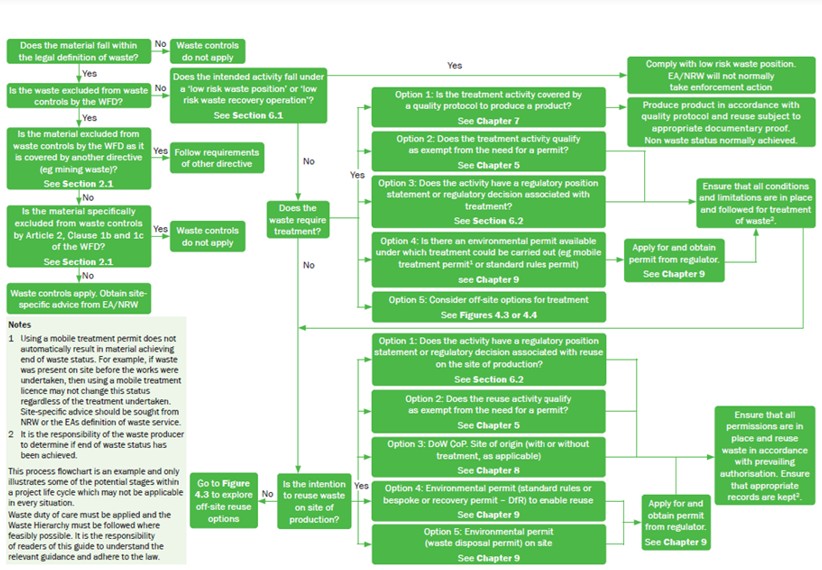
The development of a Conceptual Site Model (CSM) at an early stage is vital step on the way to a successful investigation. BS 10175:2026 employs the definition in BS EN ISO 21365 Soil quality – Conceptual site models for potentially contaminated sites. BS EN ISO 21365 emphasises that CSMs are “of the mind”, their dynamic nature including the need to continuously revise them as new information becomes available, and the need to produce different CSMs for different purposes as projects progress. It also emphasises the need to have regard to models developed for other purposes including the geotechnical ground model and the ecological and archaeological aspects of the site.

Further discursive accounts of BS 10175:2026 can be found at:

https://bit.ly/4qWRQJ8  and BS 10175 – Executive Briefing

Finally, thanks to all those who contributed to the revision BS10175. It would not have come to fruition without the efforts of BSI staff, the members of the drafting panel, and all those who found the time to comment on the Draft for Public Comment (DPC). The public comment stage is vital for the technically sound development of all British, European and International Standards.

[1] Greater London Council (GLC) – Materials Information Group, Development and Materials Bulletin (2nd series) No. 98, Aug/Sept 1976 –  “Some guidelines for the re‑use of industrially contaminated land.”

Or see:

Chapman W B, Baker P and Burns D, Some guidelines on the re-sue of industrially contaminated land, Journ. Assoc. Public Analysts, 1977, Vol 15, pp 1-25. [Paper to Symposium on Toxic Waste and Environmental Pollution, London, March1976].

Box 1: A few key definitions in BS10175:2026
Conceptual site modelB is defined as:

“synthesis of all information about a potentially contaminated site relevant to the task in hand with interpretation as necessary and recognition of uncertainties.”

ContaminationA is defined as:

“presence of a substance or agent, as a result of human activity, in, on or under land, which has the potential to cause harm or to cause pollution.”

Note that no judgement is made as to whether the presence of the contamination matters. This will depend upon the context, including what is present, how much is present and what are the actual or potential receptors (e.g. humans,  groundwater, etc.).

SoilA is defined as:

“topsoil and subsoils; deposits such as clays, silt, sand, gravel, cobbles, boulders and organic matter and deposits such as peat; material of human origin such as wastes; ground gas and moisture; and living organisms.”

Sources: A – BS10175:2011, B – BS EN ISO 21365:2020

Article provided by Mike Smith, Chair Technical Committee EH/4 Soil quality

Article Loss Prevention

Embracing AI in geo-engineering – the benefits and pitfalls

- by
Tags: Featured

It is safe to say that the age of Artificial Intelligence (AI) has arrived, whether wanted or not. It is probably unreasonable to avoid using AI as we look to the future. To many younger and upcoming professionals, AI is a ‘go to’ tool in the way a slide rule or log tables were to historical engineering pioneers. There are many opportunities to be had in the use of AI, but this is tempered by risks which need to be recognised and managed appropriately.

Within the geo-engineering industry, it is typically text based Large Language Models (LLMs) such as ChatGPT, or CoPilot that are most familiar. These are generative models and can be fine-tuned for specific tasks. They also acquire predictive power based on the data they are trained on. This data may or may not by accurate! There are other forms of AI being used in the industry, but with same pro’ s and con’s.

It is recognised that AI has the potential to be used to enable efficiencies in day-to-day processes. In simple terms, the ideal being that routine processes can be streamlined, freeing up time for innovative thinking and developing solutions. Such efficiencies may be achieved in, for example:

  • Reporting
  • Specifications
  • Meeting minutes
  • Correspondence
  • Presentations
  • Diagrams/ Drawings
  • Document management
  • Information searches
  • Data management/ analysis

As a result there has been an increase in reliance on AI in creating/ undertaking the above.  However, such benefits come with a ‘warning’.  All of the above still require ‘due care and diligence’ in the production process, without which Professional Indemnity insurance will likely be invalid….but what does reasonable ‘due care and diligence’ look like?  It also raises the question …At what point does the use of AI become a requirement of meeting the ‘due care and diligence’ obligation?

When a process relies on AI, it becomes even more essential that the appropriate due care and diligence is applied, as the liability for AI derived deliverables likely does not sit with the software or its originator, but more likely with the human individual/ organisation that adopts the AI output (although subject to testing through the Courts)…There is a significant risk in accepting AI generated output at face value, so what might appear to be a quick and simple solution could be a recipe for disaster if not properly managed and controlled.

If AI is to be adopted safely, as with all other processes, a quality system of checks and balances has to be in place in terms of accuracy and validity of the questions asked and the information retrieved. The more AI is relied upon, the more robust such quality checks have to be. As with all computer models..garbage in = garbage out.

Consideration is required of accuracy of the data used by the AI model, how that model has been trained and whether and how relevant are the data sources accessed, along with qualitative testing, repeat questioning and validation of results. The question must be asked… ‘Is this the right tool for the job?’

A possible solution may be amendment of standard forms of appointment to include specific clauses relating to the use of AI, by defining which AI tools are permitted for use and how their outputs must be verified. Furthermore, a clear allocation of liability is recommended for failures attributable to the AI tool, apportioning risk between the relevant project team parties and the Client.

There are also risks associated with confidentiality of data, both as a source and an output. What data is permitted to be input into models? Are there licensing and Intellectual Property issues associated with sharing of data? These must be considered.

A further consideration is that whilst there may be efficiencies in time/ resources, there is also an environmental impact from the use of AI models. The huge computing capacity required to power the AI models has a significant carbon footprint. For projects where carbon management and/or measurement is required, and may be a contractual requirement, the scope and scale of use of AI will need to be considered and included in carbon calculations.

(This article is based on the presentation given by Ben Gilson of Arup at the AGS Annual Conference 1/5/25 and “A Brave New Blueprint: The Legal and Contractual Quagmire” by Craig Roberts, Griffiths and Armour, 7/11/25).

Article provided by Jo Strange (AGS Honorary member)

Article Laboratories

6PPD-Quinone (6PPD-q) From Tyres to Streams: Ecotoxicology and Regulation in the United States, United Kingdom, and European Union

- by
Tags: Featured

6PPD-quinone (6PPD-q) is a transformation product of the tyre antiozonant 6PPD and has been identified as the primary cause of acute coho salmon mortality in urban streams, creating significant ecological and regulatory concern (Tian et al., 2020; Peter et al., 2021). Due to its higher polarity and mobility, 6PPD-q readily leaches from tyre wear particles (TWPs) into stormwater, producing episodic contamination pulses that are acutely toxic to sensitive salmonids and potentially harmful to other aquatic organisms (Brase et al., 2023; Kolodziej et al., 2023). Concentrations in urban runoff and receiving waters are typically reported from low to tens of ng/L, with first-flush storm events generating short-duration peaks (Rossi et al., 2022; Kolodziej et al., 2023). Reliable detection is achieved using LC-MS/MS methods supported by rigorous QA/QC procedures, including isotope-labelled internal standards and inter-laboratory comparisons (Seiwert et al., 2022; Peter et al., 2021).

Regulatory responses are developing internationally. In the United States, preliminary aquatic benchmarks and assessments under the Toxic Substances Control Act (TSCA) are guiding monitoring and risk management (US EPA, 2023; USGS, 2024). In the United Kingdom, 6PPD-q has been prioritised within national hazard screening and catchment-based water quality programmes (Environment Agency Chief Scientists Group, 2025), while within the European Union REACH Annex XV restriction dossiers are evaluating hazards, exposure, and alternatives, potentially leading to restrictions on 6PPD use in tyres (Seiwert et al., 2022; Rossi et al., 2022).

Mitigation approaches focus on both source control and environmental management, including chemical substitution of 6PPD, tyre reformulation to reduce additive release, and stormwater treatment systems designed to capture TWPs before discharge to surface waters (Wagner et al., 2018; Kolodziej et al., 2023). Although human exposure is currently considered lower than ecological exposure, occupational and environmental pathways remain plausible, and the reactive quinone structure suggests mechanisms involving oxidative stress and immunotoxin effects that require further investigation (Zhang et al., 2024; US EPA, 2023).

Key messages for regulators and industry

  • 6PPD-quinone is a mobile and acutely toxic transformation product strongly associated with stormwater-driven salmonid mortality and should be prioritised in environmental monitoring programmes.
  • Effective risk management requires harmonised LC-MS/MS monitoring methods and targeted sampling of first-flush runoff events to capture peak exposures.
  • Regulatory strategies should integrate precautionary source control, evaluation of safer alternatives, and stormwater mitigation while maintaining tyre performance and road safety.
  1. Introduction

6PPD is a critical antiozonant in tyres, preventing oxidative degradation and thereby supporting tyre longevity and road safety (Kolodziej et al., 2023). However, tyre wear particles (TWPs) represent a significant diffuse source of chemical contamination in urban environments. During storage, on-road use, and following deposition, 6PPD reacts with ozone to form 6PPD-quinone (6PPD-q) (Figure 1), a reactive and bioactive quinone that is readily transported in aquatic systems (Kolodziej et al., 2023; Seiwert et al., 2022).

Figure 1  6PPD reacts with ozone to form 6PPD-quinone (Image with permission from Zhenyu Tian, Barnett Institute, Northeastern University, USA)

Acute ecological effects were first documented in the Pacific Northwest, where episodic coho salmon mortality events were linked to stormwater exposures at concentrations as low as 40 ng/L (Tian et al., 2020). Subsequent studies have demonstrated broader risks, including sublethal physiological and behavioural effects in multiple salmonid species and potential impacts on benthic invertebrates (Brase et al., 2023; Peter et al., 2021). Continuous TWP deposition onto road surfaces and into drainage networks creates pseudo-persistence in urban watersheds, even when individual storm events are transient, underscoring the need for routine monitoring and proactive risk management (Rossi et al., 2022).

Globally, regulatory frameworks are evolving in response to this emerging evidence. In the United States, 6PPD and 6PPD-q are being evaluated under toxic substances control act (TSCA) and state-level programmes; in the United Kingdom, they are being integrated into catchment-based water quality and chemical management initiatives; and in the European Union, several Member States are preparing REACH Annex XV restriction dossiers (Seiwert et al., 2022). This review provides an integrated assessment of 6PPD-q’s environmental occurrence, fate, toxicology, regulatory context, and risk management options, with the aim of informing aligned strategies for researchers, regulators, and industry stakeholders.


  1. Chemical Properties, Environmental Fate, and Toxicology

6PPD-q is a quinone derivative with higher polarity and water solubility than 6PPD, enhancing its mobility in aquatic systems and facilitating leaching from tyre wear particles (TWPs) (Kolodziej et al., 2023). Laboratory studies demonstrate rapid 6PPD transformation under environmentally relevant ozone concentrations (Seiwert et al., 2022), and field investigations detect 6PPD-q in urban stormwater, runoff, and surface waters at low to tens of ng/L, with pronounced peaks during first-flush events (Rossi et al., 2022; Kolodziej et al., 2023). Continuous formation and input create pseudo-persistence at the catchment scale despite attenuation through photolysis, microbial degradation, and chemical transformation processes (Wagner et al., 2018). However, environmental half-lives remain poorly constrained and are likely to vary with light, temperature, and redox conditions.

6PPD-q is highly toxic to salmonids. Coho salmon exhibit acute mortality at 40–90 ng/L, while rainbow trout mortality occurs at 200–300 ng/L (Tian et al., 2020; USGS, 2024). Sublethal effects include behavioural alterations, oxidative stress, and impaired disease resistance (Brase et al., 2023; Peter et al., 2021). Laboratory assays further report cardiotoxicity, gill damage, and endocrine disruption at environmentally relevant concentrations, underscoring episodic runoff as a serious ecological threat (Wagner et al., 2018). Emerging evidence also suggests potential impacts on benthic invertebrates and broader food webs, although effect thresholds and community-level consequences remain uncertain (Kolodziej et al., 2023; Seiwert et al., 2022).

Human exposure, while lower than aquatic exposure, may occur via dermal contact, inhalation of airborne TWPs, or ingestion of contaminated drinking water, with occupational exposure in tyre manufacturing, maintenance, and recycling settings considered the most significant (Zhang et al., 2024). The electrophilic nature of quinone compounds implies plausible mechanisms for oxidative stress, immunotoxicity, and genotoxicity, but chronic, human-specific toxicological data are limited (Zhang et al., 2024; US EPA, 2023).

Overall, convergence of laboratory evidence, field observations of episodic salmonid mortality, and emerging data on ecological and potential human health impacts supports designation of 6PPD-q as a priority environmental contaminant (Tian et al., 2020; Brase et al., 2023; Peter et al., 2021; USGS, 2024).


  1. Regulatory Status: United States, United Kingdom, and European Union

6PPD-q has gained regulatory attention due to its acute aquatic toxicity, environmental occurrence, and linkage to high-profile salmon mortality events.

United States: The US EPA has initiated processes under TSCA, including an Advance Notice of Proposed Rulemaking to collect additional data on 6PPD and 6PPD-q (US EPA, 2023). Preliminary aquatic life benchmarks, such as an 11 ng/L screening value for coho salmon, are being used to inform state monitoring and risk screening (Tian et al., 2020; US EPA, 2023). California has designated 6PPD a Priority Product under the Safer Consumer Products programme, triggering alternatives assessment requirements. Washington and Oregon have implemented stream monitoring to characterise episodic mortality and evaluate management interventions (Brase et al., 2023; USGS, 2024). Standardised LC-MS/MS methods, robust QA/QC, and inter-laboratory comparisons underpin TSCA Section 6 evaluations and local mitigation strategies (Kolodziej et al., 2023; Peter et al., 2021).

United Kingdom: 6PPD is registered under UK REACH without specific 6PPD-q restrictions, but TWPs are prioritised under the Chemical Strategy and Plan for Water. The 2025 Environment Agency Chief Scientists Group report identified 6PPD-q as a high-priority substance based on its acute aquatic toxicity and prevalence in stormwater (Environment Agency Chief Scientists Group, 2025). UK monitoring and risk prioritisation emphasise a systems-based, catchment-level approach that integrates 6PPD-q with other stressors, focusing on hazard screening and risk reduction rather than immediate substance bans (Wagner et al., 2018; Peter et al., 2021).

European Union: 6PPD is registered under REACH, and several Member States are preparing Annex XV restriction dossiers that evaluate hazard, exposure, socio-economic impacts, and technically feasible alternatives (Seiwert et al., 2022; Rossi et al., 2022). These REACH processes involve multi-year scientific review and stakeholder consultation and may ultimately result in use restrictions, substitution requirements, or product-specific risk management measures for 6PPD in tyres.

Across all jurisdictions, common regulatory principles include reliance on empirical toxicity data, standardised monitoring, and harmonised LC-MS/MS methods to support evidence-based action (Kolodziej et al., 2023; Peter et al., 2021). Key distinctions are that the United States emphasises federal–state coordination and provisional screening values, the United Kingdom focuses on catchment-based integration within broader water management, and the European Union relies on multi-stage REACH restriction processes with strong socio-economic analysis components.


  1. Analytical Methods, Human Health Risk, Regulatory Outlook, and Mitigation Strategies

Accurate detection of 6PPD and its transformation product 6PPD-quinone (6PPD-q) is essential for environmental risk assessment and evaluation of mitigation measures. Monitoring must account for the episodic nature of contamination associated with urban stormwater runoff, particularly first-flush events. Accordingly, both grab sampling during storm peaks and time-weighted composite sampling are used to capture maximum concentrations and integrated exposure profiles (Kolodziej et al., 2023; Peter et al., 2021). Samples are typically collected in amber glass or polypropylene containers to minimise photodegradation and sorptive losses and stored at low temperatures to prevent artefactual oxidation during transport and storage (Seiwert et al., 2022).

Analytical determination of 6PPD-q is predominantly performed using liquid chromatography–tandem mass spectrometry (LC-MS/MS), which provides the sensitivity and selectivity required for complex environmental matrices. Water samples are generally filtered and concentrated using solid-phase extraction, while sediments and tyre wear particles require solvent-based extraction methods such as ultrasonic or accelerated solvent extraction. Reversed-phase separation with electrospray ionisation and multiple-reaction monitoring enables detection at low nanogram-per-litre levels, with isotope-labelled internal standards used to correct for matrix effects and extraction losses (Peter et al., 2021; Seiwert et al., 2022). Robust QA/QC procedures, including blanks, matrix spikes, duplicates, and inter-laboratory comparisons—are necessary to ensure reliable data (Wagner et al., 2018). In the UK, the Environment Agency has emphasised the need for harmonised analytical methods for tyre-derived contaminants to support regulatory prioritisation (Environment Agency Chief Scientists Group, 2025).

Although ecological toxicity currently dominates concern, potential human exposure pathways include inhalation of airborne tyre wear particles, dermal contact with tyre dust, and ingestion of contaminated drinking water, with occupational exposure representing the highest risk (Zhang et al., 2024; US EPA, 2023). Toxicological data remain limited, but the redox-active properties of quinones indicate potential mechanisms involving oxidative stress and protein adduct formation. This lack of chronic toxicity data introduces uncertainty in human health risk assessment and highlights the need for further targeted studies (Peter et al., 2021; Kolodziej et al., 2023).

Regulatory attention to 6PPD-q is increasing internationally. In the United States, ongoing TSCA evaluations may lead to reporting requirements or use restrictions (US EPA, 2023; USGS, 2024). In the United Kingdom, the Environment Agency’s Chief Scientists Group has prioritised 6PPD-q for monitoring and integration into catchment-based management frameworks (Environment Agency Chief Scientists Group, 2025). Within the European Union, potential REACH Annex XV restriction dossiers may result in use limitations or substitution requirements following regulatory review (Seiwert et al., 2022).

Mitigation strategies focus on both source control and environmental interception. Source-based measures include substitution of 6PPD with less hazardous antiozonants and tyre reformulation to reduce additive release (Kolodziej et al., 2023; Wagner et al., 2018). Downstream controls aim to capture tyre wear particles before they enter surface waters through stormwater management systems such as bioretention, sedimentation basins, constructed wetlands, and advanced filtration (Rossi et al., 2022; Seiwert et al., 2022). In the UK, catchment-scale approaches, including targeted road sweeping, green infrastructure, and runoff attenuation, are increasingly considered practical methods for reducing contaminant pulses during rainfall events (Environment Agency Chief Scientists Group, 2025).

  1. Conclusions

6PPD-q is an emerging contaminant of ecological concern due to its acute toxicity to salmonids and pseudo-persistence in urban stormwater systems (Tian et al., 2020; Brase et al., 2023; Kolodziej et al., 2023). Standardised analytical methods, particularly LC-MS/MS with rigorous QA/QC, are critical for reliable monitoring and risk assessment (Seiwert et al., 2022).

Regulatory frameworks are diverging yet convergent in principle: the United States is advancing TSCA evaluations and state-level screening benchmarks; the United Kingdom is prioritising catchment-based monitoring and systems-level integration; and the European Union is progressing via REACH Annex XV restriction dossiers (US EPA, 2023; Environment Agency Chief Scientists Group, 2025; Seiwert et al., 2022). Human exposure, while currently considered limited relative to ecological exposure, warrants precautionary management given mechanistic concerns and data gaps (Zhang et al., 2024).

Mitigation requires integrated strategies combining chemical substitution, tyre reformulation, stormwater treatment, and catchment-scale management. Coordinated international efforts that align monitoring, research, and regulatory action will be essential to safeguard aquatic ecosystems while maintaining tyre performance and the resilience of urban infrastructure.


References

Brase, L., Kolodziej, E.P., Wagner, S., Peter, K.T. and Rossi, L., 2023. Ecotoxicological impacts of 6PPD-quinone on salmonids and aquatic ecosystems. Environmental Toxicology and Chemistry, 42(7), pp.1560–1574.

Environment Agency Chief Scientists Group, 2025. Hazard Screening and UK Risk Prioritisation for Tyre Additives. Environment Agency, UK.

Kolodziej, E.P., Seiwert, B., Peter, K.T. and Wagner, S., 2023. Environmental fate, transformation, and monitoring of 6PPD-quinone in urban runoff. Science of the Total Environment, 872, p.162021.

Peter, K.T., Kolodziej, E.P., Brase, L. and Seiwert, B., 2021. Analytical and toxicological assessment of 6PPD-quinone in aquatic systems. Environmental Science & Technology, 55(14), pp.9823–9836.

Rossi, L., Wagner, S. and Kolodziej, E.P., 2022. Tyre wear particles as sources of 6PPD-quinone in urban watersheds. Water Research, 224, p.118781.

Seiwert, B., Kolodziej, E.P. and Peter, K.T., 2022. Analytical methods for 6PPD and 6PPD-quinone detection in environmental matrices. Journal of Chromatography A, 1672, p.462975.

Tian, Z., Bruijns, R., Peter, K.T. et al., 2020. A ubiquitous tire rubber-derived chemical induces acute mortality in coho salmon. Science, 371(6525), pp.185–189.

US Environmental Protection Agency (US EPA), 2023. Advance Notice of Proposed Rulemaking for 6PPD and Transformation Products under TSCA. US EPA, Washington, DC.

US Geological Survey (USGS), 2024. Monitoring and assessment of 6PPD-quinone in urban streams. USGS Scientific Investigations Report 2024–5074.

Wagner, S., Rossi, L. and Kolodziej, E.P., 2018. Mitigation strategies for tyre-derived contaminants in stormwater and receiving waters. Environmental Pollution, 241, pp.1138–1149.

Zhang, Y., Peter, K.T. and Kolodziej, E.P., 2024. Human exposure pathways and preliminary risk assessment of 6PPD-quinone. Journal of Exposure Science & Environmental Epidemiology, 34, pp.221–233.

Article provided by Ken Scally¹,2
¹Normec DETS and Latis Scientific Laboratories, UK, 2Mount Royal University, Calgary, Canada

Article Loss Prevention

Collateral Warranties and Third Party Reliance on Reports

- by
Tags: Featured

The AGS Loss Prevention Working Group undertook a survey of members in 2024 requesting comments on their recent and current commercial, contractual and legal issues which have affected their organisations in the previous 12 months.  17 comments were received which covered a variety of topics.  One of the most significant areas of concern for responding members related to third party reliance on reports and collateral warranties.

The main concerns were regarding the requests for rights to unlimited reliance letters or collateral warranties, the ability to charge for reliance letters and collateral warranties, and the lack of understanding clients have about what they are asking for and why it might not be acceptable.

Over the years the AGS has published a number of documents which are relevant to this issue, namely

Loss Prevention Guidance 011 – The Contract (Rights of Third Parties) Act (updated 2022),

Loss Prevention Guidance 024 – Collateral warranties (updated 2022),

Loss Prevention Alert 11 – Confusion about Assignments (2000) (updated 2026),

Loss Prevention Alert 45 – Assignment of Reports (2011) (updated 2026),

Loss Prevention Alert 68 – Duty of Care arising from Third Party Reliance on a geotechnical report (2018), and

Loss Prevention Alert 76 – Reliance on another company’s Report (2023).

The information in these documents can help AGS members navigate their way through the issues around collateral warranties and third party reliance, and to help them inform their clients about these issues.  This article summarises the main points in relation to AGS members’ concerns, but it is strongly recommended that members review the guidance mentioned above produced by the AGS LPWG.

How third parties can be given rights in a contract

  1. Under the Contract (Rights of Third Parties) Act 1999 any third party may enforce a contractual term in a contract if that contract expressly gives them the right to do so, or if the contractual term purports to confer a benefit on the third party. Further information on the Act is given in LPG 011.
  2. Another way rights (for example the benefit of a report, ie the right to rely on it) can be assigned to a third party is by formal assignment. Depending on the terms of the report author’s appointment, this assignment may, or may not, be subject to notification to the report author. See LPA 11 and LPA 45.
  3. A third way is by way of a letter of reliance. Reliance letters typically relate to named report(s) that the third party can rely on. See LPA 68 and LPA 76.
  4. A fourth way is by using collateral warranties, or duty of care agreements, which are contracts ancillary to an appointment or building contract. Collateral warranties relate to all the professional services and advice provided under the appointment, not only the formal reports issued as part of the services. LPG 024 explains collateral warranties.

Formal assignments, reliance letters and collateral warranties create direct contractual links between third parties (such as future occupiers of buildings and funders of projects) and the consultants or contractors with whom such third parties would ordinarily have no contractual link.

Considerations associated with giving third party rights

One should avoid providing third party rights without carefully considering the business risks and the commercial implications. There is a multiplication of these risks to the warrantor if numerous warranties (or ‘letters of reliance’) are given. There is also a considerable burden of administration in providing and keeping track of the warranties, and dealing with insurance.  The period of risk could be extended by the warranty.  The beneficiary of the warranty or reliance letter, or assignee under an assignment contract, may not be a party to the primary works contract, and indeed may have requirements and business attitudes different to the original client.  Attention should be paid to the proposed development and any changes that may have occurred to plans since your work.

The level of professional indemnity cover should be considered.  Losses suffered by the third party may be of a type and extent that the original client may not have suffered and may include substantial consequential losses, such as business interruption losses and so forth.  The rights acquired by the third party are valuable and include the right to sue if the report contains errors which cause them to suffer loss.  With multiple collateral warranties or third party reliance letters there could be multiple actions, cumulatively exceeding the level of professional indemnity insurance cover, and hence exposing the insured’s own financial resources.

As well as the level of PI cover, insurance policy wording may include specific conditions relating to third party reliance.  Members should ensure they carefully review any obligations to provide these prior to signing a contract, with careful consideration of how those obligations might interact with their insurance policy exclusions.

The AGS member should consider giving the third party a copy of the AGS Client Guide to Professional Indemnity Insurance which aims to assist clients to better understand PI insurance issues and the need for agreement with their advisors and designers on the most sensible allocation of financial risk.

The contract of assignment, reliance letter or collateral warranty must have more than a nominal value to those requesting them, as otherwise why would it be required?  AGS members should consider all aspects relating to the increase in risk associated with entering in to an assignment or warranty or issuing a letter of reliance, and look to making a realistic charge for doing so, particularly if requested after the primary contract has been signed.  LPA 45 gives some guidance on matters to consider when determining what to charge.

Article provided by David Hutchinson (AGS Honorary member)

Article Loss Prevention

Gender Specific Welfare & PPE – Does it matter?

- by
Tags: Featured

Welfare and PPE provision on engineering sites has been recognised as historically poor in general and often, specifically for women, non-existent.  In recent times this has certainly improved but is enough being done? Indeed, what is ‘enough’?

Laws such as the Personal Protective Equipment at Work Regulations 1992 and its 2022 amendment place a duty on every employer in Great Britain to ensure that suitable PPE is provided to employees who may be exposed to a risk to their health or safety while at work.  (See AGS Safety Guidance – Personal Protective Equipment (PPE) for more information on the types and use of PPE relating to the activities of AGS members.)

In addition, employers should be aware that they may be subject to contractual requirements relating to welfare of employees and site visitors. There may also be non-specific requirements relating to welfare of female workers, which fall under contractual obligations to demonstrate compliance with published company statements or policies. These policies may be documents published by the client and deemed to have been read and accepted, or policies submitted by contractors as part of pre-qualification or tender processes. Examples of these are Equality, Diversity and Inclusivity (EDI) type policies. It is important that the implications and requirements of such policies are identified and implemented, as non-compliance could be viewed as being in breach of contract and possibly leave contractors open to claims.

Traditional ‘one size fits all’ approaches are no longer likely to meet the legal and contractual requirements of projects. It is no longer acceptable to provide women with PPE designed for men. PPE designed to accommodate the specific shape of women is now readily available, which is much safer and comfortable for long term wear.  The provision of correctly sized PPE also promotes equality, inclusivity, and demonstrates respect and appreciation of female workers.

Provision of separate gender specific hygiene facilities, especially where the workforce is diverse and has a mix of ethnicities and cultures, is essential if equality and inclusivity objectives are to be met. In some cases, EDI policies require provision of female hygiene products, which can remove significant anxieties and lost work time for some women working on site. The details of such provisions need to be considered based on specific workforce needs, but it is recognised that a valued and supported workforce is also likely to be more content and productive as a result.

It is clear that welfare ‘equality and inclusivity’ done properly no longer simply consists of provision of a ladies’ toilet, and that there can be significant contractual and ethical drivers, as well as appreciable benefits to be had from a more robust consideration of gender specific welfare.

Article provided by Jo Strange (AGS Honorary member)

Article News Business Practice Contaminated Land Data Management Executive Geotechnical Instrumentation & Monitoring Laboratories Loss Prevention Safety Sustainability

AGS Awards 2026: Celebrating Outstanding Contributions in Geoscience

- by

Congratulations to the winners of the AGS Awards 2026, which recognise the exceptional dedication, expertise and commitment shown by members across our nine Working Groups.

Each year, our Working Group Leaders nominate individuals who have made significant contributions to the AGS and to the wider geotechnical and geoenvironmental community.

This year’s winners represent a broad range of specialisms across the industry, highlighting the valuable work undertaken by AGS members to advance best practice, share knowledge and support the continued development of the profession.

The following individuals were recognised for their outstanding contributions:

Business Practice Working Group Award

  • Award: David Hutchinson, AGS Honorary Member

Contaminated Land Working Group Award

  • Award: Mike Plimmer, Geotechnical & Environmental Associates
  • Commendation: Chris Evans, Socotec

Data Management Working Group Award

  • Award: Conrad Stewart, Harrison Group Environmental
  • Commendation: Mark Bevan, Structural Soils

Geotechnical Working Group Award

  • Award: Jai Shah, Ramboll
  • Commendation: Georgina Donbroski, RSK

Laboratories Working Group Award

  • Award: John Masters, Geolabs

Loss Prevention Working Group Award

  • Award: Kathryn Eva, Beale & Co
  • Commendation: Peter Plumpton, Socotec

Safety Working Group Award

  • Award: Madeleine Bardsley, WSP
  • Commendation: Will Capps, Lucion Group

Sustainability Working Group Award

  • Award: Natalie Cropp, Tony Gee and Partners
  • Commendation: Sarah Cook, Onyx Geo Consulting


Lifetime Achievement Awards

  • Jackie Bland, Structural Soils
  • Jonathan Gammon, Honorary Member

The AGS would like to congratulate all award recipients and commend them for their ongoing commitment and contributions to the Association. Their work continues to support the advancement of standards, collaboration and knowledge-sharing across the geotechnical and geoenvironmental sector.

Article Business Practice Contaminated Land Data Management Development Fund Executive Geotechnical Instrumentation & Monitoring Laboratories Loss Prevention Safety Sustainability

Early Careers Poster Competition 2026 – The Results!

- by

Thank you to everyone who entered this year’s AGS Early Careers Poster Competition, which followed the themed Top Five Industry Insights. We received 16 high-quality, full-colour submissions, each offering a unique and thoughtful interpretation of the brief.

Our judging panel, Vivien Dent (AGS Past Chair, Environment Agency), Jonathan Gammon (AGS Past Chair), Geraint Williams (AGS Chair Elect and HKA) and Bradley Falcus (Central Alliance), had the challenging task of selecting a winner from a strong field of entries. After careful consideration, they were delighted to announce Yasamin Bayley (Fairhurst) as the overall winner, who’s colour poster was created using collage.

Congratulations to Yasamin, who has been awarded a £100 Amazon voucher, complimentary entry to the sold-out AGS Annual Conference, and a double-page spread in AGS Magazine, showcasing her poster and the inspiration behind it.

We would also like to congratulate our ten runners-up: Pagen Spooner (EPG), Arun Woods (Sutcliffe), Daniel D Gbenro (United Utilities), James Tasker (Binnies UK), Jenny Farrant (Lithos Consulting), Joanna Wilks (Cowi UK), Kevin Perreau (BakerHicks), Sam Murray (Scottish Power Renewables), Visar Rugova (Cowi UK), and Zoe Guy (Crossfield Consulting). Each runner-up has received complimentary entry to the AGS Annual Conference in London on 19th March.

Thank you once again to all who took the time to participate. Every entry will be displayed at the AGS Annual Conference, where they will be viewed by over 240 delegates, a fitting showcase for the creativity and insight of our early career professionals.

Article

State of the Industry – Ground Investigation Survey 2026

- by
Tags: Featured

Where is the UK ground investigation industry now, and where is it heading next? Ten years on from the original Spotlight on the Industry survey, we’re inviting the industry to help shape an up-to-date picture.

This important survey is a joint initiative from Association of Geotechnical and Geoenvironmental Specialists, British Drilling Association, Federation of Piling Specialists, British Geotechnical Association and Engineering Group of the Geological Society.

The survey explores:
• Understanding and compliance with technical, health, safety and environmental standards
• Current and future challenges, including staffing, contracts and competence

It takes 15–20 minutes, all responses are confidential, and findings will be shared later this year. We welcome responses from across the industry. The more voices we hear, the stronger the insight.

The survey will close on Tuesday 31st March 2026.

Take part here: https://www.surveymonkey.com/r/G9SRQZP


Article

Inside SoilCloud – Q&A with Neil Chadwick

- by
Tags: Featured

Name: Neil Chadwick

Job Title: UK and Ireland representative for SoilCloud (marketing and technical).

What company do you work for and what areas do they specialise in?

SoilCloud, who provide web-based software and services for geotechnical data management, including the reporting and interpretation of ground investigation data, and its integration into design.

Where are your offices based?

SoilCloud are a French company with an office in Paris, but they serve clients from all over the world. As a provider of digital services, working remotely comes naturally. For example, I provide my input from the somewhat less cosmopolitan environs of Wokingham, Berkshire.

How many people does the company employ?

SoilCloud currently has about 10 staff, mainly working on software development. However, that does not include me as I am not technically a staff member. I provide my input on a consultancy basis, alongside other work that I take on under my Digital Geotechnical alter ego.

How long have you worked at the company, and what inspired you to join?

Officially, I have been working with SoilCloud for two years, although we have known each other for longer than that. Inspiration? As a long-time expert user of geotechnical database software I was often frustrated by what I had to work with. When the opportunity then arose to get involved with a new entrant to the UK market, with new technology and a fresh outlook, it was a no-brainer.

What does a typical day look like for you?

Variable and unpredictable! Communicating with and problem-solving for clients, demonstrations to potential new clients and providing technical advice to SoilCloud take up a good chunk of my time.

What project are you most proud to have been a part of?

Some of our client’s projects look very interesting but I am not at liberty to talk about those here. From a personal point of view, from my time at Arup, it would probably be the geotechnical work I led at Stratford City, a site with many unusual features. This project included large multi-phase ground investigations and design work for the Westfield shopping centre and London 2012 Athletes Village. It may have been a bit manic and stressful at the time, but I look back on it with a sense of pride. It also involved a lot of data management!

How important is sustainability within the company?

SoilCloud supports sustainability by providing a data management platform that will hopefully better inform our clients, so that they can make the best decisions for sustainability.

How does your company support graduates and early career professionals who are entering the industry?

Graduates and early career professionals are likely to encounter SoilCloud or similar very early in their career as data management is often delegated down (don’t get me started on that – to discuss another day perhaps). SoilCloud provides a modern technological platform which can be easily linked up with other digital processes. The new cohort of engineers and geologists are typically more IT-savvy than in the past and we would hope that they will be enthused by the digital opportunities presented, i.e. they see our industry as technologically forward-thinking.

What steps can companies make to improve the gender imbalance and diversity within their organisations?

From a personal point of view, for most of my career I was lucky enough to be part of a very diverse group, with a relatively healthy gender balance. However, I have had to deal with the reality of juggling career and raising a family. This may be easier than it was in the past, but it is still far from ideal. I think it would help a lot if we could all accept that it is perfectly ok for career progression to slow down a bit, for both for men and women, when other circumstances dictate. We should not be penalising each other for making the best life choices.

Why do you feel the work of the AGS is important to the industry?

Sharing of knowledge and the upholding of standards – both are critical – I shudder to think where our industry would be without the AGS.

With my data management hat on (I am a member of that working group), having spoken to many geotechnical data experts from around the world I can say with some confidence that the AGS data format can rightfully be described as ‘world leading’. Don’t take it for granted!


Article Sustainability

A Greenprint for Change: The AGS Sustainability Route Map

- by
Tags: Featured

Sustainability is shaping the future of construction and engineering, and the geotechnical and geoenvironmental sector is no exception. The AGS Sustainability Working Group was formed to help our industry take practical steps toward more sustainable outcomes. But before setting priorities, we needed to answer a fundamental question: what does sustainability mean for AGS members?

Understanding Sustainability

The UN Brundtland Commission defined sustainable development as meeting the needs of the present without compromising the ability of future generations to meet their own needs. This principle is often expressed through three pillars—environmental, social, and economic.

Scientific research adds urgency to this discussion. The Planetary Boundaries Framework identifies nine Earth systems that regulate the planet’s stability, from climate and biodiversity to freshwater use. Several of these boundaries have already been crossed, increasing the risk of irreversible environmental change. For AGS members, this is highly relevant—our work influences land use, water resources, and carbon emissions.

Global Goals, Local Action

In 2015, the United Nations launched the Sustainable Development Goals (SDGs)—17 objectives that address global challenges such as climate change, inequality, and resource use. To understand how these goals apply to our sector, the AGS Sustainability Working Group surveyed members in 2024.

The survey revealed clear priorities. Health and safety (SDG 3) topped the list, followed by SDG 12: Responsible Consumption and Production and SDG 13: Climate Action. Education (SDG 4) and gender equality (SDG 5) also ranked highly, reflecting the industry’s commitment to developing skills and promoting inclusion.

What Has AGS Already Done?

The analysis showed that AGS has been contributing to sustainability for some time. Examples include:

  • Guidance on PPE, occupational health, and mental well-being (SDG 3).
  • Articles on sustainable technologies such as timber piles (SDG 12).
  • Support for innovation through the AGS Development Fund (SDG 9).
  • Initiatives like mentoring and degree apprenticeships (SDGs 4 and 10).
  • Conferences addressing data use and carbon calculation (SDGs 11, 13, and 17).

The Route Map Forward

The survey also highlighted areas for greater focus. Members want more emphasis on clean energy (SDG 7), circular economy principles (SDG 12), climate action (SDG 13) and biodiversity (SDGs 14 and 15). In response, the Sustainability Working Group is:

  • Developing carbon literacy training.
  • Promoting resource circularity through foundation reuse and remediation.
  • Launching a Sustainability Charter to help members embed best practice.
  • Collaborating on industry-wide guidance, including the EFFC/DFI Climate Resilience and Adaptation Guide.

Reducing Climate-Related Risks: A Key Priority

Climate change is one of the most pressing challenges identified in the Route Map. AGS guidance now emphasises:

  • Understanding UK climate trends: hotter, drier summers; warmer, wetter winters; more frequent extreme weather; and sea level rise.
  • Using climate tools and data: Met Office UKCP18 projections, Climate Risk Indicators, EA climate impacts tool, and BGS GeoClimate resources.
  • Embedding climate risk assessment in PRA, DQRA, remediation design, and geotechnical planning.
  • Adapting to change: design out risk in new developments, retrofit existing assets, improve drainage and flood protection, and manage vegetation.
  • Planning for the future: assess for a 4°C rise by 2100 and plan for 2°C by 2050, as recommended by the Environment Agency.

Why does this matter? Because regulators require it, insurers expect it, and clients increasingly demand resilience. Beyond compliance, climate adaptation offers opportunities for innovation—nature-based solutions, low-carbon materials, and smarter design strategies.

Get Involved

Sustainability is a shared responsibility. Whether through case studies, technical notes, or participation in webinars and events, AGS members have an important role to play. Together, we can ensure our industry delivers projects that are not only technically sound but environmentally and socially responsible.

Information about the AGS Sustainability Charter can be found here.

Article provided by Vivien Dent

Article Geotechnical Sustainability

Building a Sustainable Future with Foundation Reuse

- by
Tags: Featured

The construction sector is under unprecedented pressure to slash embodied carbon, reduce waste, and deliver projects faster and more economically. One of the most powerful yet still under-used levers is the strategic reuse of existing foundations – both shallow pads and deep piles on redevelopment sites. Instead of treating substructures as single-use consumables, the industry can treat them as long-term underground “assets” capable of supporting multiple building lifecycles. This mindset shift aligns perfectly with circular-economy principles and is rapidly gaining traction with forward-thinking, sustainability conscious clients, planners, and insurers supported by the increasingly innovative construction sector.

Foundation reuse is not a new concept; architects in London were already re-occupying medieval masonry footings after the Great Fire of 1666. What is new is the combination of modern investigative technologies; high-resolution cone penetration testing (CPT), low-strain integrity testing, and distributed fibre-optic monitoring, alongside digital twins that capture historic performance data. These tools give engineers the confidence to quantify residual capacity, model future loading scenarios, and demonstrate compliance with contemporary codes and performance targets. The 2020 IStructE short guide and the ongoing RuFUS (Reuse of Foundations for Urban Sites) research show that with robust desk studies, targeted intrusive checks, and clever load-path design, most urban sites in the right circumstances can achieve partial or complete foundation reuse. [It is essential to assess foundation reuse within the broader context of the entire project, as in less favourable circumstances, reusing existing foundations may introduce constraints that could actually lead to increased carbon emissions elsewhere in the development].

The ability to unlock these gains still hinges on early engagement of geo-professionals. Too often, decisions about demolition and piling are made before a geotechnical engineer is invited to the table, resulting in unnecessary carbon, cost, and risk. Conversely, projects that embed ground specialists from RIBA Stage 0 routinely discover programme savings of several months, substantial reductions in embodied carbon, and enhanced lifecycle resilience. An evidence-based decision hierarchy (including no build options) i.e. reuse, augment, replace, mirrors the waste-reduction pyramid and provides a clear roadmap for clients.

This article explores four key dimensions of foundation reuse. First, the tangible benefits – environmental, financial, and programme-related, available for both shallow and deep foundations. Second, the alignment of reuse strategies with the UN Sustainable Development Goals (SDGs) and the UK’s PAS 2080 standard for carbon management in infrastructure. Third, common pitfalls if geotechnical engineers are not engaged early. Finally, we dedicate a discussion to best-practice guidance on insurance and warranty frameworks (and a brief insight to the Building Safety Act influence) which is an area that often makes or breaks Client appetite and board-level confidence.

By sharing research, project data, and lessons learned, we aim to equip readers with a practical playbook for turning foundation reuse from an exception into standard practice. The prize is compelling: quieter, cleaner construction sites; less congested ground for future generations; and significant cost savings without compromising safety or performance. In short, foundation reuse can, and should, become one of the cornerstones of a genuinely sustainable built environment.

The Benefits of Foundation Reuse

  1. Environmental dividends
    • Carbon and embodied energy: Reusing existing piles or pads eliminates the need for new concrete and steel, slashing embodied energy and CO₂. The RuFUS handbook quantifies reductions in fuel use, plant hours, and concrete volumes when piles are retained instead of replaced, directly lowering whole-life embodied energy and carbon [RuFUS,2006].
    • Noise, dust, and air-quality gains: Fewer piling rigs and spoil wagons translate into tangible improvements for neighbouring communities – an increasingly important factor under urban planning frameworks. In addition this translates to less waste including spoil/arisings to landfill.
    • Ground congestion: Every new pile you don’t install keeps the subsurface clear for future utilities, basements, and transport corridors, enhancing long-term urban resilience [RuFUS,2006].
  2. Programme acceleration
    • Demolition phase: Avoiding foundation removal and demolition shortens enabling works.
    • Construction phase: Re-use can shave weeks or months off the critical path; fewer rigs and less reinforcement curing time speed up superstructure hand-over.
    • Earlier revenue: For developers, reduced programme often outweighs pure construction cost savings when net present value is considered.
  3. Direct cost savings
    • Substructure capex: A 2004 case study presented in RuFUS showed investment costs dropping from £3.61 million for complete replacement to £2.38 million for full reuse with limited investigation -a 34 % saving [RuFUS,2006]. Recent developments post 2020 such as City Hall Retrofit and adaptive reuse of commercial buildings tend to show substructure capex savings in the order of 40 – 70% compared to full replacement.
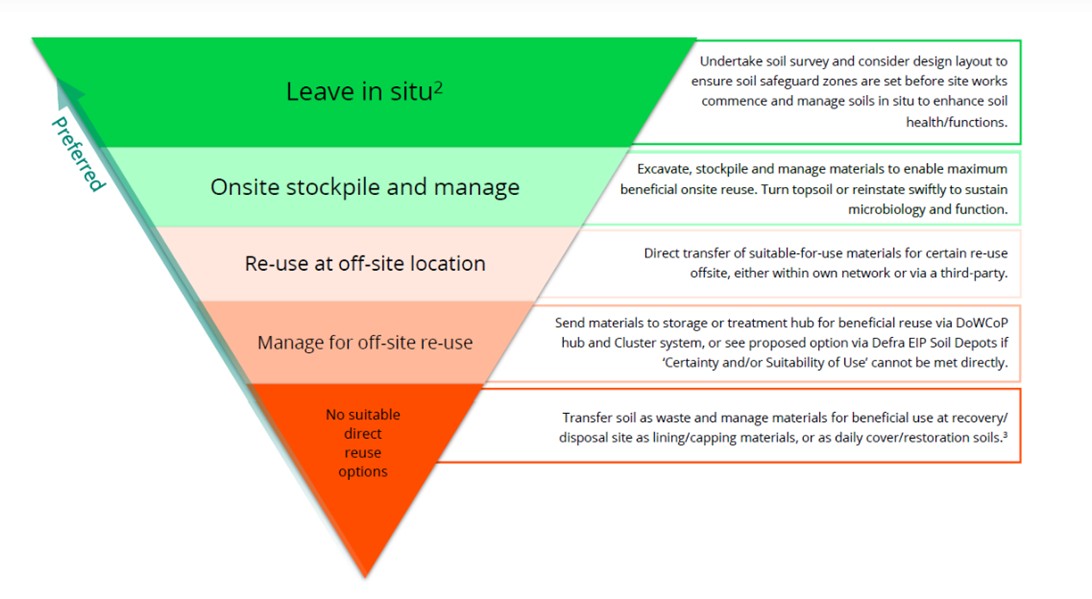
    • Reduced muck-away and raw-material procurement create additional OPEX benefits that persist over multiple building life-cycles. A particular advantage where potentially contaminated spoil needs to be disposed of.
  4. Risk management through data
    • Real-time monitoring and load-testing provide empirical confirmation of capacity. Embedding fibre-optic sensors during the initial build adds negligible cost yet provides decades of structural health data, de-risking future reuse scenarios.
    • Redundancy and flexible pile-group layouts create built-in contingency, allowing capacity downgrades or local strengthening instead of wholesale replacement [RuFUS,2006].
    • Increased data availability through modern data storage and retrieval backed by industry initiatives/requirements such as the CDM Regulations.
    • Increased availability of investigation techniques for validation/testing.
  5. Social licence to operate
    • Low-impact methods resonate with neighbouring occupiers, local authorities, and ESG-driven investors. Reusable foundations can become a visible sustainability “badge” in corporate reporting and planning submissions.
  6. Long-term asset value
    • An adaptable underground platform can host multiple generations of superstructures, providing developers with optionality akin to a brownfield land-bank. This enhances the exit value of real-estate portfolios, a point increasingly recognised by institutional investors.

While benefits are abundant, success hinges on robust investigation, detailed foundation assessment backed by engineering judgement where appropriate, and transparent stakeholder communication. These themes feed directly into insurance and warranty discussions explored later.


Linking Foundation Reuse to the UN SDGs and PAS 2080

The United Nations Sustainable Development Goals (SDGs) provide a universal blueprint for prosperity that respects planetary boundaries. Foundation reuse is a concrete way (quite literally) for the built-environment sector to operationalise several SDGs.

  1. SDG 11 (Sustainable Cities & Communities): Reusing foundations minimises construction disruption, preserves groundspace for future infrastructure, and accelerates urban regeneration, directly improving liveability.
  2. SDG 12 (Responsible Consumption & Production): By extending asset life and adopting a circular-economy approach, reuse slashes virgin-material demand and associated waste.
  3. SDG 13 (Climate Action): Embodied carbon reductions from avoiding new piling align squarely with climate-mitigation targets. RuFUS data indicate substantial CO₂ savings when partial or total reuse is adopted [RuFUS, 2006].
  4. SDG 9 (Industry, Innovation & Infrastructure): Employing state-of-the-art testing and monitoring technologies to validate residual capacity exemplifies innovation in resilient infrastructure.

PAS 2080, the world’s first specification for carbon management in infrastructure, offers a practical framework for turning SDG aspirations into trackable project outcomes. Key PAS 2080 principles echo foundation-reuse practice:

  1. Carbon hierarchy – “Build nothing, build less, build clever”: Reusing foundations simultaneously addresses “build nothing” and “build less.”
  2. Whole-life thinking: PAS 2080 stresses lifecycle carbon and cost; foundation reuse embeds residual capacity for future adaption, satisfying both.
  3. Collaborative value chain: Early involvement of designers, contractors, and insurers is essential to quantify and share carbon benefits; this is exactly the collaboration required for successful reuse.
  4. Continuous improvement: Data gathered from monitoring reused foundations feed back into better-calibrated design models, reducing uncertainty and driving future carbon reductions.

Quantification remains vital. Lifecycle Assessment (LCA) consistent with EN ISO 14040 series, can be combined with PAS 2080’s “baselining” requirement to produce clear carbon dashboards for clients and regulators. Those dashboards in turn underpin robust ESG reporting and can unlock green-financing incentives.

Policy momentum is accelerating. The UK’s Net Zero Strategy, forthcoming EU taxonomy rules, and many city-level embodied-carbon caps are converging on the need to re-think substructure design life. Specifying 100-year pile lifetimes and designing in redundancy/flexibility enables multiple building cycles without additional piles; this is an approach highlighted in RuFUS as “platform” thinking [RuFUS, 2006].

In essence, foundation reuse is a ready-made vehicle for delivering measurable progress towards SDGs while ticking every PAS 2080 box: lower embodied carbon, reduced capital cost, improved programme, and enhanced asset adaptability. The challenge is not technical feasibility; it is mainstream adoption driven by informed geotechnical leadership, including educating the property owners to curate and retain full substructure as-built and design records even after insurance retention periods.


Best Practice for Insurance and Warranty in Foundation Reuse

Insurance and warranty considerations often determine whether a client embraces or rejects foundation reuse. Perceived risk rather than technical reality can derail reuse proposals both early and more critically late in the design phase. Geo-consultants therefore need a clear playbook to help clients, brokers, and underwriters navigate latent-defect exposure. Influence of the Building Safety Act also need to be considered for foundation reuse.

  1. Understand the insurer’s worldview
    • Underwriters focus on “known unknowns.” Existing piles may hide corrosion, concrete degradation, or undocumented workmanship defects. A structured investigation hierarchy i.e. desk study, non-invasive testing, selective coring, translates these unknowns into quantified probabilities, a prerequisite for any specialist policy.
    • Demonstrate redundancy: RuFUS highlights that multiple piles under a cap significantly reduce failure probability compared with single large piles [RuFUS, 2006]. Designing or demonstrating redundancy can lower premiums.
  2. Select the right cover
    • Latent Defects Insurance (LDI): Common in the UK, providing 10–12-year cover for structural elements. LDI can be extended to existing foundations if supported by a condition survey and certification by a suitably qualified engineer.
    • Decennial insurance: In civil-law jurisdictions (e.g., France, Qatar), mandatory 10-year coverage can also apply to reused foundations, but only if risk is transparently mitigated and documented.
    • Project-specific Professional Indemnity (PI) top-up: Where reuse represents a novel risk profile, consultants may ring-fence additional PI limits for foundation design and certification.
  3. Navigating the Building Safety Act (BSA) 2022
    • The BSA reshapes liability in foundation reuse by extending duty holder responsibilities and broadening the scope of potential claims. On the positive side, the Act encourages more rigorous due diligence, which can strengthen confidence in reuse strategies and support sustainability goals. By requiring clearer accountability and longer limitation periods, it incentivises thorough geotechnical assessment and documentation, helping insurers and warranty providers to price risk more accurately and potentially reducing disputes down the line. With robust geotechnical assessments and clear documentation, reuse can reduce embodied carbon, accelerate programmes, and deliver cost efficiencies.
    • However, there are challenges…extended liability windows up to 15 years prospectively and 30 years retrospectively (for buildings completed before June 2022) mean that foundation reuse decision carry long-term exposure. Building Liability Orders (BLO’s) allow courts to extend liability to associated companies if the original company becomes insolvent. The longer limitation periods and broader liability provisions encourage a culture of transparency and thorough recordkeeping. For clients, this means that well-documented reuse strategies are more likely to gain insurer confidence and warranty support. The practical takeaway is to embrace the Act’s requirements as a chance to strengthen project credibility: commission independent verification, maintain digital records that prove compliance, and engage insurers early with clear evidence of safety. Framed this way, foundation reuse becomes a demonstrably safe and insurable one.
  4. Build a robust documentation trail
    • As-built records, load-test data, and monitoring results should be collated into a single digital foundation dossier, ideally aligned with ISO 19650-6:2025 BIM protocols. This requires owners to collate and securely store the full substructure database inclusive of deeds and insurance. Electronic management systems with robust metadata can ensure documents are discoverable via a secure central register. The owner must engage with managing and updating this information, which can be incentivised through selling data from organisational/owner change.
    • Certify residual capacity: A formal statement signed by a chartered geotechnical engineer, cross-checked by an independent checker, provides underwriters and funders with confidence.
  5. Define clear roles and liabilities
    • Contractual clarity: Who certifies the foundation? Who monitors performance during the new build? Who holds ongoing liability? Simple, unambiguous scopes avoid grey-area disputes.
    • Performance-based specifications: Rather than prescribing methods, define acceptable movement criteria (e.g., settlement < 15 mm) and factor-of-safety thresholds. Allow contractors flexibility to achieve them, while retaining designer oversight.
  6. Leverage monitoring for post-occupancy assurance
    • Embed fibre-optic or vibrating-wire strain gauges to track load redistribution and long-term performance. Streaming data to a secure cloud platform allows insurers real-time visibility, unlocking lower deductibles.
    • Trigger-level regimes: Pre-agreed intervention thresholds (e.g., uplift > 2 mm) linked to contingency plans reassure owner-occupiers and tenants.
  7. Educate the client and the market
    • Present comparative risk matrices: Full replacement is not risk-free (e.g., unforeseen obstructions, new pile defects). When quantified objectively, reuse often offers a similar or even lower residual risk at reduced carbon and cost.
    • Celebrate precedents: Publishing case studies with transparent performance data grows underwriter confidence sector-wide.
  8. Cost-benefit framing
    • Include avoided-carbon emission shadow pricing and programme gains when comparing insurance premiums. A modest premium uplift may be dwarfed by faster completion and ESG-linked finance incentives.

Conclusion and Next Steps

By integrating investigative due diligence, transparent documentation, smart monitoring and secure data storage, geotechnical consultants can translate technical certainty into insurable certainty. This shifts the conversation from “Why take the risk?” to “Why miss the opportunity?”—unlocking the full sustainability potential of foundation reuse and safeguarding all parties’ financial interests – all while aligning with modern safety expectations in accordance with the BSA 2022. To embed this approach into industry practice, there is a clear need to update and review the RuFUS best practice handbook and to educate Building Control that foundation reuse should be assessed on robust engineering evidence rather than the unwritten ‘10% rule’ for new loading. By reframing reuse decisions in this way, projects can achieve both regulatory confidence and insurer support, ensuring that sustainability gains are recognised as safe, credible, and commercially viable.

References:

Allford Hall Monaghan Morris (2020) White Collar Factory. Available at: https://www.ahmm.co.uk/projects/mixed-use/white-collar-factory/.

British Standards Institution (2020) BS EN ISO 14040:2006+A1:2020 Environmental management – Life cycle assessment – Principles and framework. London: BSI Standards Limited.

British Standards Institution (2023) PAS 2080:2023 Carbon Management in Buildings and Infrastructure – Specification. London: BSI Standards Limited.

Buro Happold et al. (2025) Battersea Power Station – Regeneration of an Icon. Proceedings of the Institution of Civil Engineers – Civil Engineering, 178(1), pp. 23–39. Available at: https://docs.burohappold.com/wp-content/uploads/sites/16/2025/02/jcien.24.00919.pdf.

Communities and Local Government (2006) RuFUS: A Best Practice Handbook – Re-using Foundations in Urban Sites. London: Communities and Local Government Publications.

Ground Engineering (2024) ‘Is the rising tide of foundation reuse in construction a sustainable future?’, Ground Engineering, 1 February. Available at: https://www.geplus.co.uk/opinion/is-the-rising-tide-of-foundation-reuse-in-construction-a-sustainable-future-01-02-2024/.

London Assembly (2024) Retrofit vs Rebuild: Reducing Carbon in the Built Environment. Available at: https://www.london.gov.uk/sites/default/files/2024-02/Retrofit%20vs%20Rebuild%20-%20Reducing%20Carbon%20report.pdf.

London Councils & Arup (2024) A Retrofit Delivery Model for London. Available at: https://www.londoncouncils.gov.uk/sites/default/files/2024-05/retrofit_delivery_plan_for_london_full_report.pdf.

New London Architecture (2025) Adaptive London: Retrofitting the Capital. Available at: https://nla.london/insights/adaptive-london-retrofitting-the-capital.

Pitcher, G. (2022) ‘Pile reuse: Building on past glories’, Ground Engineering, 14 November. Available at: https://www.geplus.co.uk/features/pile-reuse-building-on-past-glories-14-11-2022/.

Tayler, H. (2020) A short guide to reusing foundations. The Structural Engineer, November/December. London: Institution of Structural Engineers. Available at: www.istructe.org/IStructE/media/Public/TSE-Archive/2020/A-short-guide-to-reusing-foundations.pdf.

UK Government (2022) Building Safety Act 2022. London: The Stationery Office. Available at: https://www.legislation.gov.uk/ukpga/2022/30/contents.

Article provided by Jai Shah MEng CEng MICE, Associate, Ramboll

Image provided by Ramboll.


Article Business Practice

Shaping Tomorrow: Building an Inclusive Future for Geotechnical and Geoenvironmental Engineering

- by
Tags: Featured

Engineering has always been a cornerstone of progress, shaping the infrastructure and systems that underpin modern life. Yet, for all its innovation, the sector has historically lagged in embracing equality, diversity, and inclusion (EDI). While strides have been made across the broader engineering and built environment industries, geotechnical and geoenvironmental engineering remain among the least diverse disciplines. This article serves as an opportunity to highlight the current standing of our industry and consider the AGS’s next steps to supporting a more inclusive future.

For decades, engineering was synonymous with male-dominated workplaces. Women entered the profession during wartime out of necessity, only to see their participation decline in peacetime. People of colour, ethnic minorities and individuals with disabilities faced even greater barriers, often excluded from education and employment opportunities. Geotechnical engineering and geoenvironmental science, which emerged as specialist fields in the mid-20th century, inherited these exclusionary norms. Site-based work, often in remote or harsh conditions, reinforced a culture that was difficult for women and minority groups to penetrate. Legislative milestones such as the UK Equality Act and diversity targets introduced by professional bodies like the Institution of Civil Engineers (ICE) and the Geological Society marked turning points, but cultural change has been slow.

Today, the picture is mixed. Across UK engineering, women represent approximately 16 percent of the workforce, according to EngineeringUK. In geotechnical roles, estimates are closer to 10–12 percent, with even lower representation in site-based positions. Ethnic minorities and disabled engineers remain significantly underrepresented. By comparison, civil engineering has achieved slightly better gender diversity, partly due to broader project roles that allow for office-based flexibility. Digital engineering and technology-driven sectors lead the way, benefiting from remote work models that make inclusion easier. Geoenvironmental roles offer unique opportunities because of their sustainability focus, which attracts climate-conscious graduates. However, retention remains a challenge, as many leave due to cultural barriers and lack of career progression. The truth of the matter is that there is limited data available for the geotechnical and geoenvironmental sector, we have a gap in data for the industry which makes it difficult to benchmark against other engineering practices.

The geotechnical and geoenvironmental engineering disciplines are central to solving some of society’s most pressing challenges, from stabilising infrastructure in flood-prone areas to remediating contaminated land and designing climate-resilient foundations. Diverse teams bring fresh perspectives to these complex problems, fostering innovation and resilience. Beyond innovation, there is a strong business case. Inclusive firms outperform their peers in safety, stakeholder trust, and talent retention. In a sector where projects often impact vulnerable communities, diversity is not just a moral imperative; it is essential for equitable outcomes.

Despite the benefits that a diverse workforce offers, significant blockers remain. Physical demands and site culture are among the most cited challenges. Harsh conditions, long travel times, and inflexible schedules deter individuals and those with caring responsibilities. The pipeline problem persists, with few students specialising in geotechnical engineering compared to structural or environmental disciplines. Perception plays a role too: these fields are often seen as “traditional” and less tech-driven, limiting their appeal to younger, diverse talent. Practical issues such as inadequate site facilities and poorly fitting personal protective equipment (PPE) compound the problem. Unconscious bias in recruitment and promotion continues to favour familiar profiles, perpetuating a cycle of exclusion. The gender pay gap still exists.

To accelerate progress, the sector must adopt a multi-faceted approach. Inclusive site practices, such as gender-inclusive facilities and PPE designed for all body types, are essential. Flexible work models, leveraging digital geotechnics and hybrid site visits, can make roles more accessible. Mentorship programs and visible role models are critical for inspiring the next generation. Education outreach must start early, with diverse ambassadors promoting these disciplines in schools and universities. The correct financial reimbursement for the roles people undertake making our jobs more competitive and appealing. Finally, leadership accountability is non-negotiable. Diversity targets should be tied to performance metrics, ensuring that inclusion is embedded in organisational culture rather than treated as a box-ticking exercise.

Throughout 2026 and into the future, the AGS and partners across and outside of the industry will take a closer look at these benefits and challenges, mapping the path toward a more inclusive sector with hopefully, key points for you to consider and put into action. We will target our industry to shine a spotlight on good practice and highlight key gaps in our progression. If you have a story or insight to share, we’d love to hear from you, please contact the AGS and let us know.

The future holds promise. Sustainability can serve as a magnet for diverse talent, positioning geoscience roles as careers for those passionate about climate action. Advancements in technology opens avenues for a more inclusive environment. Global collaboration will be key, as sharing best practices across regions accelerates progress. Lessons from the wider engineering and built environment sectors show that change is possible with commitment and creativity. The challenge now is to turn good intentions into lasting impact.

Article provided by Bradley Falcus (Principal Administrator, Central Alliance Pre Construction Services Ltd)