Article Geotechnical

Bitesize Guide – Geotechnical unit, Ground models and Geotechnical Design Models– what are these, what do they cover and who is responsible?

- by
Tags: Featured

Introduction

This note has been prepared based on a review of the draft prEN 1997 dated August 2022.

Geotechnical Unit

A geotechnical unit is defined in prEN 1997-1 as a ‘volume of ground that is defined as a single material’. Ground can be soil, fill or rock existing in place before any construction works, each with its own hydraulic conductivity.

A unit will have a description and classification based on designation of material parameters and identification of the data used in the selection of representation values of ground properties.

These units are normally identified prior to the start of the ground investigation as part of the initial desk study, site inspection and preliminary investigation (prEN 1997-2, 5.2.2 to 5.2.4). These are required as part of the planning of the design investigation (5.25) and develop as the project cycle evolves. The ground investigation should identify strength, stiffness, anisotropy and geometrical variation of the units.

Normal UK practice would give responsibility for these initial works either to the Specialist Ground Investigation Contractor, or sometimes to a Geotechnical Consultant appointed at an early stage in the Project.

Ground model

The concept of the Ground Model is familiar to all practitioners site specific outline of the disposition and character of the ground and groundwater based on the results of ground investigations and other available data. These conditions will have an influence on the site (and this may also need to include the recognition of potential ground conditions and sources outside the site boundary), on the design itself, and finally the construction of the project.

The draft prEN 1997-2, 4.1 states that a Ground Model shall comprise the geological, hydrogeological and geotechnical conditions of the site as determined by the ground investigation, and is one of the main outputs to be included in the Ground Investigation Report (GIR). The Ground Model also forms the basis for development of Geotechnical Design Model [GDM] for each geotechnical design situation and each geotechnical structure (prEN 1997-1, 4.2.3).

As an example, the Ground Model should consider, but not be limited to, the geomorphology of the site, geometrical and geotechnical properties of the geotechnical units, but also discontinuities and weathered zones. The Ground Model shall state the variability and level of uncertainly of the conditions and properties alongside derived values from relevant ground properties of all geotechnical units encountered.

Without the Ground Model, the GIR would not be able to identify the derived values of the geotechnical units.

As the Ground Model is one of the principal outputs from the initial desk study, site inspection, preliminary or design investigations and is to be included in the GIR, development of the Ground Model is usually the responsibility of the Specialist Ground Investigation Contractor, or is sometimes passed to a Geotechnical Consultant appointed at an early stage in the Project.

The draft prEN 1997-2 states the Ground Model shall be developed and updated as new potential information is made available. Without the ground model, a GDM cannot be developed and validated. Any changes to the ground model shall be documented in the Geotechnical Design Report (GDR). Updating the Ground Model at this stage may therefore fall to the Geotechnical Designer rather than the original Specialist Ground Investigation Contractor.

Geotechnical Design Model

The GDM is a conceptual representation of the site derived from the ground model for the verification of each appropriate design situation and limit state. It is based on the Ground Model which has verified against the variability and uncertainty of the ground conditions.

The GDM should include, but is not limited too

  • tabulation or graphical cross sections of the geotechnical units
  • representative values of ground properties for all the geotechnical units encountered in the zone of influence.
  • inclusion of groundwater table
  • and the process of compiling the GDM.

The GDM should also consider the

  • variations of groundwater in all directions within each geotechnical unit. There may be occasions where groundwater pressures may be classified as accidental actions, as detailed in prEN 1997-1, 6.1.
  • identification of any spatial trends

Normal practice in the UK is that the development of individual GDMs would be the responsibility of the Geotechnical Specialist appointed to design each geotechnical structure for the appropriate geotechnical design situation and then included in the GDR. On most projects, there may be multiple GDRs often prepared by different designers. Guidance on the content of the GDR is given in prEN 1997-3. The individual GDRs may be collated into a single Project GDR.

The reliability of the GDM must be validated using the guidance given in prEN 1997-1, Table 4.6 for the appropriately selected Geotechnical Category [GC]. The GC would have been selected as part of the GIR. Table 4.6 has been reproduced as follows:

The validation process should also review the quantity, quality and appropriateness of the information taken from the GIR.  This is done to determine sufficient confidence in the GDM to ensure the level of reliability required by prEN 1990 is obtained, and additionally, that the measures taken to validate the GDM according to the GC are adequate. If neither condition is met, or there is insufficient confidence in the level of reliability then additional ground investigation shall be performed.

The GDM is reported in the GDR for each geotechnical design situation and for each geotechnical structure. Guidance on the content of the GDR is given in prEN 1997-3.

The AGS Geotechnical WG are preparing a number of other Bitesize Guides covering various Second-Generation EC7 topics, and if anyone has a burning desire to say something, get in touch with Katie, Alex Dent or Chris Raison via ags@ags.org.uk.

Guide produced by Emma Cronin, SOCOTEC.


Article Geotechnical

AGS Bitesize Guides – Introduction – prEN 1997:202x

- by
Tags: Featured

The second-generation of Eurocodes is proposed as the first major revision of the Eurocode suite of standards since original publication in 2004. This process has been underway for at least 10 years. Initially this comprised a series of Evolution Groups, set up by all the major National Standards Bodies [including BSI], tasked with reviewing the first-generation Eurocodes and identifying area where improvements, clarification, simplification, and harmonisation could be applied to improve the documents. Proposals were then passed to Task Groups for updating and preparing new drafts. The final process was a series of reviews by both the public and by the National Standards Bodies themselves [in UK by the BSI Committee B/526].

The Structural Eurocodes are a series of interlocking standards that interact as a whole and require designers to have access to and understand many different codes which link to yet more material, execution, and testing codes. The draft prEN 1997 is a work in progress and currently comprises three parts as follows:

prEN 1997-1:202x         Eurocode 7: Geotechnical design — Part 1: General rules

prEN 1997-2:202x         Eurocode 7: Geotechnical design — Part 2: Ground properties

prEN 1997-3:202x         Eurocode 7: Geotechnical design — Part 3: Geotechnical structures

prEN 1997 in turn is dependent on the over-arching Eurocode EN 1990, now titled ‘Basis of Structural and Geotechnical Design’. EN 1990 is an integral part of design to prEN 1997. BS EN 1990:2023 was published by BSI in August 2023.

Details of the timeline for final completion and publication of prEN 1997 has been given by Andrew Bond [chair of B/526 and past-chair of TC250/SC7] in a recent article published in Ground Engineering [November 2023 pp30-32]. Some topics were covered by the recent AGS webinar [September 2023] and parallel webinars held by NEN [Nederlands Normalisatie Instituut], acting as Secretariat for the revisions to prEN 1997.

Because of the imminent publication date and the large number of new topics, revisions to layout and structure and introduction of some new concepts, the AGS Geotechnical Working Group thought it timely to issue a series of Bitesize Guides covering prEN 1997. These are intended to introduce topics selected from the current drafts and to give personal views and understanding of the requirements gleaned from the code as actually written. It is believed that review and comments from representative members of the target audience rather than knowledgeable experts closely involved in the development will help to identify areas of ambiguity or lack of clarity. Finally, the publication of bitesize guides will hopefully generate some discussion and dialogue from other members of AGS.

The bitesize guides can be downloaded from the AGS website here.

Article provided by Chris Raison, Raison Foster Associates

Article Business Practice Contaminated Land Data Management Executive Geotechnical Instrumentation & Monitoring Laboratories Loss Prevention Safety Sustainability

Early Career Professionals: Call for Posters

- by

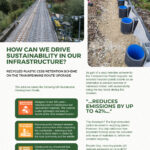
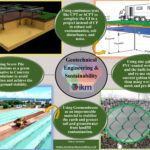
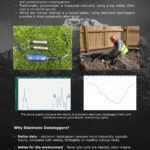
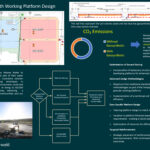
The AGS is holding a sustainability-themed poster competition at this year’s Annual Conference, and we’d like to see how Early Career Professionals are applying sustainable practices in the workplace.

Whether it’s applying SuRF UK’s sustainable management practices, using mobile data capture, using ethically sourced PPE, we’d like to see your ideas and practices for how you’re improving sustainability.

The poster should be colourful, eye-catching and aim to inspire businesses to become more sustainable. Submissions can cover any of the 17 UN Sustainable Development Goals: https://sdgs.un.org/goals

The winner will receive a Selfridges hamper worth £85, free entry to this year’s Annual Conference on 25th April in London, plus have their poster printed in AGS Magazine which reaches over 6,000 industry professionals 6 times a year.

All posters submitted will be displayed at the Annual Conference.


ENTRY INFORMATION

Posters should be submitted in a high resolution, A4 format and can be created in any means, from drawing by hand, utilising photography, to computer-generated artwork. 

Please note that all submitted posters will be printed and displayed at the AGS Annual Conference.

To enter, please email your poster alongside your full name and company to Caroline Kratz at ags@ags.org.uk with the subject title ‘AGS Poster Competition’. The deadline for entries is Friday 5th April at 9pm.


ABOUT THE AGS ANNUAL CONFERENCE

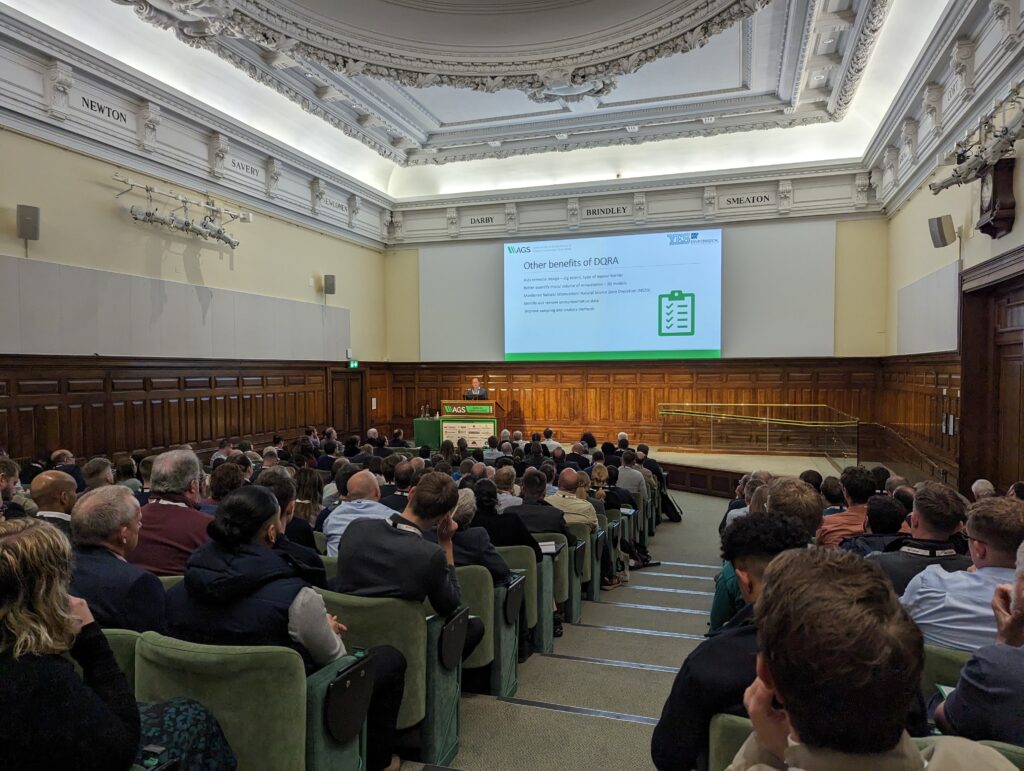
The Annual Conference is the flagship event in the AGS’ calendar. Taking place on 25th April 2024 at One Great George Street in London, the event will see over 200 geotechnical and geoenvironmental professionals in attendance.

This year’s Annual Conference has an overarching theme of sustainability and the AGS will be donating a percentage of profits made to Projects for Nature, an initiative which aims to restore nature recovery in the UK.

For further information and to register click HERE or email ags@ags.org.uk

News Data Management

New version of AGS Piling released

- by
Tags: Featured

A new draft of AGS Piling has been released for industry comment.

AGS Piling is a data transfer format for piling data which includes design schedule information, the construction record, as built information and pile test data. It is being developed by the Association of Geotechnical and Geoenvironmental Specialists (AGS) in collaboration with the Federation of Piling Specialists (FPS), with support from the Deep Foundations Institute (DFI).

The latest draft (version 0.4.0) is based on industry feedback received as part of a recent HS2 innovation project. In addition, it also trials a new approach to both the schema design and the file format itself. This is in response to the experience gained with AGSi, the relatively new transfer format for ground models and interpretative data. The documentation for the previous version of AGS Piling remains available to facilitate comparison between the different approaches.

Documentation for the both the new and previous versions is available on the AGS website.

A working group has been formed to continue the development of AGS Piling towards a formal release. This operates as a specialist subgroup of the AGS Data Management Working Group but includes representatives from the FPS and piling specialists.

The working group is keen to receive feedback on the draft, or any thoughts on the general concept of AGS Piling. Information how to get in touch is given on the AGS website.

News

AGS Magazine: November 2023

- by
Tags: Featured

The Association of Geotechnical and Geoenvironmental Specialists is pleased to announce the November 2023 issue of their publication; AGS Magazine. To view the magazine click here.

This free, publication focuses on geotechnics, engineering geology and geoenvironmental engineering as well as the work and achievements of the AGS.

There are a number of excellent articles in this issue including;
AGS Photography Competition 2023 – The Results – Page 6
AGS Annual Conference Details – Page 8
Some insights into the geotechnical implications of pyrite and its consideration and management – Page 16
Unconscious bias in recruitment – Page 24
Assessing the possible Sustainability Benefits of using Instruments and monitoring on site – Page 26
Inside: HUESKER – Page 30

Plus much, much more!

Advertising opportunities are available within future issues of the publication. To view rates and opportunities please view our media pack by clicking HERE.

If you have a news story, article, case study or event which you’d like to tell our editorial team about please email ags@ags.org.uk. Articles should act as opinion pieces and not directly advertise a company. Please note that the publication of editorial and advertising content is subject to the discretion of the editorial board.

Article

INSIDE HUESKER

- by
Tags: Featured

Name: Dave Woods

Job title: Technical Manager

Company name: Huesker Ltd

What does the company do and what areas does it specialise in?

Manufacturer and designer of geosynthetics.

Where is HUESKER located?

UK office in Warrington, production facilities in Germany, USA & Brazil

How many people does the company employ?

10 UK employees, 600+ globally

How long have you worked at HUESKER?

Approaching 4 years

What is your career background, and what enticed you to work for HUESKER?

Civil / Geotechnical Engineer with 30 years of experience in UK, Asia and Europe. Geosynthetics have always been a major area of interest and expertise for me, and Huesker were a company whose materials I had known and worked with over my entire career from my very first project widening the M25 motorway.

What is your current role within HUESKER and what does a typical day entail?

Technical support for sales and design of the company products, advice on site installation, business development, external training through CPDs, conference papers and presentations, university lectures etc and representation of the company and industry on industry and technical committees. No two days are alike.

What are the company’s core values?

Imagination, Progressiveness, Excellence, Attractiveness & Reliability.

Are there any projects or achievements which HUESKER are particularly proud to have been a part of?

We are proud of all our projects from small retaining walls and foundations to huge infrastructure schemes. Most recently the development and implementation of geogrid with integrated fibre optic cables to monitor ground movement and warn of sink holes prior to failure on HS2 and the development of active composite textiles which treat contaminants within soils in situ rather than condemning them to landfills.

How important is sustainability within the company?

Sustainability is at the core of all we do. Our products offer up to 85% reductions in embodied carbon content versus conventional construction methods whilst we continue to lead the market with advances in the use of post-consumer recycled materials in our products and increasing use of renewable energy in our production facilities.

How does HUESKER support graduates and early career professionals who are entering the industry?

Where possible we offer external lectures to students at undergrad and postgrad level within universities globally. We seek to employ the very best young engineers and through continuous internal training, mentoring and the sponsorship of Masters and PhDs seek to advance the careers of our employees to reach their full potential.

How has COVID-19 impacted HUESKER today? Are there any policies which were made during the pandemic that have been kept to improve employee wellbeing and productivity?

Options for remote working and flexibility of working hours were always part of Huesker’s working practices, but during and post Covid, these options were made available to more staff members. The increased use of video conferencing has reduced both in house and external face to face meetings helping to improve sustainability and increasing productivity whilst introducing more regular global meetings and training sessions to better share individual knowledge.

Why do you feel the AGS is important to the industry?

The AGS is a valuable source of information and networking opportunities within the geotechnical field through in person events, webinars and published guidance.

What are HUESKER’s future ambitions?

To continue to innovate within the geosynthetics field with an aim to improving the sustainability, safety and economy of geotechnical projects whilst providing solutions to both existing problems and questions which are yet to be asked.

Article Instrumentation & Monitoring Sustainability

Assessing the Possible Sustainability Benefits of using Instruments and Monitoring on Site

- by
Tags: Featured

Overview

The AGS has asked each of its working groups to discuss sustainability issues at their meetings and the Instrumentation and Monitoring Working Group is no exception. From the Group’s perspective there are obvious sustainability, cost, time and carbon benefits in not having to go to site regularly to monitor Geotechnical or Geoenvironmental parameters. Instead, remote monitoring equipment can be installed, and the data downloaded periodically or streamed in real time to your office computer.

Such a philosophy is also very much in keeping with the AGS data management philosophy – require input of data only once and get the most appropriate person (ideally the producer) to do it.

Unfortunately, many practitioners have had bad experiences with continuous remote monitoring, which can be tricky to establish, maintain and interpret effectively without sufficient experience. Regulators may also not accept on-site analysis of data without prior approval (difficult to obtain with current regulatory response delays), significant oversight and complementary analysis.

There remains a seeming lack of understanding on the part of some practitioners and regulators as to what can be done these days with remote monitoring, the range of equipment that is available and what guidance is available for the use of that equipment (usually precious little and out of date…). The skill lies in the ability to determine exactly what to do and what equipment to use for any particular project, depending on one’s perspective, competence and defined sustainability goals.

Sustainability

In terms of sustainable development, the Brundtland report (UN Report of the World Commission on Environment and Development: Our Common Future, 1987) defines sustainable development as ‘development that meets the needs of the present without compromising the ability of future generations to meet their own needs’.

Sustainability is the combination of several different considerations including environmental, economic and social factors, which can sometimes be even more important than simply reducing carbon. Offsetting is a commonly misused word in the context of sustainability as it rarely is in practice and most people will only come across it in relation to carbon footprints, credits and the fuel in the plane that takes you on holiday.

In fact, the basic concept underlying sustainability is that it is best achieved using a process involving quantification of a combination of potentially related factors from each of the identified key areas as expressed for example in UN sustainability guidance.

This process lead methodology and approach is absolutely key to determining and calculating the positive and/or negative elements identified and quantified to achieve the “best” result – for a given value of “best”.

There have been several attempts to undertake sustainability calculations by both AGS members and others, and several more attempts are currently in the process of being determined, tested and calculated, including at least one for UK regulators. This is in part a response to the engineering sustainability initiatives being developed within the development/building industry at the request of groups like ICE.

However, this is far from a simple task in practice, especially when one starts including considerations of total life cycle carbon, recycling and waste elements, which are very difficult aspects to attach precise and accurate quantifications to.

Process

So, how does one actually go about proving or justifying the use of on-site methods, equipment, analysis, remote monitoring and costs against more traditional methods such as laboratory analysis?  One of the easier ways to at least start the process is to determine the benefit primarily on the basis of cost, especially as the carbon intensive travel to site element is becoming ever more expensive.

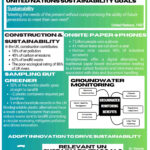
For example, six gas monitoring visits (minimum recommended by CIRIA document C665 ‘Assessing risks posed by hazardous ground gases to buildings’ for residential low risk) may cost in the order of £3,000 and 1.2 tonnes carbon dioxide emissions.

Compare this with a remote continuous monitoring system at two visits (one to install and one remove) over a week of falling low pressure continuous monitoring at a total cost in the order of £2,200 and 0.2 tonnes carbon dioxide emissions.

Issues Identified

However, if the regulator treats the CIRIA C665 requirements (for example) as strict requirements and not as guidance, they may not accept the possibility of remote monitoring data and conclusions as continuous monitoring for gasses largely postdates the original publication of that guidance.

This could increase the costs beyond that for the proposed six visits. This is where the socio-legal aspect of the sustainability calculation comes in, along with our professional duty of care to our clients, and perhaps explains why this is not taken up as much as it could and should be, to improve the sustainability of the industry when using newer technologies and alternative, but equally valid and proven methodologies.

Conclusions

As a regulated industry, we can fail on sustainability when it comes to presentation, guidance and especially the regulation itself, which is often many years behind the current realities of what can now be achieved on site.

We hope that this article will provide an initial spur to tackling some of the issues raised by the working group and that with the help of its members and others, the AGS can produce influential and informative guidance to practitioners, clients and UK regulators regarding the options available, new ways and examples of how to achieve regulatory compliance, and how remote monitoring and analysis can contribute to the overall sustainability of our Client’s projects and the industry as a whole.

Whilst in fact the determination process can be fairly simple (at least in theory), to determine what is probably the best, greater or more sustainable method of undertaking current site tasks and analysis, it may not be attainable using a method currently accepted by the appropriate UK regulator or society.

The Instrumentation & Monitoring Working Group will be exploring this topic further and will aim to provide additional case studies and examples of how this can be successfully achieved in practice. If any AGS members have relevant examples, case studies and critiques on any of the above or related topics then please send them to the group via the AGS Secretariat and thanks for listening.

Article provided by Chris Swainston on behalf of the AGS I&MWG

Article Business Practice

Unconscious bias in recruitment

- by
Tags: Featured

Whether we think so or not – we are all biased. Decisions we make about people are impacted by our unconscious bias without us even being aware of it. This can have consequences when we are recruiting people into the workplace as well as in appraisals, training and development, networking and mentoring.

Things we notice about a person when we meet them for the first time include their skin colour, age, gender and disability. Our experiences and influences (such as family, peers, media, education) lead us to unconsciously group people into categories which form the basis of stereotypes*, which can lead to prejudice and discrimination. Once we acknowledge our bias, we can take action to reduce its influence.

There are several types of unconscious bias which can strongly influence who we recruit. A couple of examples include:

Affinity bias: where you unconsciously favour someone because you share similar interests, backgrounds and experiences. We feel more comfortable around people who are like us.

Confirmatory bias: where we look for evidence / information that confirms our beliefs and values and we ignore evidence that disproves them.

When it comes to recruitment, examples of how our unconscious bias could influence our decisions include:

  • Employing someone who is not the most qualified;
  • Not recruiting people with differing views;
  • Following ‘status quo’ as a ‘safe’ option;
  • Not asking someone to interview due to a name not sounding ‘English’;
  • Not recruiting someone because they are not a good ‘cultural’ fit;
  • Assuming that a mother won’t be able to commit enough time to work;
  • Assuming an older worker will not be open to learning new skills.

If we want to create an inclusive environment where everyone can flourish, we must address unconscious bias.

There are a number of ways to reduce unconscious bias in recruitment:

  1. Define the job role;
  2. Redact information on the application form / CV that identify key characteristics of a person such as age, gender, ethnicity. This will remove unconscious bias while short listing potential candidates.
  3. Have a diverse hiring / interview panel.

Even by following these steps, it is unlikely that we will be completely unbiased.

Unconscious bias can sometimes be difficult to self-identify and to assist with that there is a test called the Implicit Association Test (IAT). The IAT measures the strength of associations between different groups of people and your immediate thoughts and unconscious stereotypes about those groups of people. The test’s purpose is to specifically highlight bias, this does mean that you may be confronted with some results that you may find upsetting or do not agree with; however, it can be a great method to understand your unconscious attitudes and beliefs.

You can take part in the anonymous test or learn more about it here: https://implicit.harvard.edu/implicit/takeatest.html

*Stereotype: a fixed idea or image that many people have of a particular type of person or thing, but which is often not true in reality and may cause hurt and offence

Prepared on behalf of the Business Practice Working Group by Vivien Dent (Groundwater and Land Quality Technical Specialist, Green Growth and Delivery, Environment Agency) and Bradley Falcus (Senior Geo-Environmental Administrator, Central Alliance Pre-Construction Services Ltd)

Article

Some insights into the geotechnical implications of pyrite and its consideration and management

- by
Tags: Featured

The assessment of ground aggressivity and suitability of construction materials are fundamental aspects of geotechnics. Ground hosted sulfide and sulfate minerals are known to produce unwelcome implications for ground engineering. Confidence in selection of the most appropriate form of construction and mitigation methodology, must be based on the results of meaningful site-specific material characterisation and assessment of performance in the likely construction environment. It is apparent that many ground engineering practitioners do not fully appreciate that certain rocks and soils are liable to contain sulfur species that may negatively impact ground engineering projects. In practice assessment procedures are often followed without a clear understanding of the issues and how to best manage them. This approach is not always suitable for managing the extensive variability encountered in the UK. Furthermore, an appreciation of how the construction activities may bring about undesirable changes are necessary for design of appropriate mitigation and long-term management. This short article discusses some of the issues that may occur, particularly where pyrite is concerned and considers how these characteristics and associated risks may be managed.

Causes of construction groundwork damage brought about through physical deterioration of ground and engineering materials are attributed to a wide range of factors that involve physical, chemical, and biological processes. In the UK a high proportion of such occurrences in the engineering environment result from the presence of sulfate ions in groundwater, brought about through dissolution or reaction of sulfur compounds. Pyrite and gypsum are the most commonly occurring sulfur compounds likely to be encountered during construction works.  In certain locations, the source of the sulfate ions is clearly through dissolution of evaporitic deposits, but in many cases, covering a much wider geographical area, these are derived from the oxidation of iron sulfide minerals, particularly pyrite. Pyrite, and the other infrequent iron sulfide minerals are unstable in oxidising and damp atmospheric conditions typical of the construction environment and will rapidly weather, producing insoluble orange-brown hydrous iron oxide, with release of hydrogen (H+) and sulfate (SO42-) ions into solution as mobile sulfuric acid. This has a significant negative impact for ground engineering when reaction occurs consequent of ground disturbance, creating conditions that are aggressive to ground material including buried steel and concrete and, in some cases, raising sulfate to harmful levels.

Reaction of the sulfuric acid with other calcareous minerals such as calcite or concrete, give rise to selenite-gypsum as discrete crystals, and this involves expansion. The replacement of pyrite and calcite by selenite involves a volume increase of around 103%, developing ground stresses and causing differential heave due to indiscriminate crystal growth. This chemical alteration is frequently accompanied by rapid deterioration in engineering properties of the host material and the volumetric gain often causes disturbance in filled ground, and failures of foundations, earthworks, underground excavations, tunnels, and slopes. Observations have also documented abiotic pyrite oxidation where the pH of pore fluids was around pH >12, indicating that this reaction mechanism can also occur when pyrite bearing ground is treated using lime and cement.

The oxidation of pyrite is complex, it occurs through various reaction stages, at different rates, which conclude in a range of products. Ultimately reaction depends on various aspects including the crystalline form and grain size of the pyrite, the mineralogy and fabric of the host, and environmental conditions, including the exposure to weathering brought about by the engineering work. To manage any negative impacts to design and construction, the possibility of changes promoting the potential for pyrite oxidation during and after construction needs to be considered.

Sulfur is an abundant element in the Earth’s crust and occurs in geological materials of all ages and origins, in a variety of forms. Sulfur is highly reactive and readily combines with most non-noble elements, particularly under reducing conditions, to form metallic sulfides of which the iron form, pyrite (FeS2) is the most widely occurring, along with its less common dimorph marcasite (FeS2), and occasional pyrrhotite (Fe1-xS where x = 0 – 0.2). Gypsum tends to be the most widely occurring sulfate mineral and is frequently encountered during ground works. Gypsum occurs as a primary accumulation in evaporite deposits such as the Mercia Mudstone Group and forms through evaporation of saline waterbodies. But it is more widely occurring as the crystalline ‘selenite’ form, which tends to develop as a ‘secondary’ product of contemporary weathering action on pyrite in the presence of calcite. The oxidation of pyrite will also give rise to high concentrations of sulfate ions which are mobilised by groundwater. Not all forms of sulfur are troublesome in engineering situations, although this depends upon the environmental conditions. Some recalcitrant mineral sulfates, such as barytes, celestine, and organic sulfur are relatively stable in weathering environments, and do not contribute to the sulfur present in groundwaters, unless conditions are unusual, so they are unlikely to impact significantly in construction and geo-material applications. Therefore, knowledge of the likely occurrence and attributes may help to manage potentially adverse conditions that could occur during and after construction.

Pyrite is remarkably widespread in its occurrence and is found as a minor constituent in a wide range of naturally occurring materials. It occurs in rocks and engineering soils, ranging from ancient sediments to Recent deposits, igneous and metamorphic rocks and hydrothermally deposited mineral veins. Pyrite occurs as diverse forms including variously shaped grains, nodules, and well-formed crystals, ranging from microscopic to several cm across; the morphology of pyrite has an influence on its potential for atmospheric oxidation. Therefore, its appraisal may help to determine its potential reactivity and the suitability of pyrite bearing ground and geomaterials for particular applications.

The different forms of pyrite and their combinations all share the same internal arrangement of iron and sulfur atoms but conditions during formation affect the crystal form. Well-crystallised pyrite occurs in the brass-yellow macroscopic form as large masses, veins or as large discrete often striated cubic, octahedral or pyritohedral crystals a few millimetres to a few centimetres in dimension and are commonly referred to as the ’non-reactive’ form of pyrite.  Typically, these are found in rocks that are well indurated and / or have been subjected to moderate to high-temperatures and pressures.  These well-crystallised forms of pyrite have a densely packed structure and relatively small specific surface area such that they tend to respond slowly in weathering environments. Macroscopic forms of pyrite occur extensively in igneous and metamorphic rocks and some hard-rock limestones, sometimes in substantial concentrations distributed through the host and tend to be relatively stable in construction environments.  These deposits are widely worked in the UK for construction aggregates in which slow oxidation or combination with cementitious binders may lead to problematic chemical reactions. In less-well indurated sedimentary rocks, pyrite may occur as visible nodules or smooth faced crystals, but more typically, it takes the form of disseminated microscopic framboids that are very difficult to recognise.

The microscopic framboidal form of pyrite is of greatest concern to ground engineering. Framboidal pyrite tends to form in sedimentary environments under anoxic reducing conditions through microbial activity where it remains stable, but when exposed to oxidising and damp atmospheric conditions it may rapidly deteriorate with consequentially detrimental effects.  It is commonly found in dark coloured (grey and dark grey), fine-grained sedimentary deposits including clays, mudstones, argillaceous limestones, siltstones, sandstones, and low-temperature hydrothermal deposits. The microscopic reactive forms of pyrite may also occur in newly formed sediments, including marine sands and gravels and river flood plain deposits, which are widely used as construction aggregates. Framboids are raspberry-like spherules, typically 2 – 80 μm diameter, comprising of ordered agglomerations of microcrystalline pyrite grains that are themselves <0.3 – 2 μm in diameter. They occur as disseminated spherules, clusters, or dark greenish-grey coloured concentrations along partings. The framboidal structure results in grains with a large surface area in proportion to their volume, making them highly susceptible to oxidation in an oxygen and water bearing atmosphere and oxygenated water.  This reaction may be mediated and greatly accelerated by microbial intervention from bacteria such as the ubiquitous Acidithiobacillus sp., which rely on electron transfer between Fe2+/Fe3+ for their metabolic process and this functions as a key mechanism in the oxidation reaction. In the ground engineering discipline, this form of pyrite is often referred to as the ‘reactive’ form of pyrite.

It is cautioned that the allusion to the visible form of pyrite as ‘non-reactive’ is not strictly true, the well-crystalline macroscopic forms of pyrite are still susceptible to oxidation following exposure, but depending on their surface condition, reaction generally will occur over a much slower timescale and may not be considered significant where construction is concerned, although it may be expedited where physical damage occurs to the crystals and through reaction of less stable forms. Therefore, potential reactivity must be assessed, with judgement also relying on previous experience of that material.

In the UK, framboidal pyrite is widely found in the dark coloured deposits of marine and fluvial origins of Carboniferous, Jurassic, Cretaceous and Eocene age. These account for a large part of the near-surface stratigraphy that contains many major urban centres. Through weathering, sulfate minerals can be present at shallow depth, whereas sulfide minerals may predominate at greater depths where oxidation has not occurred. Weathering involves physical and chemical changes to the natural material as it adjusts to different overburden pressures and the presence of atmospheric gases.  The change in pressure results in development of fissures and joints which facilitate the movement of oxygenated groundwaters. Water movement promotes chemical adjustments including hydration, dissolution and alteration of certain minerals and the formation of other minerals.  The distribution of sulfate varies within the weathered zone, with the top few metres having negligible amounts due to removal by rain leaching, but elevated levels may be present at the base of the root zone at around 2 to 3 metres depth, decreasing towards the base of the weathered zone, and this is identified by presence of brown staining on fissure and bedding surfaces, and presence of selenite. The weathering state is revealed by the colour changes of the iron forms present. In weathered horizons, the orange-brown colour of ferric iron predominates, whereas with depth the grey colour of ferrous iron represents less weathered lithology and indicates an increase in the presence of unreacted sulfide minerals.

Although British, European, and other standards promote good practice in carrying out investigations, potential problems are often not adequately anticipated and catered for. Historically the Building Research Establishment have provided guidance for routine UK assessment of potential ground aggressivity based upon water and acid soluble sulfate content and acidity of soil and groundwater samples. This worked well for many decades with few instances of sulfate attack on buried concrete reported.  However, following investigation on several cases of sulfate attack on construction materials and disruptive ground heave during the 1980s-1990’s, it was realised that the consequences of pyrite oxidation were not being considered and had been attributed to various other assumptions. Precipitation of new minerals such as gypsum provoke possibilities of ground heave. As the process of dissolution and precipitation will not generally occur in the same location, both expansion and void creation may produce differential movements and heave causing structural damage. This necessitated revision of testing standards, and guidance advocating a staged approach based on initial review of the geological setting, followed by a planned investigation programme and detailed ground assessment. This requires an awareness of potentially aggressive material and importance of focused chemical testing. The severity of pyrite oxidation depends not only on the crystal form but also on the permeability and chemistry of the host deposits as well as the groundwater conditions. The site investigation may confirm the presence of significant quantities of pyrite, gypsum, and calcite but these values alone do not facilitate assessments of the reaction rate and significance to construction. Assessment also requires that the consequences of the construction activity and weather-related issues in the construction period and beyond are fully addressed to provide an adequate basis for the design of structures.

The consequences of pyrite reaction may become a significant hit for the construction budget and progress when unsuspected. The oxidation of pyrite bearing deposits during earthworks and construction has been observed to progress rapidly over a matter of weeks or months, producing conditions chemically aggressive to engineering materials. Therefore, to avoid or manage potential problems attributed to pyrite oxidation it is necessary to know not just that it is present, but also its distribution, its form and reactivity. Investigations and construction may overlook the potential for material deterioration, but this can be determined at a site level through observation of changes following exposure and targeted chemical testing. The distribution of sulfur compounds in soils and rocks can be highly variable so testing must ensure that sulfur-bearing horizons are not missed, and a suitable characteristic value selected for design. Material selected for laboratory testing should focus on the construction zone but also evaluate other strata that may be affected.

Knowledge of the mechanical behaviour of the host material and the changes brought about through exposure during construction may expedite management of the construction process by facilitating re-use of a favourably weathered product that would otherwise constitute an unsuitable material. Ultimately, management of material avoiding costly offsite disposal, may be achieved through informed investigation with pre-weathering of pyritic fill to mitigate the risk of heave through conversion of pyrite to selenite or by blending, encapsulation, or provision of targeted drainage and impermeable barriers.

Article provided by Mourice A. Czerewko, Associate Engineering Geologist, AECOM Ltd

Article

AGS Photography Competition 2023 – The Results

- by
Tags: Featured

In March 2023, the AGS launched their fourth photography competition.

Members of the AGS Executive and Business Practice Working Group including Vivien Dent, Sally Hudson, Jo Strange, Bradley Falcus and Steve Hodgetts took on the challenging task to judge the images by scoring across the following criteria;

  • Originality
  • Composition
  • Colour, Lighting, Exposure and Focus
  • Overall Impression, Impact and Visual Appeal

Four images were shortlisted, and we’re pleased to announce that Shannon Wade of Strata Geotechnics was the overall winner of the competition and won a luxury Fortnum and Mason Hamper.

Our three runners up, who each won a bottle of Champagne are Shannon Wade (Strata Geotechnics), Matthew Cook (Environmental Protection Strategies Ltd) and Aaron Stokoe (Brownfield Solutions Ltd).

The AGS would like to thank all those who took the time to enter the competition.

WINNING IMAGE

Shannon Wade, Strata Geotechnics

Image description: Truly highlights the highs and lows of rural GI. An additional scheme of work for The Coal Authority at the site of the Esgair Mwyn, Metal Mine near Pontrhydfendigaid to again improve water quality and prevent it leaching through metal mine spoil. The weather had been foul for days with limited shelter, our team worked their hardest in the conditions to get the works done safely and on time and were rewarded by a little bit of sunshine and a glorious rainbow.

FIRST RUNNER UP

Shannon Wade, Strata Geotechnics

Image description: Working nights with our Comacchio 305 on the M1 Southbound, J35 for National Highways undertaking works to inform design for addition PRS lay-bys on our existing Smart Motorways network.

SECOND RUNNER UP

Matthew Cook, Environmental Protection Strategies Ltd

Image description: The drilling of windowless sample boreholes at an RAF site in Cambridgeshire with RAF jets in the background, boreholes were being drilled to to provide information for use in improvements to site.

THIRD RUNNER UP

Aaron Stokoe, Brownfield Solutions Ltd

Article

Second Generation Eurocode EN 1997: Where are We and Where are We Going? Webinar summary

- by
Tags: Featured

On 20th September 2023, the AGS held a webinar entitled Second Generation Eurocode EN 1997: Where are We and Where are We Going?. The webinar was chaired by Chris Raison (Director at Raison Foster Associates) and included presentations from Dr Andrew Bond (Director at Geocentrix), Matthew Baldwin (Independent Consultant) and Stuart Hardy (Technical Leader – Geotechnical at Laing O’Rourke).

The webinar was split into two parts, the first part which was presented by Andrew Bond focused on preparing for the Second Generation Eurocodes and gave a clear timeline for publication. Andrew also provided information about Second Generation Eurocode EN 1997: Geotechnical design – Part 1: General Rules.

In the second half of the webinar, Matthew Baldwin presented on Second Generation Eurocode EN 1997: Geotechnical design – Part 2: Ground Properties, explaining the changed content and layout of this part of the standard.

Stuart Hardy provided an overview of Second Generation Eurocode EN 1997: Geotechnical design – Part 3: Geotechnical Structures and covered the changes which have been made to the clauses and what has not changed from current UK practice.

If you missed the webinar, the recording is now live on the AGS website and is free for AGS members and £30 for non-members (Ex. VAT).

News

AGS Magazine: September 2023

- by
Tags: Featured

The Association of Geotechnical and Geoenvironmental Specialists is pleased to announce the September 2023 issue of their publication; AGS Magazine. To view the magazine click here.

This free, publication focuses on geotechnics, engineering geology and geoenvironmental engineering as well as the work and achievements of the AGS.

There are a number of excellent articles in this issue including;

Use of chemical preservation – the importance of quality in sampling and analysis – Page 16
Surface Emission Surveys – Page 21
Mitigating the risk of asbestos when using vacuum excavators in made ground – Page 24
Inside: Geosense – Page 28
Q&A: Bradley Falcus – Page 32

Plus much, much more!

Advertising opportunities are available within future issues of the publication. To view rates and opportunities please view our media pack by clicking HERE.

If you have a news story, article, case study or event which you’d like to tell our editorial team about please email ags@ags.org.uk. Articles should act as opinion pieces and not directly advertise a company. Please note that the publication of editorial and advertising content is subject to the discretion of the editorial board.