Article

Raising the profile of InterEngineering and supporting the LGBTQ+ community

- by
Tags: Featured

Article by Fiona Connor (Technical Associate, Hydrock now Stantec and Co-Chair of InterEngineering)

Originally, it was more luck than judgement that I found myself working in ground engineering, but I quickly realised when, fortunately, my graduate employer took a chance on my slightly atypical CV that it was the sector where I wanted to advance my career. I realised my passion is ground engineering. I’m fascinated by soil mechanics, earthworks and how geotechnical testing can best represent in situ conditions. I’ve worked hard in my career to excel and understand the intricacies of our complex field. However, starting off as a Geography graduate with a penchant for colouring in (A-level art, not physics!) with no engineering or even geology background, I’ve had to learn fast, learn a lot, and prove myself capable – as on paper I might not have been considered your ‘ideal graduate’

Back in 2014, I not only started my first graduate site role in geotechnical engineering, but I also reached a place of self-assurance with my sexuality and started dating women – specifically, my now partner. I soon reached the point of feeling I needed to come out to my colleagues, but I had no reference as to what that might be like, how to navigate this in a professional environment, and an environment where, at times, I already felt quite isolated.

Working as a graduate for a contracting firm in the ground engineering sector meant I was pretty much on a new site each week, sometimes with colleagues, mostly with subcontractors and agency staff, and regularly on general construction sites. I loved my job, but I’d already had to navigate and be resilient to an unacceptable amount of sexism. As a young female in a predominantly male dominated environment, in order to be seen and respected professionally, and to avoid sexism, the last thing that seemed like a good idea was to exacerbate my difference by opening up about being queer. Drawing attention to my sexuality, which, as a lesbian, tends to embolden some men to sexualise women, didn’t seem wise.

Fortunately, after some googling, I came across InterEngineering, a network for LGBTQ+ engineers. In 2016, I decided to attend one of their networking events. This allowed me to meet other LGBTQ+ engineers and feel a sense of community. It was valuable to hear I wasn’t alone in my experiences, to hear from people who were out at work in engineering with positive experiences, and hear how people had navigated more challenging environments was invaluable. It was the first time that I truly understood the importance of visible role models and community. I’m honestly unsure if I’d have stayed in the industry and been as assured of my place if it had it not been for the continual support and camaraderie provided by InterEngineering, and for other networks such as Bold As Brass.

InterEngineering is one of a wider group of networks within engineering, Networks – EqualEngineers which offer community and resource for a wide range of underrepresented groups.

What InterEngineering does:

  • Run summits and conferences, workshops and training, and webinars on various topics covering LGBTQ+ DEI.​
  • Participate in pride events, such as Pride in London, Birmingham and Manchester Prides, smaller, local pride events and UK Black Pride.​
  • Promote best practice through our library of publications and resources, and our workshops, webinars and speaking events.​
  • Work with a range of large organisations and SMEs, Professional Engineering Institutions, Academies, and other bodies such as the House of Commons.​

InterEngineering supports LGBTQ+ engineers informs allies by providing:

  • An aim to connect, inform, and empower LGBTQIA+ Engineers and supporters with our cross-discipline network across the UK.​
  • A safe space for engineers from organisations without internal ERGs or those not as advanced on their DEI journey.​
  • Resources on LGBTQ+ DEI to help promote good practice in Engineering.​
  • Opportunities to work, network, develop, and connect with LGBTQIA+ engineers and associated products, including mentoring opportunities.
  • An online community hub/network on the platform Circle. (https://bit.ly/EEInterEngineeringNetwork ).

Our rights and safety as LGBTQIA+ people are fundamentally hinged on political decision-making, with global powers hugely influential on the protection of anti-discrimination laws and policies.

Ten years ago, the UK seemed an optimistic place to be out and proud, with positive prospects of equal rights for the LGBTQIA+ community. It wasn’t perfect, but we were heading in the right direction. Same sex marriage had recently become law in England, Scotland and Wales. In ILGA-Europe’s 2015 review of LGBTI rights, the UK received the highest score in Europe, with 86% progress toward “respect of human rights and full equality” for LGBT people and 92% in Scotland alone.

By 2023, the UK had fallen to 17th place. When we look globally, we can see how easily hard-won rights can be revoked. The USA has significantly revoked Trans+ rights and LGBT+ education and support in schools, and fears of regression of many other areas of LGBTQ+ rights remain. Here in the UK, as I’m writing this article, a supreme court ruling has ruled against supporting trans+, non-binary and intersex rights and protections. Just this month, both Hungary and Georgia’s governments have moved to revoke LGBT+ rights. Trinidad and Tobago have also recriminalized gay sex – a move that will likely have wider implications across the Caribbean.

Once you’ve come out, there’s no going back. My visible profile of LGBTQ+ identity means I’d be cautious about travelling and working in regions where LGBTQ+ rights aren’t supported, with 65 nations still criminalising our community with lengthily jail sentences. At least 6 of these implement the death penalty – Iran, Northern Nigeria, Saudi Arabia, Somalia and Yemen – and the death penalty is a legal possibility in Afghanistan, Brunei, Mauritania, Pakistan, Qatar, UAE and Uganda. 14 nations also criminalise the gender identity and/or expression of transgender people.

The construction and engineering industries are tough. It is often stressful, people typically work long hours and spend time away from family, friends and loved ones. Colleagues and camaraderie play a big part of people’s coping mechanisms and resilience. Also, it’s important to consider that it might not be that your colleague who is LGBTQ+, it might be a partner, family member or friend. Ensuring colleagues feel comfortable to talk about LGBTQ+ identities with you can be incredibly valuable.

The Royal Academy of Engineering survey in 2023 suggests over a third of the workforce have witnessed LGBTQ+ discrimination in engineering, and that figure can rise to 100% when specifically considering the trans+ community. Within the workplace in general, one in ten Black, Asian and minority ethnic LGBT employees have been physically attacked by customers or colleagues in the last year, with nearly two in five bisexual people not out to anyone at work.

I’m conscious though my security in being able to be out at work came partially from privilege:

  • I came out as a young graduate employee already a secure job, no dependents, and wasn’t from a low-income background. If it didn’t go well, I didn’t have as much as some to lose.
  • I’ve been able to be selective the employers I’ve worked for since coming out, establishing they’ll likely be supportive prior to joining.
  • I’m also a cis woman, whose sexual orientation isn’t overtly obvious, so attitudes and potential hostilities on site are more likely to be because of sexism than homophobia.

That said, I’m not sure I’d be as confident to come out given the political and societal context today.

People remain in the closet because of:

  1. The fear of discrimination and bias: One of the primary reasons why LGBTQIA+ employees hesitate to come out at work is the fear of facing discrimination or bias from their colleagues or superiors.
  2. Lack of support: Without a supportive network, LGBTQIA+ employees may feel isolated and unsure if they can be their authentic selves at work. The absence of openly LGBTQIA+ role models or lack of awareness programs further exacerbates this situation.
  3. Lack of psychological safety: Creating an environment where employees feel safe and supported to come out is essential for fostering a diverse and inclusive workplace. Encouraging open dialogue and providing resources such as LGBTQIA+ affinity groups or support networks can go a long way in making employees feel valued and accepted.

Feedback from a recent study conducted by my InterEngineering Co-Chair, Poggy, that looked at discrimination of LGBTQ+ people in engineering showed:

  • Respondents reported a range of micro and macro aggressions, such as ‘discrimination passed off as banter’ to job rejections due to a ‘culture mismatch’, ‘blackmail’, and comments by colleagues ‘comparing LGBT to paedophiles and bestiality’.​
  • Discrimination becomes more ‘sophisticated’ with age and seniority – verbal abuse decreases whilst progression bias and blackmail increases with increased age and seniority.​

As a reminder, just because you may not ‘have a problem with the LGBTQ+ community’ it doesn’t mean that your colleagues know that. The media constantly bombards us with negative news and opinion articles on homophobic attacks across the country, how LGBTQ+ themes ‘aren’t appropriate to be taught in schools’, and how trans people are ‘threats to society’. The bombardment is endless, and so it’s no wonder people are still cautious and hesitant to bring their whole selves to work.

I support EDI in the workplace and volunteer as Co-Chair of InterEngineering not just because it’s something I enjoy, but because to me it’s a necessity. I find motivation in the knowledge that if just one person feels a little bit more comfortable in being out in the workplace – or can see it’s possible to succeed as a queer woman in construction or engineering – it’s been worthwhile.

Practical things you can do as an ally:

Senior leaders:

  • Have a think about if you’re willing to be an active ally to the LGBTQ+ community? Post positive statements made by your board supporting Pride – and ensure you then back them up by being a supportive employer!
  • Write an article on the company blog/intranet about being a visible ally.
  • Dedicate some training budget to diversity training for line managers or an LGBTQ+ awareness speaker.
  • Advocate, use your voice to amplify others, not just when it’s easy, but when it’s needed.

Line managers:

  • Have open and honest conversations with your team about personal experiences, you’d be surprised how impactful this can be (e.g., you’ve been up all night because you kid was sick, you’re anxious about something at work).
  • Be an active ally, speak openly about supporting LGBTQ+ rights, even just in passing conversation.

General staff:

  • Share things with your colleagues, ask to write blog or intranet post on things you’re passionate about, be that men’s mental health, periods in the workplace, juggling being a young parent whilst working in construction.
  • Run a toolbox talk on inclusive language or be openly supportive of LGBT+ rights. You never know how much impact a 2-minute conversation could have.
  • Call It Out, that ‘harmless joke’ or offhand comment? It matters. Challenge it.
  • Respect Boundaries, no one owes you a full explanation of their identity.
  • Listen & Learn – No assumptions, no prying, just an open mind.

You will always have those that ask, “What does it matter?”, “Why do you have to raise awareness of your sexuality or gender identity in the workplace?” “Why can’t we just be seen as ‘engineers’ irrespective of race, gender, disability or sexuality?”

Here’s the thing: we want that too! However, we’re still in a society where discrimination happens, where people feel that unless an inclusive culture is curated, they are not able to bring their whole selves to work. Inclusivity isn’t just the moral thing to do, either. A 2019 study by BetterUp found that improved workplace belonging can lead to an estimated:

  • 56% increase in job performance
  • 50% reduction in turnover risk
  • 75% decrease in employee sick days

Unless you are confident that I or anyone could walk on to your construction site or into your workplace and feel comfortable being completely open, no matter my gender or sexuality, then you still have things to improve.

Article

AGS Photography Competition 2025

- by
Tags: Featured

The AGS is holding a new photography competition for 2025!

This year, we’re on the lookout for your most creative images that capture the essence of the geotechnical and geoenvironmental industry. Whether you’re an aspiring photographer or have a standout photo you’d like to share, we’d love to see it!

There are five different categories to enter with some excellent prizes up for grabs!

Technology in Geotechnical Engineering

  • Pictures showcasing depictions of innovative technologies such as geotechnical sensors, remote sensing, or drones used in data collection and monitoring.

Environmental and Sustainable Practices

  • Images should have a focus on environmentally sustainable geotechnical engineering practices, such as remediation work, or using eco-friendly materials.

People in Geosciences

  • We’re looking for images that focus on engineers, workers, and technicians in action, as well as collaborative working on site.

Geotechnical Landscape

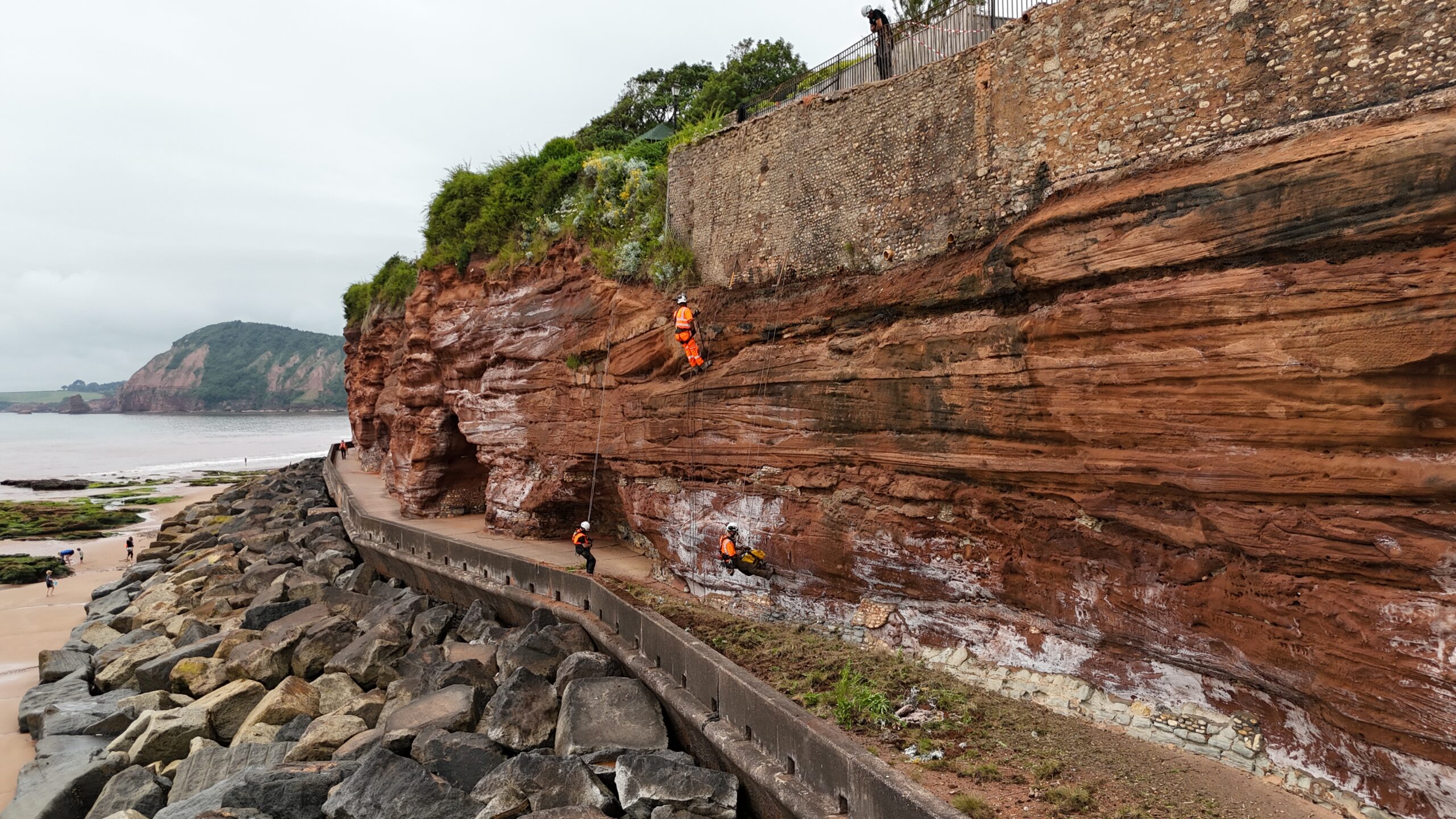
  • These pictures should showcase stunning images of landscapes affected or shaped by geotechnical processes, such as soil erosion, slope stability work, or land reclamation.

Safety and Risk Management

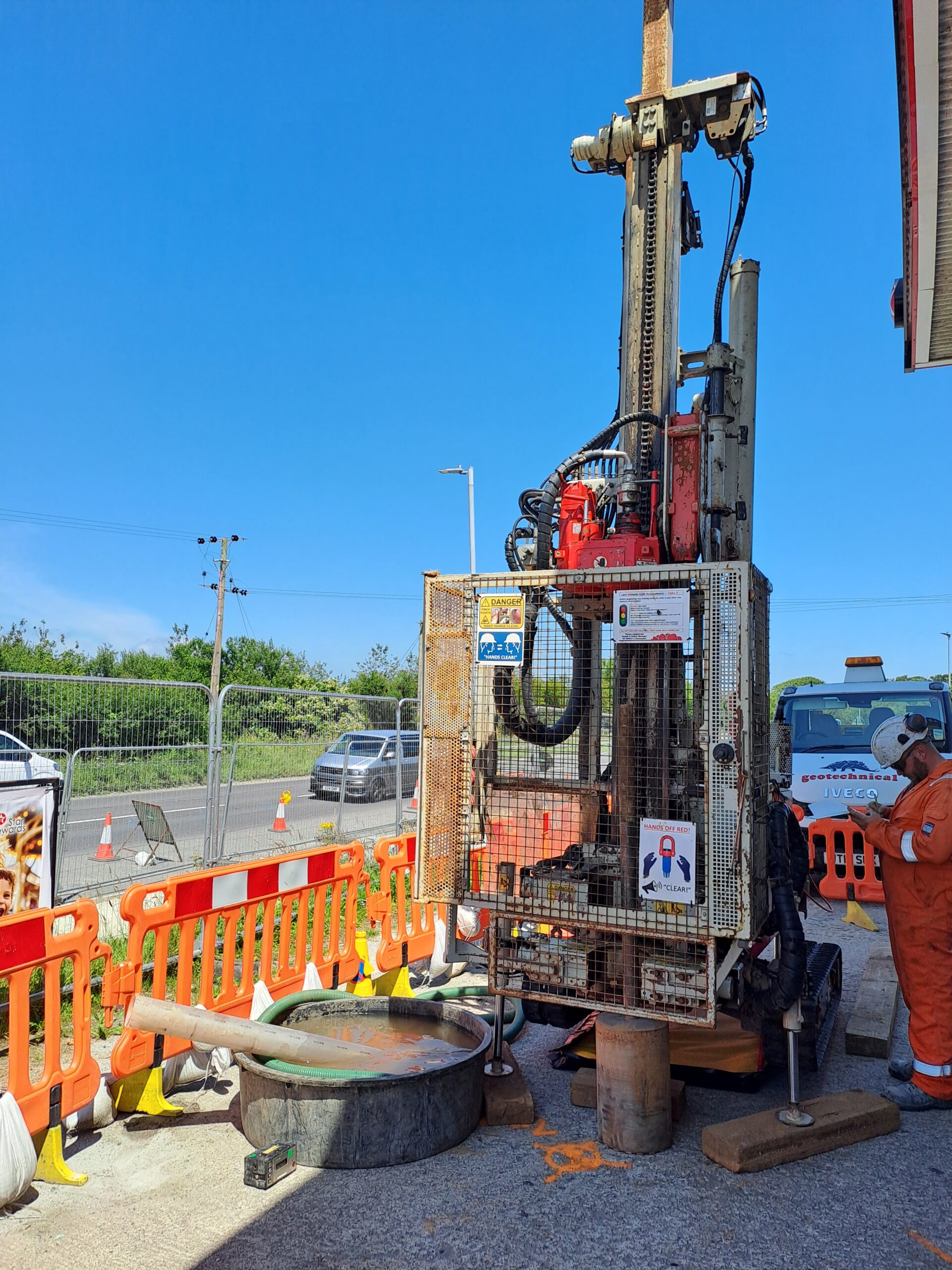
  • Photographs demonstrating excellent safety measures, practices and risk mitigation strategies in the field, such as equipment usage, signage, and personal protective equipment.

Entry into the competition is free and the overall winner will receive a £100 Amazon voucher. There will also be five category winners who will each receive a runner up prize of an Amazon voucher worth £30.

There are no restrictions on the photography equipment used, so feel free to use a phone, computer, tablet or a traditional hand-held camera to capture your image as long as the below criteria are met.

All entries will be reviewed by select members of the AGS, who will decide on the winners. Full details will be announced later in the year.

IMAGE REQUIREMENTS

The AGS are looking for high resolution JPEG images (300 DPI / over 1MB image file size) of a geotechnical and geoenvironmental nature. Photographs featuring any on-site operatives should showcase health and safety procedures in place, if appropriate. Images should be no smaller than 4200 x 3400 pixels.

HOW TO ENTER
Please email your image with the following information to ags@ags.org.uk with the subject ‘AGS Magazine: Photography Competition 2025’ in the email.

  • A short description of what it showcases and where it was taken (up to 50 words)
  • Which category your image is for
  • Image credit information (if applicable)
  • Your full name
  • Company name

Please note that there is no limit to the number of images you enter and the deadline for entries is 25th July. Entry into the competition is free.

TERMS AND CONDITIONS
• Applicants must be aged 18 or over.
• All images must be high resolution and 300 DPI (dots per inch) / over 1MB image file size.
• Applicants must be based in the UK.
• The photographer must have full copyright of all entered images and appropriate permissions from all involved parties, for all images submitted.
• All images entered may be reproduced by the AGS and used in future AGS event and marketing literature without prior notice. This may include usage across the AGS’ social media channels, inclusion in the AGS Magazine, event programmes and on the AGS website. Please note that all images used will be credited.

Article

Three Decades of Dedication: Hugh Mallett Retires with a Lifetime Achievement Award

- by
Tags: Featured

At the Annual Conference on 1st May in London, the AGS presented Hugh Mallett with a Lifetime Achievement Award to mark over 34 years of work, contributions and service to the Association.

Hugh attended his first AGS committee meeting in 1991 and was among the founding members of the Contaminated Land Working Group, which was established and chaired by Jan Hellings.

Over the years, he provided invaluable expertise and input to drive the AGS forward and make positive waves for the benefit of the geoscience industry. He served as AGS Chair from 2003 to 2005 and was the Leader of the AGS Loss Prevention Working Group for eight years, from 2014 to 2022.

Over the years, Hugh represented the AGS at numerous conferences including multiple AGS Annual Conferences and the AGS Commercial Risks and How to Manage Them Conferences (in 2019 and again 2020). He has also been a regular contributor across the AGS’ webinar programme, having presented at virtual events including, Commercial Risks and How to Manage Them: Basic Contractual Risk Mitigation in 2021, and Loss Prevention Guidance: What You Don’t Realise You Need To Know (2022 Updates) in 2023.

Hugh has made invaluable contributions to the AGS over the past three decades as an author, where he was written a range of publications, including AGS Magazine articles, Loss Prevention Alerts and client guides. He has also played a pivotal role in revision of the Loss Prevention Guidance (formerly known as the Loss Prevention Tool Kit) in 2017 and 2022. In 2023/2024, Hugh conducted a review of the Loss Prevention Alerts, working his way through over 70 alerts and identifying which ones needed updating or archiving.

AGS Chair, Vivien Dent, commented: “I’d like to thank Hugh for his dedication to the AGS over the last 3 decades. His hard work has left a lasting legacy and he will be greatly missed.”

We would like to take this opportunity to thank Hugh for his work and contributions, not just to the AGS, but to the geoscience industry as a whole. We wish him a long and happy retirement with his family and friends. Thank you, Hugh.

News

AGS Magazine: May 2025

- by
Tags: Featured

The Association of Geotechnical and Geoenvironmental Specialists is pleased to announce the May 2025 issue of their publication; AGS Magazine. To view the magazine click here.

This free, publication focuses on geotechnics, engineering geology and geoenvironmental engineering as well as the work and achievements of the AGS.

There are a number of excellent articles in this issue including;

• AGS Annual Conference: 2025 – Page 10
• AGS Data Conference – Page 18
• Raising the profile of InterEngineering and supporting the LGBTQ+ community – Page 26
• Debunking Social Value Myths: What It Is and Why It Matters – Page 34
• Monitoring of Turbidity within Groundwater during Piling Operations – Page 40
• Q&A – Mark Toye – Page 46

Plus much, much more!

Advertising opportunities are available within future issues of the publication. To view rates and opportunities please view our media pack by clicking HERE.

If you have a news story, article, case study or event which you’d like to tell our editorial team about please email ags@ags.org.uk. Articles should act as opinion pieces and not directly advertise a company. Please note that the publication of editorial and advertising content is subject to the discretion of the editorial board.

Article

Early Careers Workplace Innovations Poster Competition 2025

- by

Thank you to those who entered our AGS Early Careers Workplace Innovations poster competition. We received some wonderful submissions, each with their own unique take on the competition brief.

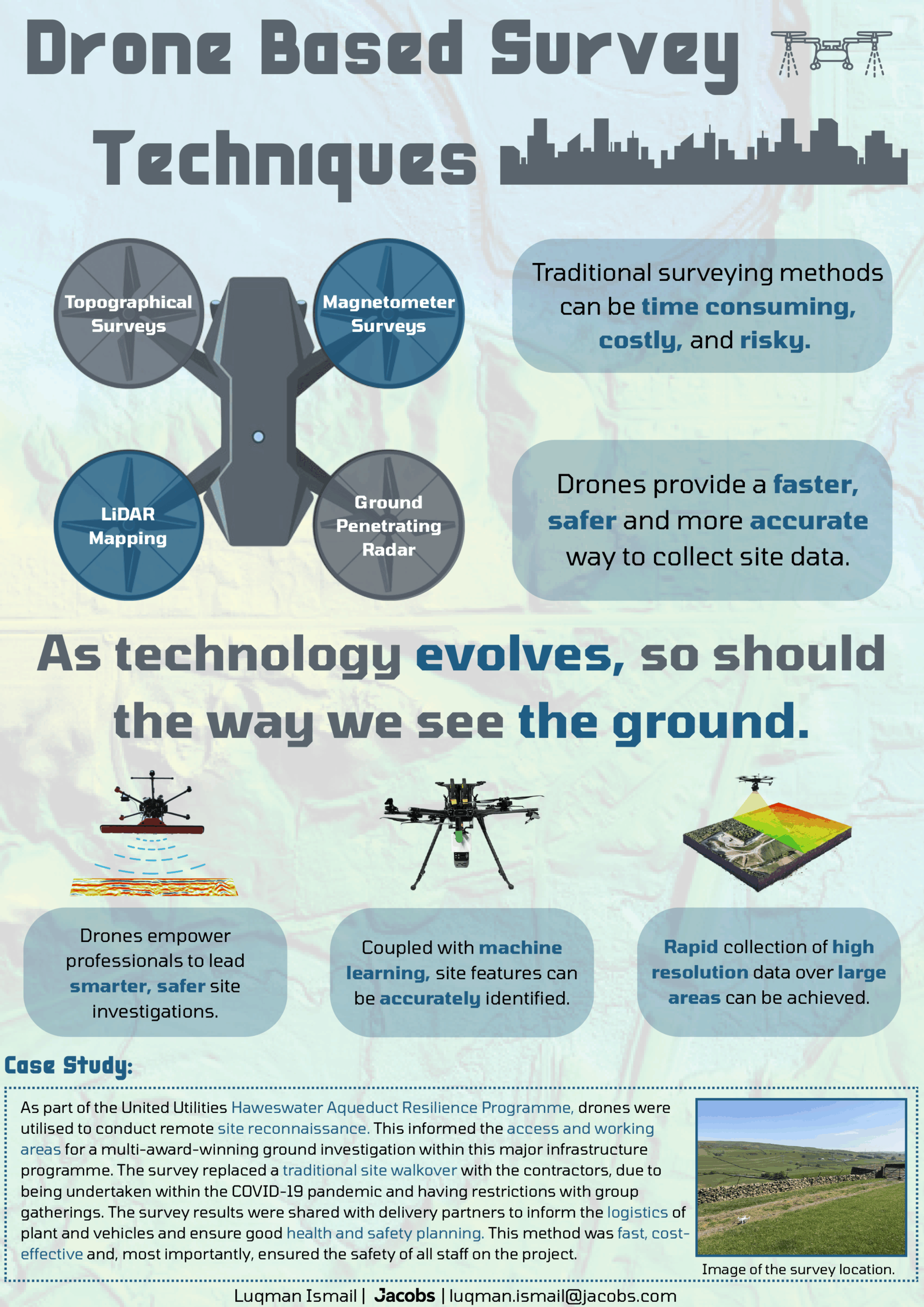
The judges, Vivien Dent (AGS Chair, Environment Agency), Sally Hudson (AGS Past-Chair, Coffey Geotechnics), Alex Lee (AGS Chair-Elect, HKA) and Geraint Williams (Contaminated Land WG Leader, HKA) had the challenging task of judging the entries, but we’re pleased to announce that Luqman Ismail (Jacobs) came out on top with his poster which focused on drone-based survey techniques.

Congratulations to Luqman – he won a Selfridges hamper, entry to the AGS Annual Conference plus a double page spread within AGS Magazine, showcasing his entry and inspiration behind the poster.

Thank you to all those who took the time to submit an entry – they were all showcased at the AGS Annual Conference and viewed by our 240 attending delegates.


News Business Practice Contaminated Land Data Management Executive Geotechnical Instrumentation & Monitoring Loss Prevention Safety Sustainability

AGS Awards 2025

- by
Tags: Featured

We were delighted to announce this year’s AGS Award and Commendation Winners at the AGS Annual Conference, held at the One Great George Street in London on 1st May 2025.

Chosen from a select number of AGS Working Group Members, these Winners were all nominated by their Working Group Leader in testament to their hard work and dedication to the AGS over the past year.

A huge well done and thank you to the following Award and Commendation Winners:

AGS Loss Prevention Working Group
Tim White (Award Winner)
Syd Pycroft (Commendation)

AGS Safety Working Group
Jon Rayner (Award Winner)

AGS Geotechnical Working Group
Emma Bell (Award Winner)
Georgina Donbroski (Commendation)

AGS Data Management Working Group
Petra Lincoln (Award Winner)

AGS Contaminated Land Working Group
Barry Mitcheson (Award Winner)
Tim Rolfe (Commendation)

AGS Instrumentation & Monitoring Working Group
David Hutchinson (Award Winner)
Tim Clegg (Commendation)

AGS Sustainability Working Group
Marla Gillow (Award Winner)
Jai Shah (Commendation)

AGS Business Practice Working Group
Bradley Falcus (Award Winner)

AGS Executive
Chris Raison (Award Winner)

AGS Lifetime Achievement Award
Hugh Mallett

To view the montage of acceptance speeches from our Winners, just view the video below

News

AGS Magazine: March 2025

- by
Tags: Featured

The Association of Geotechnical and Geoenvironmental Specialists is pleased to announce the March 2025 issue of their publication; AGS Magazine. To view the magazine click here.

This free, publication focuses on geotechnics, engineering geology and geoenvironmental engineering as well as the work and achievements of the AGS.

There are a number of excellent articles in this issue including;

  • Early Careers Professionals Poster Competition – Page 7
  • AGS Event Programme 2025 – Page 9
  • AGS Annual Conference – Page 12
  • Focusing on Women’s Safety and Welfare – Page 18
  • Introducing SiLC’s Female Leads – Page 26
  • Net Zero – Rolling Dynamic Compaction – Page 28
  • Ground Models – Page 34
  • Standards Update – February 2025 – Page 42

Plus much, much more!

Advertising opportunities are available within future issues of the publication. To view rates and opportunities please view our media pack by clicking HERE.

If you have a news story, article, case study or event which you’d like to tell our editorial team about please email ags@ags.org.uk. Articles should act as opinion pieces and not directly advertise a company. Please note that the publication of editorial and advertising content is subject to the discretion of the editorial board.

Article Geotechnical

Ground Models

- by
Tags: Featured

Introduction
Most geotechnical engineers and other practitioners in the geotechnical community will be aware of the second generation of Eurocode 7. Parts 1 and 2 of this three-part document have now been published, with part 3 due for publication in April 2025.

One aspect of the new code is the promotion of the use of ground models as part of the geotechnical design process. Whilst there is nothing new about ground models, (indeed practitioners have been using them for several decades in the UK), their elevation to being a requisite part of the design process is new.

This article describes the purpose and process for constructing a ground model in accordance with the requirements of EC7 and mirrors a presentation given by the author at the recent EC7 seminar in Paris. Much of the content of this article also forms part of a much more detailed paper written by Eurocode 7 Task Group C2 to support EC7 Part 2 in relation to the use of ground models. This more detailed paper is titled ‘Assembling the Ground Model and the derived values’ and will be published by the Joint Research Centre of the European Commission.

What is a Ground Model?
EC7 Part 1: Clause 3.1.6.6 gives the following definition: Ground Model is a site-specific outline of the disposition and character of the ground and groundwater based on results from ground investigations and other available data.

EC7 Part 2: 4.1, further states that: A Ground Model shall comprise the geological, hydrogeological, and geotechnical conditions at the site, based on the ground investigation results.

These definitions offer a clear distinction between a Ground Model and a Geological Model.

Fookes (1997) describes a geological model as ‘a representation of the geology of a particular location’

Figure 1: Simple Geological Model                Figure 2: Simple Ground Model

Figure 1 shows a simple geological model, that could be constructed by reference to geological maps and other desk study data. This model however provides no information on groundwater, structural loadings or the geotechnical units. In contrast, Figure 2 illustrates a simple ground model that includes all these key factors that will influence design.
In attempting to find a Ground Model that all European colleagues could agree on, the task group decided not to follow the work of the International Association of Engineering Geologists (IAEG) commission 25 publication No. 1: Guidelines for the development and application of engineering geological models on projects. IAEG developed the concept of ‘An Engineering Geological Model’ (EGM). This is defined as ‘the interpretation and assessment of the engineering geological conditions and allows the interaction of these conditions with the proposed project to be evaluated, so that appropriate engineering decisions can be made.’
With the EC7 Ground Model being linked to a specific structure / structures, its construction as proposed by TG C2 is subtly different.

What is the purpose of the GM?
The Ground Model is a verbal/graphical/schematic tool and is a process that is used to advance knowledge of the ground and groundwater characteristics within the zone of influence of the structure (or structures) and to help identify the corresponding risks.
Ground Models must be in a form that can be understood by all geoprofessionals. Any Ground Model must consider the Zone of Influence (ZOI), since they are intrinsically linked, and the ZOI should be defined at the same time as the Ground Model is first considered. The relationship between Ground Model and ZOI is explained and developed as an important concept within EC7 Part2. Table 1 provides the key contributions that the Ground Model makes to the design process.


Table 1: Key contributions of the Ground Model to the design process

To reinforce the purpose and usability, there are some ‘shall’ clauses in Part 2 of EC7.
1. Variability and uncertainty of geological, hydrogeological and geotechnical conditions and properties shall be included in the Ground Model.
2. The detail and the extent of the Ground Model shall be consistent with the Geotechnical Category and the zone of influence.
3. The Ground Model shall be progressively developed and updated based on potential new information.
4. The Ground Model shall reference the derived values of ground properties for encountered geotechnical units.
5. The Ground Model should be documented in the Ground Investigation Report
6. As an alternative to 5, the Ground Model may be documented in the GDR
These clauses set out some important rules for the rationale for and construction of the Ground Model and provide the basis for all Ground Models, regardless of size and complexity.

What is the Process of Constructing a Ground Model?
The Ground Model is not a box ticking exercise! The process of constructing a Ground Model forces us to think about the ground & groundwater and how they will interact with the structures we are building.

However simple or complex we decide to make the Ground Model, it must reflect all the potential ground and ground water issues
It is also vital to link the Ground Model to the zone of influence of the structure (or structures) being considered. This is perhaps one of the most important aspects of the process of Ground Model construction, but unfortunately it is often not done and leads to errors / omissions in the data that is captured.

The process of identifying the ZOI must consider all possible impacts and influences of natural features and man-made structures both on the site and surrounding the site. The Ground Model cannot be of a lesser size than the ZOI if all possible influences are to be considered. Guidance on linking the Ground Model to ZOI in the form of examples is given in the paper prepared by Task Group C2 and this will be published shortly as an accompaniment to EC7 Part 2.

Why is the ZOI linking to the Ground Model so important? We need to understand what impact our structure(s) will have on the adjacent ground and on any existing adjacent properties. Dewatering, ground freezing, or the placement of long soil nails, anchors, or rock bolts, etc., that extend into the surrounding ground, could all impact on the ground or adjacent structures.

Similarly, large bodies of water (reservoirs, lakes, etc.), areas of contamination or other hazardous ground, existing structures with deep piled foundations adjacent to our site, may impact the site, insofar as the existing pile group ZOI may overlap with that of the proposed structures. Similarly, activities with cyclic loadings may have to be considered if they would impact the proposed structures.

Figure 3 shows an example of how an initial estimation of zone of influence (blue line), fails to take into account all the possible site constraints relating to existing structures both manmade and natural, that are present on surrounding land, (red line).

Figure 3: Relationship of the Zone of Influence to proposed structures

Table 2: Typical thought process for the construction of a ground model

Input bases for the Ground Model
Inputs for the Ground Model will be acquired over a period of time, because the model is ‘live’ throughout the construction process and is all about data acquisition. This period will depend on the complexity of both the ground and groundwater conditions within the area under consideration, and the construction itself.

Within each key input stage, the Ground Model should be formed of both the known and anticipated geological, geomechanical, hydrogeological and geotechnical conditions at, under, and around the site, i.e., in the Zone of Influence. As noted previously the ZOI should be ascertained at an early stage during the life of the project but may change in scope as proposals for structure(s) are refined/changed. It is stressed that an accurate understanding of the ZOI is key to ensuring that all inputs that may be relevant to the Ground Model are considered.

What are the key ‘natural’ input bases?
• Geological conditions including, but not limited to the description of the site geomorphology, the lithology of the geotechnical units, the potential presence and level of a geometrical and physical properties and orientation of discontinuities and weathered zones, the rock mass classification.
• Geomechanical (preliminary assessments of in situ stresses, elastic properties and rock strength?)
• Hydrological conditions address surface, groundwater and piezometric levels, including their potential variations with time and the presence of other fluids or gases affecting the site.
• Geotechnical characteristics of the geotechnical units.
• Seismological assessment for the wider area needs to be undertaken at an early stage

Based on an initial understanding of the ground and groundwater, the project, and the type of construction, some initial assumptions regarding the size and complexity of the Ground Model may be constructed. Three levels of complexity may be considered: general/overview, systematic and detailed. These will help inform the type and quantity of input parameters for the Ground Model. Table 3 provides an extract of a more detailed table contained with the JRC supporting document, that provides such guidance.

Table 3: Extract from a table on guidance on inputs for different scales of Ground Model

It should be noted that one or more types of Ground Model may be required. It may be necessary for example to have a general ‘overview’ model for the project, as well as one or more systematic / detailed models to illustrate different structures or parts of structures. Such requirements are likely to become clear as the project proceeds.
The guidance paper provides input considerations for each stage.
It is important to recognise that there are other non-geological and groundwater related inputs that may need to be considered. These include but not limited to:
• Historical use of ground
• Existing structures / remaining substructures
The historical use of the land is more generally examined as part of the desk study (old historical charts or maps, aerial photography, etc.) to prepare an investigation strategy.
However, the site visit can give vital information and / or clues on the former site use. For example, surface depressions, voids, discoloured soils, artificial soil and rock exposures can all point to human activity on the site, both at surface and possibly at depth

Figure 4: Examples of historic land use

It is common, particularly in urban areas, for new construction projects to take place on sites or areas of land where there has been previous building. Often, such previous structures can be dated within the past 200 years, but there are occasions when much older structures are present.
In all cases careful consideration of available maps and plans should be undertaken to ascertain the likely extent of such structures, both at ground level and also with respect to buried elements of the original buildings.

Figure 5: Historic Buildings beneath site          Figure 6: Historic man-made caves beneath site

Consideration should be given to hidden infrastructure, e.g., cables, pipes, tunnels, and potential archaeological finds, (see figures 5 and 6). At a more detailed level, having identified that historic structures might impact on the new structures, it may be possible to access foundation records. Old timber piles if not identified, can still present problems for new construction, as shown in Figure 7.

Figure 7: Historic drawing of timber piles

Once more information regarding the types of structures and their associated foundations is known, more specific inputs for the Ground Model can be considered. In particular, values associated with specific foundation types should be considered as should cases where foundations will interact with adjacent foundations. An example of this is shown in Figure 8.

Figure 8A: Structures                                               Figure 8B: ZOI for individual structures

Figure 8: Principle of defining the zone of influence according to the type of structure

Conclusions
The formalisation of the requirement to produce a Ground Model as part of every ground investigation is a key element of the redrafted Eurocode 7. It has been recognised as the best method of documenting all the known ground and groundwater information that is gathered during the life of a project. The main ‘takeaways’ from the whole process of Ground Model construction are:
• Ground Model process can be as simple / or as complicated as you want!
• It is vital to consider the Zone of Influence!!
• It is not meant to be an onerous task
• BUT.. If process of constructing the Ground Model is done properly, you will identify potential risks
• You will help to eliminate unwanted surprises in the design process
• A good Ground Model provides an excellent method of disseminating data to all geoprofessionals

The full paper that will be published by the European Commission’s JRC will provide more in-depth guidance on assembling the Ground Model and it is recommended that this should be read in conjunction with Eurocode 7 part 2.

References
BS EN 1997‑1:2024 Eurocode 7 — Geotechnical design Part 1: General rules
BS EN 1997‑2:2024 Eurocode 7 — Geotechnical design Part 2: Ground properties
Fookes, P.G. (1997). Geology for Engineers: The Geological Model, Prediction and Performance. Quarterly Journal of Engineering Geology and Hydrogeology. Volume 30.
De.Freitas, M.H (2021). Future development of Ground Models. Quarterly Journal of Engineering Geology and Hydrogeology. Volume 54.
International Association of Engineering Geology and the Environment (IAEG), IAEG commission 25 Publication No. 1 2022.” Guidelines for the development and application of engineering geological models on projects.
Nottingham City Council Archives. Historic maps. A map of the Mansfield Road caves (undated).
Przewłócki, Jarosław & Dardzinska, I & Swinianski, J. (2005). Review of historical buildings’ foundations. Géotechnique. 55. 363-372. 10.1680/geot.55.5.363.66017.

Further information is also available from the AGS via the following link:
Bitesize Guide – EC7 Next Generation 01 – Geotechnical Unit, Ground Models and Geotechnical Design Models – what are these, what do they cover and who is responsible?

Article provided by Matthew Baldwin

Article Geotechnical Sustainability

Net Zero – Rolling Dynamic Compaction

- by
Tags: Featured

The construction industry is one of the largest contributors to carbon emissions across the globe and is under growing pressure to find solutions to more sustainable development. A large proportion of the carbon cost is created by the vast quantities of construction waste being produced, with it making up one third of all global waste. In addition to the excavation, transportation, and disposal of waste to landfill having a high carbon cost, the disposal of waste soils also produces a need for replacement material. This results in unnecessary pressure on the supply of finite natural resources and can have substantial financial implications to developers and contractors.

Finding methods of reusing on-site material has therefore become a significant issue over recent years both in the UK and globally. Ground improvement techniques are increasingly being used to cut the amount of site-generated waste, ultimately reducing both the carbon and financial costs of construction projects. Continuous advancements of these methods in recent years are further helping the industry work towards a ‘Net Carbon Zero’ future.

One such ground improvement technique is Rolling Dynamic Compaction (RDC), also known as High Energy Impact Compaction. RDC works similarly to conventional roller compaction where a load is applied to the surface using weighted drums. The weight of the drum compacts the underlying soil increasing the strength and bearing capacity of the ground. Where RDC differs from more conventional methods is the use of noncircular drums (typically with 3, 4 or 5 sides); as the drum passes over the ground and reaches the pinnacle of the drum it then ‘falls’. The periodic impact of the drum on the ground surface dynamically loads the near surface soils but also compacts the deeper underlying soils by inducing pressure waves deep into the ground.

Benefits of RDC

Dynamic compaction using non-circular drums provides several advantages over traditional circular drums:
• The dynamic loading compacts the ground to much greater depths. Where circular drums would be expected to achieve compaction to depths of around 0.5m, RDC can achieve compaction to depths in excess of 1m and, in favourable conditions, can reach up to 4m below the surface.
• The use of RDC in large earthwork projects allows the material to be placed in thicker layers, reducing the number of layers required and thus saving time and reducing vehicle movements. Thicker lifts also allows the use of larger maximum particle sizes, reducing the need for processing site-won material.
• In addition to achieving compaction to greater depths, RDC drums can often be towed at higher speeds (10-12km/h) comparable to conventional rollers (4-5km/h). This allows an area to be compacted significantly quicker when applying RDC.


Typically, the ground being treated is split into strips and passed over a set number of times at a set speed to achieve a required strength. Advancements in the plant now enables the response of the ground to the compactive effort from the drum to be recorded with each rotation. Via a digital display in the cab, the plant operator is provided with the Surface Stiffness Modulus in real time along with their position using GPS. The energy of compaction can then be automatically adjusted by altering the position of the two internal counter-rotating weights to vary the drum vibrations.

This continuous feed of information to the operator allows them to confirm if the specification has been achieved or whether further passes of the RDC roller are required. These technological advancements have led to more efficient coverage of sites and can produce more consistent results across large areas

Applications for RDC

RDC is most suited for large open sites that require significant areas of ground improvement. In recent years it has been utilised on a range of projects such as land reclamation, compaction of non-engineered fill (i.e. historical landfill sites or quarry restoration with poorly engineered backfill), improving mining haul roads and tailing dams and in agriculture to help reduce water loss.

A significant advantage of this ground improvement technique is that it can be carried out without the need to disturb or handle the ground, which, in the case of a former landfill site, could contain significant contamination or poorly graded backfill soils. The use of RDC (often in conjunction with other ground improvement methods) allows the material to remain in-situ, reducing the risk of exposing contaminants to the environment, construction workers and future site users. Methods such as RDC (that remove or significantly reduce the need to handle or disturb waste) offer a practical solution to designers and clients as it provides a potential way to eliminate, so far as is reasonably practicable, foreseeable risks to the health and safety of site users as is required with the CDM 2015 regulations. Of course, the potential impact from potentially contaminated soils on controlled waters and the wider environment would need to be assessed and mitigated, as required.

RDC can also be applied to site where a thin mantle of weak soil with poor bearing characteristics overlies more competent ground. The use of RDC on these sites may allow the foundations to be placed at shallower depths, reducing the amount of excavation undertaken and decreasing the quantity of concrete required. However, the long-term consolidation and creep settlement of the compacted soils need to be understood and included in the design of building foundations along with external areas such as pavements and landscaping. The potential for differential settlement between buildings founded on deeper, competent soils (e.g., piled structures) and external areas also needs to be carefully considered in the design.

The figure below shows the improvement achieved across a former landfill using RDC to compact the top 3m to 4m of ground. The plant outputs clearly show the increase in the Surface Stiffness Modulus (Evib) across the treated ground. The outputs, which are presented on a digital display in real-time in the cab to the machine operator, clearly highlight areas that may require additional passes. These outputs can then be verified with in-situ testing and may be used in reporting to confirm that the works specification requirements have been met.

Limitations of RDC

As with all ground improvement techniques, the effectiveness of RDC treatment is dependent on the ground conditions. RDC is best suited to granular soils, where excess pore water pressure is rapidly dissipated, although can still be applied to less permeable clays and silts in certain conditions. RDC is generally not considered to be suitable where the ground comprises soft clays or high organic content material, such as peat, or where high groundwater is present.

Predicting the depth of compaction achieved can also be problematic, especially where there is significant variability within the compacted soils. The depth of improvement can be variable and the factors affecting this are not fully understood. Methods for assessing the depth of influence often include comparing in-situ test results undertaken pre- and post- compaction. However, the reliability of the data can be dependent on the quality of the testing and the interpretation of the results. It is advisable to carry out initial trials on a section of the proposed works to understand the performance of the chosen compaction method and to finalise the compaction methodology, plant-type, etc. for the wider works.

The RDC plant measures ‘refusal compaction’ at the moisture content of the in-situ material at the time of compaction; should a material be significantly drier than the optimum moisture content during the compaction it may reach refusal, however, if then later inundated with water, collapse settlement may occur. To prevent this, conventional compaction compliance testing is often required to show that the material being compacted is near to optimum moisture content.

Conclusions

RDC can be an effective method of ground improvement and has been successfully applied to numerous sites in recent years. It can reduce the amount of plant movement and off-site soil disposal required for a project and can improve the bearing characteristics of the ground so that a more economical foundation solutions may be considered. Advancements in technology are working to address some of the limitations of the technique. Overall, the application of ground improvement techniques such as RDC, can be used across the industry to help work towards a ‘Net Carbon Zero’ future.

References

Avsar, S., Bakker, M., Bartholomeeusen, G. and Vanmechelen, J. (2006). Six Sigma Quality Improvement of Compaction at the New Doha International Airport Project. Terra et Aqua no. 106.

Scott, B., Jaksa, M. and Mitchell, P. (2019). Depth of influence of rolling dynamic compaction. Proceedings of the Institution of Civil Engineers – Ground Improvement, pp.1–10.

https://www.forbes.com/sites/heatherfarmbrough/2023/10/04/why-and-how-construction-companies-can-move-towards-net-zero/?sh=64a714b325b3

https://www.bbc.com/future/article/20211215-the-buildings-made-from-rubbish#:~:text=Roughly%20half%20of%20the%20raw,the%20world’s%20carbon%20dioxide%20emissions.

Article provided by Rose Ashmore, Senior Geotechnical Engineer at CampbellReith


Article

Introducing SiLC’s Female Leads

- by
Tags: Featured

Louise Beale is Chair of the Specialist in Land Condition (SiLC) Professional and Technical Panel that runs the scheme. She is a geologist who has worked in environmental consultancy as a land quality specialist for 30 years. She recently had a change in career direction and currently manages the integration of acquired businesses into SLR Consulting. Taking on the SiLC Chair and a new career direction after many years of providing consultancy advice to clients was a big change that she wouldn’t have taken without the encouragement and support of her peers. Learning new skills, applying her experience in a different context and interacting with a whole new set of people has given her a new lease of life and passion for her career.

Lucy Bethell is a Technical Director in the Contaminated Land and Remediation Team at Mott MacDonald with over twenty years’ experience in land contamination projects. She is also a working parent of two primary school age children, a school Governor, a CIWEM and SiLC Affiliate Mentor and involved in various groups within CIWEM, as well as her role as the SiLC PTP Deputy Chair. She is passionate about technical excellence, supporting colleagues and all things environmental! She works part time and during her career has had a sabbatical to go travelling and two breaks for maternity leave.

Experience as woman in the brownfield industry
Both Louise and Lucy’s experience as woman working in the brownfield industry has been largely positive.

Lucy has had some brilliant opportunities for interesting and notable roles on projects, some of which she only got due to her SiLC accreditation. She has had some fantastic female role models and very valuable women specific training which taught her a lot. She has also been supported in taking a technical career route as this is what fulfils her – my ikigai. However, she has seen and experienced some negative aspects including borderline harassment, which she didn’t fully recognise at the time, but was supported through intervention by male allies. “It does sometimes feel like we aren’t doing enough in terms of the environment, supporting others and also outdated, unacceptable behaviour by some in the brownfield sector”. But, as an eternal optimist this gives her the drive to get involved in trying to improve things. She is a firm believer in the strength that diversity brings to a team and therefore tries to support women and other underrepresented groups in our industry.

Louise’s early career was always an equal mix of men and women who worked hard and socialised together under a strong leader. “He was all about doing the right thing, doing it well, and enjoying your work while you did it. He really motivated and encouraged us to be one big team. I think everything I know about leading and managing people, l learned from him.” After having children Louise led a team as part of a job share. “It worked brilliantly. We complemented each other so well – we were better than the sum of our parts. I’m a lot better in the mornings, she was better in the evenings. I’m more ‘big picture’, while she had a lot more attention to detail.” Louise believes that having a family means you learn to work differently. Rather than doing whatever hours it takes to get the job done you become much more efficient.
Two of the biggest work challenges Louise has experienced were managing the menopause and overcoming a career plateau. Mental and physical menopause symptoms are numerous and it can take a long time to understand why you feel as you do. Loss of confidence and the wish for an easy life mean you just take a back seat. Awareness raising and support networks provided by her company have helped. She hopes that in the future with the right support women 15 or 25 years into their career wont even notice a blip and more leadership roles will be filled by them.

Why do we volunteer?
Lousie and Lucy both value the extra voluntary roles in industry that they do on top of their day jobs. They relish the opportunity to work with a brilliant range of people, get involved in a wide range of initiatives, support and encourage technical excellence and career development and try to shape and improve our sector. They are always curious to see what is going on in the industry and hope they can give something back to an industry that they are proud to be a part of.

Top Tips
Louise: Believe in yourself and try something new as you never know what you might learn and the boost you might get in a different environment. Find an ally who will encourage and support you and be an ally to others.

Lucy: It’s not always easy to find the time and I have a habit of overcommitting but the phrase I try to remember is “you can do anything, but you can’t do everything”.

Article Business Practice Safety

Focusing on Women’s Safety and Welfare

- by
Tags: Featured

I’m proud to release the below four-part article focusing on Women’s Safety and Welfare within the Geotechnical and Geoenvironmental Industry. The article coincides with International Women’s Day (IWD) – celebrated annually on the 8th March – so we want to raise awareness of ongoing issues Women encounter, what’s being done and what we can do to be more inclusive. I’ve been lucky to be supported in this article by four incredible women covering different aspects of the topic. If you would like to contact any of the writers, their emails have been included in their biography section. Bradley Falcus, Principal Administrator, Central Alliance

Hollie Taylor, an Engineer at Amey, is working to ensure that Women’s PPE is a workplace essential in Amey and subsequently, the wider community. Her work has been celebrated at the GE Awards and Inspiring Women in Construction & Engineering Awards in 2024. In this article Hollie will cover the topic of the importance of Women’s PPE in Construction and Engineering.
Contact: hollie.taylor@amey.co.uk

The conversation around workplace safety has evolved to include a critical aspect that was often overlooked: the need for personal protective equipment (PPE) designed specifically for women. As more women are encouraged to enter construction and engineering fields, the demand for PPE that fits and protects them adequately has become increasingly urgent. This article explores why women’s PPE is crucial for ensuring safety, comfort, and equality in these industries.

One of the primary reasons women’s PPE is essential is the significant difference in body shapes and sizes between men and women. Standard PPE is typically designed based on male body dimensions, which can lead to ill-fitting equipment for women. For instance, oversized gloves can reduce dexterity, loose helmets can impair vision, and baggy coveralls can become tripping hazards.

Comfort is a critical factor in ensuring that workers consistently use their PPE. Ill-fitting equipment can cause discomfort, leading to workers removing or adjusting their PPE, which compromises their safety. Women-specific PPE is designed to accommodate the unique anatomical features of women, such as narrower shoulders, shorter torso lengths, and different hand shapes. By providing PPE that fits well and is comfortable, employers can enhance compliance with safety protocols, ensuring that all workers are adequately protected at all times.

The availability of women’s PPE is also a matter of equality and inclusion. When women are provided with PPE that does not fit properly, it sends a message that their safety and comfort are not as important as their male counterparts. By investing in women’s PPE, employers demonstrate their commitment to creating an inclusive work environment where all employees are valued and their safety is prioritized. This can improve morale, job satisfaction, and retention rates among female employees.

Within Amey, we wanted to truly understand our employees’ needs, so we decided to go straight to the source. We asked our female employees for their feedback on how well our current suppliers’ PPE fits and their thoughts on the availability of women-specific options. Additionally, we inquired about how different stages of their menstrual health cycle might affect the fit of their PPE.

Reviewing the feedback generated from the survey identified specific areas of focus for our Suppliers. Primary focus was for increased range and fit. This led to the initiation of working groups to help the suppliers trial their existing PPE ranges.

Collaborative work like this is important for the industry to ensure adequate PPE is provided that meets the unique requirements of women, ensuring that all workers are safe, comfortable, and valued. By doing so, we can create a safer and more inclusive work environment for everyone.

Katherine Evans, a chartered geologist with an extensive technical mining background, is dedicated to raising awareness and helping businesses to improve equity for women in construction, engineering and mining. Katherine is the founder of Bold as Brass, a tribe of likeminded women and allies fighting for gender equality in and out of the workplace. Katherine shares her take on psychosocial safety of women in the industry covering taboo topics, usually not discussed.
Contact: katherine@bold-as-brass.com


Unless you’ve hyper focused the building blocks of the skills shortage problem, you may not have reached this conclusion – businesses are still creating workplace environments and career trajectories to serve outdated traditional workforces made up entirely of average sized, average weight, non-religious, able bodied, heterosexual, cis-gender, Caucasian, males of full health with short back and sides – in reality, a very small demographic of people to have ever existed.

I hold an unpopular opinion – I don’t believe it’s on purpose; I have far too much faith in people for that, but I’ve experienced enough human-imposed trauma to know outliers exist so don’t wish to downplay anyone’s pain. I don’t believe the decision makers of industry, on the whole, intentionally push aside people of already marginalised communities for the better of their own, but I do believe the demographic of decision makers is not diverse enough to understand how their decisions affect all people.

It’s so important to realise this isn’t only a gender issue, but because women make up 51% of the population, fixing this issue would result in a chunky change. To rectify it though we need to get real, we need to acknowledge, understand, and work with not dismiss intersections. Not all women are treated equally, not all women are the same, not all women were assigned female at birth, and not all men are without uteruses. If you just muttered woke, awesome, I feel seen.

Femininity isn’t fragility, being masculine isn’t toxic; vulnerability is the result of other’s wishing to take advantage; sharing a vehicle with someone you don’t know can be both dangerous and terrifying, even if you work for the same company; hotels aren’t universally safe.
Black women are four times more likely than white women to die during childbirth in the UK because of the racist society we live in; 1 in 5 birthing parents in the UK experiences birth trauma, I’m one of them; a second-, third-, or fourth-degree tear may change a birthing parent’s ability to poo forever; 40% of women and 10% of men suffer with incontinence.

Period blood isn’t just blood, it’s made up of stem cells, the type that can change into any other cell in the human body – how amazing is that?; males have a testosterone cycle that repeat each day and a their own menopause, it’s called andropause; studies have found 200,000 bacteria per square inch on public toilet floors; bacteria on hands when changing period products can be pushed into the vaginal cavity where it can multiply and result in sepsis, or release toxins that can lead to toxic shock syndrome, both of which kill people.

The hips exit the female pelvis at a higher angle than the male, making the weight distribution and pressure on the knees different to that experienced by males, and also increasing the likelihood of knee injury in females. The female foot is narrower than the male, female toes point outwards whereas male toes point inwards.

The female foot, generally, has a higher instep and higher arch than the male, although my husband’s is far more arched than mine – we are still natural beings with multiple variations; diabetic people shouldn’t wear waterproof footwear because the fabrics cause sweat to stay inside the shoe; male ankles, generally are wider than the female so male fit boots don’t tie tight enough around a female ankle and that can result in the foot completely lifting out, or rubbing leading to laceration of the skin, or tripping because of the inability to balance on a moving surface – being the boot itself, aka. anti-safety safety equipment.

There is so much more to assessing risk than using our own experiences and our personal perceptions of reality. But we can do this. Consult with your teammates who are members of marginalised communities and apply their thoughts around safety to what has always been, as well as going down a rabbit hole of research on how gender is affected by intersections, because you don’t want to be that person who forces someone else to relive trauma for the purpose of your education.

Charity Rose is an Engineering Geologist based in the Ground Engineering and Tunnelling sector of AtkinsRealis. Charity has a record of advancing the provision of welfare facilities for all on site, challenging HSE to ensure that adequate facilities for Women are enshrined in legislation and pushing employers to follow the guidance provided. Charity has kindly shared with us what employers and individuals can do to be inclusive of all on site.
Contact: Charity.Rose@atkinsrealis.com


As mentioned in Katherine’s article, the UK’s engineering and construction sector is currently facing a shortage of skilled workers. Despite efforts to encourage a culture of equality and inclusion across the industry, women remain underrepresented, accounting for only 13 % of construction workers.

When it comes to culture, a diverse workforce is integral to creating an improved sense of community, increased worker engagement, and creating role models. It is important to retain women already working in the industry as well as recruiting more. A total of 47% of female constructions workers have never worked with a female manager, and it is difficult to be what you can’t see. There is a strong business case for a diverse workforce. Companies in the top quartile for gender diversity are 15% more likely to have financial returns above industry medians.

A barrier women state as stopping them progressing or continuing working within the construction sector is a lack of access to appropriate welfare facilities. Women commonly complain that welfare units are locked from the outside, lack sanitary disposal facilities or are used as storage facilities for cleaning products such as brooms, mops and toilet rolls!

The majority of people believe they are ‘doing the right thing’ by keeping toilets locked. However, this is not the case as a locked toilet is not accessible. Having to find and ask a colleague for a key a further adds to a woman’s mental load. Additionally, it is not possible to “hold back” menstrual flow and being unable to change period products promptly in a clean space increases the risk of health conditions such as toxic shock syndrome. A total of 89% of people who menstruate have experienced stress or anxiety at work because of their period.
Improving welfare and access to welfare will go a long way in helping women to be safer and feel more welcome in the workplace. But what makes welfare ‘suitable and sufficient’?

In November 2022, HSE published the Construction Welfare Standards which state the basic expectations for compliance with Schedule 2 of the CDM Regulations.

The document clarifies that a toilet facility is deemed suitable and sufficient if there is a means to dispose of sanitary waste. Sanitary disposal facilities are inexpensive with the average cost of a serviced sanitary bin was less than £10 in 2023. The publication will hopefully encourage employees to ask for changes to be implemented as well as remind employers of their legal responsibilities.

In addition to following regulations, there are several actions employers and individuals can take to show they support women when it comes to welfare. A few suggestions include:
• Employers: Purchasing period products (such as tampons, and pads) and leave them in toilets to be used by employees. There are several period product companies which offer a subscription service but buying products from a local supermarket can be efficient for small businesses.
• Employers: Issuing Period packs. Despite recent clarification of regulations, change does take time. Employers can help individuals who menstruate by providing them with ‘Period Packs’. These are waterproof make up sized bags which include sanitary disposal bags, period products, tissues and hand sanitiser, empowering women to feel confident and comfortable on-site. Period packs can be viewed similar to first aid kits and can be taken to site by all individuals. AtkinsRealis have been trialling period packs and found them to be useful for people who menstruate as well as people who have incontinence or are diabetic and need somewhere to dispose of sharps.
• Employers: Menstruation and/or Menopause Accreditation is a formal achievement which demonstrates that companies are changing the lived experience for employees through their polices and a cultural shift.
• Individuals: Raise the issue internally. Talking about menstruation is difficult and can make people feel uncomfortable. However, the law is clear that sanitary disposal facilities are an essential part of welfare facilities and the few minutes it takes to pen an email could save hours of stress and embarrassment for you and/or your colleagues. Do not suffer in silence. If you want to connect with people in the industry who might have experienced similar issues then the ‘Bold as Brass Network’ and the ‘Bold as Brass Allies Group’ on LinkedIn are great places to start. If raising issues with your employer is unsuccessful then I encourage you to complain anonymously to HSE directly.
• Individuals: Be an ally. You do not have to be a person who menstruates to help improve welfare on construction sites. Reach out to your colleagues and ask if there is anything you can do to support them and call out unsafe behaviours. Additionally, if working on a site where toilets are not gender specific check to see if there are disposal facilities present – if not raise it with the appropriate party.

Sarah Wilsher is a licensed Transformational Coach, Trainer, and Speaker specialising in Midlife, Menopause, and Menstrual Health. As a licensed Menopause Champion with the Menopause Experts Group, she is passionate about breaking the taboo surrounding these topics and creating lasting, positive change in the workplace and beyond.
With a 25-year career in the professional clothing industry, Sarah collaborates with workwear designers to ensure garments are designed with menopause and menstrual health in mind—prioritising safety, comfort, and inclusivity. She delivers tailored programs to raise awareness which are outlined at the end of this article.
Contact: sarah@sarahwilsher.com

Menopause is a natural biological transition marking the end of a woman’s reproductive years. Defined as 12 consecutive months without a period, it typically occurs between 45 and 55, with an average age of 51 in the UK. However, factors like genetics, surgery, or medical conditions can lead to early menopause or Premature Ovarian Insufficiency (POI), affecting 1% of women under 40 and 10-15% before age 45.

Perimenopause, the years leading up to menopause, is often the most symptomatic phase. Fluctuating oestrogen and progesterone levels impact everything from brain function and body temperature to collagen production, bone strength, and heart health. The decline of oestrogen can lead to skin and muscle loss of elasticity, increased fracture risk, and heightened fatigue. Meanwhile, reduced progesterone can cause anxiety, brain fog, and cognitive difficulties, all of which can affect workplace performance.

Menopause is not solely an age-related transition. Symptoms may impact the health, safety, and well-being of colleagues who don’t fit the stereotypical age of 50+. Understanding the 34 most common symptoms—including memory lapses, mood swings, fatigue, and loss of concentration—is crucial in fostering a supportive work environment.

Cognitive changes, such as memory lapses and difficulty concentrating, can affect job performance and decision-making. For women where precision and safety are paramount, these symptoms can lead to increased stress and a sense of uncertainty. Providing resources like training refreshers, peer support groups, and flexible work arrangements can help manage these challenges. Additionally, fostering a workplace culture that values open communication and understanding can alleviate the stigma surrounding cognitive symptoms.

Night sweats and heart palpitations can significantly disrupt sleep patterns, leading to fatigue and decreased productivity. This can translate to slower reaction times, reduced focus, and a higher risk of accidents. Employers can mitigate these risks by offering flexible schedules, ensuring adequate break times, and promoting access to health and wellness programs. Simple accommodations like a quieter rest area or access to hydration stations can also help people manage fatigue during demanding workdays.

Workwear is often designed with a one-size-fits-all approach, failing to account for the unique needs of a diverse workforce, and for people who menstruate or will experience menopause. Symptoms like hot flashes and bloating can make traditional uniforms uncomfortable and even unsafe, especially when working outdoors or in high-temperature environments. Employers can address this by collaborating with designers to create menopause-friendly garments—lightweight, breathable fabrics and adjustable fits can make a significant difference. Incorporating comfort panels and gussets in darker colours not only makes sensitive areas more comfortable, but removes the anxiety around leakage from heavy periods or stress incontinence. Incorporating PPE that aligns with these needs ensures both comfort and compliance with safety standards. I am proud of my involvement in the research and development of Inclusive PPE and am encouraged by the improved availability to suit a much more diverse workforce.

Hormonal fluctuations during menopause can cause mood swings, irritability, and emotional vulnerability. These changes can strain both personal and professional relationships, making it harder for women to navigate their roles effectively. Additionally, menopause often coincides with other life transitions, such as caring for aging parents or experiencing an empty nest, compounding the emotional strain. Educating colleagues about menopause through workshops or awareness campaigns can foster empathy and understanding, creating a more supportive environment. This inclusivity not only benefits those experiencing menopause but also strengthens team cohesion and morale.
Supporting people throughout the menopause transition isn’t just an ethical choice—it’s a smart business decision. Workplaces that embrace menopause-friendly policies tend to see higher employee satisfaction and retention rates, improved morale, and enhanced productivity. For the geotechnical and geoenvironmental sectors, where skilled labour is in high demand, retaining experienced workers is crucial. Moreover, fostering an inclusive culture signals to prospective employees that the company values diversity and well-being, making it an employer of choice.

Employers within the industry can take actionable steps to support menopausal women, ensuring their safety, wellbeing, and career progression:
1. Conduct Training and Awareness Programs: Educate employees at all levels about menopause to foster empathy and understanding. A variety of Lunch and Learn programs, Menopause Champion Training and Educational Resources are available from Sarah Wilsher Coaching Ltd – www.sarahwilsher.com
2. Redesign Workwear: Collaborate with designers to create comfortable, menopause-friendly uniforms and PPE.
3. Implement Flexible Policies: Allow for flexible scheduling, modified duties, and access to quiet spaces.
4. Promote Open Communication: Encourage a culture where women feel comfortable discussing their needs and seeking accommodations.

By addressing the unique challenges of menopause, employers can empower women to thrive in their roles, ensuring a safer, more inclusive, and productive workforce. Menopause is not a barrier—it’s a phase of life that, with the right support, can be navigated with confidence and resilience.


Article Loss Prevention

Professional Indemnity Insurance

- by
Tags: Featured

The AGS Loss Prevention Working Group last year undertook a survey of members requesting comments on their recent and current commercial, contractual and legal issues which have been affecting or have affected their organisations in the past 12 months. 17 comments were received which covered a variety of topics. One of the most significant areas of concern for responding members related to Professional Indemnity Insurance (PII).

The main concerns were regarding the requests for levels of Professional Indemnity cover which exceeded the level of risks for the work undertaken, and the difficulty some members had in obtaining insurance at an economic rate. It appears that where cover five or more years ago may have been readily obtainable at £10m for each and every claim, it now is more like £5m in the aggregate. There is a view that since the Grenfell Tower disaster previous levels of cover are no longer available in the construction industry, of which geotechnical work is a part.
Over the years the AGS has published a number of documents on Professional Indemnity Insurance which are still relevant to this issue, namely “A Client’s Guide to Professional Indemnity Insurance (2006)”, “Glossary of Useful Professional Indemnity Insurance Phrases (2014)”, “LPA 28 – The consequences of a hard insurance market on existing collateral warranties (2003)”, and “LPG 016 Checklist for Professional Indemnity Insurance (updated 2022)”. While the information in these documents can help members to navigate their way through the issues around PII, and to help them inform their clients about the purpose of PII, the main issue appears to be changes in the insurance market.

Griffiths and Armour regularly review the conditions in the insurance market. The comment below is based on the June 2024 article “What’s happening in the PI insurance market? Current conditions and long term change” from their on-line Knowledge Centre.

In the first half of 2024 the insurance market experienced a ‘levelling off’, and the outlook for the market was more positive than previously. Whilst certain sectors remain particularly challenging, and individual renewals will obviously be influenced by risk and claims profile, it feels like the market has entered a period of relative stability.

While there are fewer firms finding themselves being unable to secure insurance protection, affordability remains a real problem and the significant differences in the cover insurers are prepared to provide has left many firms, often unknowingly, carrying a higher degree of uninsured exposure. To counter this companies should tackle underlying risk by adopting a long-term, sustainable approach and being careful in balancing contractual risk and the desire to maintain work load for the business. There is experience of increased limits of indemnity required being driven by costs and inflation.

At a wider level, the introduction of the Building Safety Act in the UK creates potential uncertainty around exposures on both historic and future projects, with recurring issues such as joint and several liability, continuing to fuel a complete imbalance of risk and reward for the consultancy sector.

However, the changes G&A are now seeing in the insurance market are more about the usual ‘market cycle’ and the ebb and flow of capital than any fundamental change in underlying risk.

It is recommended that firms should start planning early for their own PI insurance renewal, and should:

  • start the process 2 to 3 months in advance of renewal;
  • establish clear goals and timelines at the outset;
  • provide a clear overview of their practice and their approach to managing risk;
  • outline lessons learned from claims or issues that have arisen in the past; and
  • work closely and engage positively with their broker/insurer.

David Hutchinson
Loss Prevention Working Group