Article

Material Management Plans

- by
Tags: Featured

What is a Materials Management Plan?

A Materials Management Plan (MMP) can allow the re-use of contaminated or uncontaminated soil, Made Ground and other material in earthworks without the requirement to go through the lengthy and costly process of obtaining an environmental permit.

Arisings generated by site levelling, foundation and basement excavations, road construction and utility service trenches can result in thousands of tonnes of surplus material being generated. In the case of brownfield projects, the off-site disposal of these surplus materials can be a significant cost item, as well as a non-sustainable option, and may impact a projects viability.

This Made Ground material may be considered as waste by the definition set out in the Waste Framework Directive (WFD) Directive 2008/98/EC of the European Parliament and of the Council of 19 November 2008 on waste and repealing certain directives (2008) meaning it must be handled in line with waste duty of care requirements and cannot legally be used again unless an environmental permit is issued, which can take several months and incur significant application costs.

The CL:AIRE Definition of Waste: Development Industry Code of Practice Version 2 (DoWCoP) (2011) was developed to provide a simplified process to enable the re-use of site-won materials (‘waste’ and non-waste), either on the site of origin, or on another nominated site (movement between sites) without the need for an Environmental Permit.

The CL:AIRE DoWCoP sets out four main principles for the use of materials as non-waste. The Materials Management Plan must contain sufficient information to demonstrate these requirements are met.

  1. Protection of Human Health and the Environment

Adequate assessment must be undertaken, and where necessary, protection or remediation measures must be specified. Any material that presents unacceptable risk of pollution of the environment or harm to human health it is likely to be classed as a waste, although it may be possible to update the design or treat the material (see point 2).

  1. Suitable for use

The material must be suitable for the intended use, particularly in terms of its chemical and geotechnical properties. Excavated materials that are suitable for use without requiring treatment are unlikely to be classed as a waste. Material requiring treatment, such as to alter chemical or physical/geotechnical properties will be classed as a waste, but once treated and suitable for use, will no longer be considered waste under an approved MMP.

  1. Certainty of Use

It must be demonstrated that the materials will actually be used and that the use is not just a probability, but a certainty.  The DoWCoP requires this is established at the outset, meaning any material excavated and stockpiled with no pre-defined destination or use will become a waste.

  1. Quantity of Material Required

Materials should only be used in the quantities necessary for that use, and no more.  The use of an excessive amount of material will indicate that it is being disposed of and is waste.

Is an MMP a legal requirement?

The Code of Practice (MMP) is voluntary and applies to England and Wales only. It is possible to demonstrate a material is not a waste outside of this CoP, or to allow re-use of ‘waste materials’ through specific Environmental Permits and agreement with the Environment Agency (EA).

The re-use of surplus soils without an Environmental Permit, Waste Exemption or MMP would be classed as an unauthorised deposit of waste (landfilling) which has legal ramifications and can result in HM Treasury applying landfill tax to the deposited material at the maximum rate.

Requirements on construction sites

An MMP is required if you intend to re-use brownfield soil arisings on your site, or if you intend to bring in clean greenfield soils from another development site.

In accordance with Chapter 1, Article 2 of the Waste Framework Directive article 2(c) states “uncontaminated soil and other naturally occurring material excavated in the course of construction activities where it is certain that the material will be used for the purposes of construction in its natural state on the site from which it was excavated” is exempt from the Waste Framework Directive, and therefore is not classed as a waste.

It will be prudent for sites meeting the above criteria to demonstrate that each criteria has been met, and this can be completed in the form of a written letter addressing each point.

When a client wants to progress with an MMP, it needs to be considered early on in the development scheme and needs to be in place and fully authorised by CL:AIRE BEFORE the excavation and stockpiling of material commences.

An MMP cannot be applied for retrospectively and so any arisings generated prior to an MMP being accepted by CL:AIRE, that are not covered by an existing Waste Exemption or Environmental Permit, will be classed as a waste and must be handled in line with waste duty of care requirements.

Managing soils on-site

Once the MMP is in place, it is important to ensure the soil re-use on-site is correctly managed and recorded.

Regardless of the complexity of your soil re-use, the principles of managing the soils remains the same.

  1. Plan

As well as having an MMP in place to demonstrate that soils are suitable to be re-used on-site, it is important to also have a plan on how soils will be tracked.

One of the most effective methods of tracking soils is to implement a grid-based system across the site. The grid squares can be as large or small as they need to be depending on the complexity of your site.

For example, if it is really important that soils from 1 corner of the site are only re-used in another small area, it would be better to have smaller grid squares. Whereas if you are only re-using clean materials, and they can be used anywhere on the site, it would be practical to have larger grid squares that represented close to the amount of soils that could be moved per day.

Once you have your grid system decided, you will also need to set up a tracking form to record where materials have arisen from, where they are stockpiled, and where they end up. You can also use this form to record any required testing, import tickets and disposal tickets. This form should be included as part of the MMP application.

  1. Track

The purpose of the tracking form is to clearly demonstrate where materials have come from, and where they have been placed.

To ensure soils are tracked the whole way through a project, it is key to decide who is going to be responsible for completing the tracking form.

  1. Drone surveys/Photographs

Using Drone surveys on-site is becoming more and more popular and is a great way of recording what is happening on-site at a given time. When you compare weekly drone photographs of the site, it is easy to see how things have evolved over time. You can use these images to document stockpiles and soil re-use, by annotating them and linking them back to the tracking form.

Recording movements on-site does not have to be as high-tech as using a drone though. The client might have weekly site meetings where they print out a large drawing of the site and draw on where the stockpiles are, what areas are completed, where soils are due to be cut etc. This method is just as effective.

The key with whatever method of tracking you use, is that it needs to be simple, and a small addition to the works the developers are already doing. It is very likely that they are already recording the information needed for managing soil reuse under an MMP.

  1. Audit

Throughout the soil movement phase of works, it can be helpful to have a 3rd party (eg the person preparing the verification report, but not completing the records) review the records to advise on the information that is being recorded, and to also offer guidance and advice of any problems that may have arisen.

It can be helpful to start the process with a pre-start meeting to discuss the requirements with all parties who will be involved on-site, and come up with the most appropriate tracking system for the site.

Verification & Reporting

Once all the soil movements are complete, you will need to “close out” the MMP with CL:AIRE, which can only be done by submitting a Verification Report.

The CL:AIRE DoWCoP sets out the following will be needed within a Verification Report:

  1. Appropriate site plans;
  2. Experience and qualifications of the person preparing the report in relation to the specific project;
  3. Description of the project;
  4. Description of how the use of materials links with the Remediation Strategy or Design Statement (which should be set out in the agreed MMP already);
  5. Reference to site investigation data if applicable (which should be set out in the agreed MMP already);
  6. Reference to risk assessments (including qualitative risk assessments) (which should be set out in the agreed MMP already);
  7. Reference to the MMP and associated tracking system, including alterations made and why;
  8. Suitable for use criteria;
  9. Treatment records (if applicable);
  10. Laboratory analysis (if applicable);
  11. Reference to waste transfer documentation, including return loads (if applicable);
  12. Signed delivery tickets (if applicable);
  13. Record of contingency arrangement(s) that had to be implemented;
  14. Record of quantity of materials used (this can be calculated using a pre-start and post completion topographic survey); and
  15. Copies of signed Declaration(s) by Qualified Person(s).

If you do not submit a Verification Report for your MMP, the project could be considered “non-Compliant” and the imported/excavated/reused material could potentially be considered as an illegal deposit. CL:AIRE may share such data with the EA / NRW and HMRC.

References

  1. Waste Framework Directive (2008) Directive 2008/98/EC of the European Parliament and of the Council of 19 November 2008 on waste and repealing certain directives
  2. CL:AIRE (2011) Definition of Waste: Development Industry Code of Practice Version 2

Article by Olivia Maxwell (Principal Geo-Environmental Consultant at Omnia Consulting)

www.omnia-consulting.co.uk

Article

London Build 2025

- by
Tags: Featured

The UK’s leading and largest construction show is back at Olympia London on November 19th and 20th, and it’s breaking all records!

London Build 2025 is bigger than ever, with more speakers, more topics, more exhibitors, and more attendees than any year before. The show has grown into the UK’s leading and most influential gathering for the built environment.

Over 38,000 attendees are expected this year, making it the largest edition yet. London Build 2025 will turn Olympia into a festival of construction, packed with live DJs, entertainment, interactive workshops, and networking parties. It’s set to be the most exciting mix of business, learning, and fun that the industry has ever seen.

London Build features the most diverse and ambitious conference agenda with 750 speakers across 12 CPD-accredited stages, including Housing & Real Estate, Skyscrapers & Tall Buildings, Architecture, AI & Digital, Modern Methods of Construction, Marketing, Sustainability, Fire Safety, Building Security and Diversity & Inclusion. There is something for everyone!
With over 450 exhibitors from leading suppliers across sustainability, digital construction, building materials, and design innovation, this is your one-stop shop for cutting-edge products and solutions.

Conference sessions not to miss!
● Building the UK’s Future: Government and Industry Collaboration to Meet Housing Targets
● Unlocking the Power of Data Management: Enhancing Collaboration and Project Efficiency
● Shaping a Circular Future for the UK’s Construction Industry
● The Role of Early Engagement in Navigating the Building Safety Act
● Meet the Architects, Contractors, and Developers Embracing Modular Construction
● Addressing The UK’s Housing Crisis: Delivering Sustainable Social Housing
● Delivery For Tomorrow: Innovative Technologies and Strategies Transforming MMC
● How AI Is Transforming Building and Energy Efficiency
● Breaking the Concrete Ceiling: Women Leading the Industry
● Designing Icons: What Makes a Skyscraper Stand The Test of Time?
● The Road To COP30: What’s Next for the Built Environment?

750+ Incredible speakers taking the stage, including:
● Miriam Ozanne, Regional Director, Building Performance – AECOM
● Joanna Gilroy, Group Director of Sustainability – Balfour Beatty
● Kim Sides, Executive Director Construction – BAM UK & Ireland
● Mark Blundy, Group Director of Health & Safety – Bowmer & Kirkland
● Angela Brockbank, Affordable Homes Sector Director – Galliford Try
● Jane Clay, Strategy Director, Principal – Gensler
● Rachel Smalley, Director of Inclusive Design – Jacobs
● James Franklin, Digital Twin Project Director – Kier Group
● Rossella Nicolin, Head of Sustainability – Europe – Laing O’Rourke
● Liz Blackwell, Group Head of Sustainability – L&Q Group
● Tim Carey, Design & C2P Director – Mace
● Michael Bacon, Digital Transformation Manager – Multiplex Construction
● Jamie Young, Head of Design Management – Morgan Sindall
● Louise Barr, Deputy Director – Construction Products Reform – Ministry for Housing, Communities and Local Government
● Tom Weller, Head of Building Safety – Persimmon Homes
● Alex Plenty, Head of Digital Construction – Skanska
● Milena Davis, Head of Early Careers – VINCI Building
● Bidisha Sinha, Associate Director – Zaha Hadid Architects

Attended by the UK’s entire construction industry, including senior reps from:
AECOM, Allford Hall Monaghan Morris, AtkinsRealis, Balfour Beatty, BAM Construct UK, Barratt Developments, BDP, Bellway Homes, Berkeley Group, Buro Happold, Enfield Council, Foster + Partners, Galliford Try, Greater London Authority, HOK, Homes England, HS2, Kier Group, L&Q Group, Laing O’Rourke, Mace, McLaren Construction, Morgan Sindall, Mott MacDonald, Network Rail, Sir Robert McAlpine, Sisk, Skanska UK, Transport for London, VolkerWessels UK, Wates Group, WilkinsonEyre, Willmott Dixon and Zaha Hadid Architects.

The latest innovation and live demos with 450 exhibitors, including:
Volker Wessels, HSS Hire, Etex (Siniat/Promat), Quelfire, Bull Products & Cygnus, Ecobat, Aeroseal UK, AI Skills Hub, Sherwin-Williams, Bradbury Group, Chelsea FC, Laing O’Rourke, Bull Products, Gleeds, Saint-Gobain Group, Armatherm, PWC, Southern Renewals, Smeg, Toyota, Howdens, Technal, Rockwool, Acrow Bridge, Hempel, Peel Ports Group, Enterprise/VolkerFitzpatrick, HS2, Chevron, Thermal Bridging Solutions, Rawlplug, Houzz Pro, Skanska, KuhnOdice, Hilti, Hempel, and Xpedion.

Event Details:
● Dates: 19th November (9:30 am – 5:30 pm) & 20th November (9:30 am – 5:00 pm)
● Venue: Olympia (Grand & National Halls), Hammersmith Rd, London W14 8UX
● Register: Visit www.londonbuildexpo.com to receive your free attendee pass and explore the full event programme.

Article

Q&A with Luqman Ismail

- by
Tags: Featured

Name: Luqman Ismail
Job title: Geotechnical Engineering Degree Apprentice
Company: Jacobs

Can you provide an overview on your career history, current role, and responsibilities?

I am currently in the second year of my Civil Engineering Degree Apprenticeship, working within the Tunnelling and Ground Engineering team at Jacobs. My current role involves the writing of geotechnical reports across multiple stages of design such as desk studies, ground investigation reports and geotechnical design reports. I have also been involved in detailed design within highways projects including retaining walls, sign foundations and earthwork repairs.

Alongside this, as part of my apprenticeship I am studying towards a BEng in Civil and Infrastructure Engineering at The University of Warwick. I attend lectures, seminars and practical sessions at the university for one week every month.

What attracted you into the industry?

My passion for the industry stems from my study of A Level Geology. This science has always fascinated me, and studying Geology in sixth form introduced me to the engineering applications of the subject, particularly civil and geotechnical engineering. I researched into the sector and was fortunate to attain this degree apprenticeship program which allows me to kick-start my career, gaining hands-on experience whilst studying towards a funded degree.

Can you talk us through your poster design? Why did you decide to focus on the use of drone based survey techniques?

Despite not being directly involved with drone-based site investigation, I came across this innovative technique during a lunch and learn at Jacobs, which comprehensively introduced drone-based survey techniques and their scope for the future of site investigation. Inspired by this session, I created my poster showcasing the types of surveys possible and the advantages over traditional survey methods, as well as a case study where drones were used to conduct a remote site reconnaissance.

Apart from your work on drone-based survey techniques, have you been involved with any other innovative technologies within your day-to-day role?  

In order to inform preliminary design and desk studies, I have used National Highway’s asset visualisation and information system, which utilises point cloud data and LiDAR to allow for advanced measurement tools in a 3D space. This allows for models and sections to be produced through areas of interest, proving useful for visualisation of sites and key features.

Can you predict an innovation which will dramatically change the geoscience industry in the next decade? Why have you chosen this innovation?

In my opinion, AI has the potential to dramatically change the industry by means of automating data analysis and interpretation, for example, accelerating the creation of detailed geological models. Efficient use of AI will allow real-time monitoring and predictive analysis for ground behaviour, ultimately leading to more efficient site investigation. If utilised correctly, AI can lead to optimised design and construction of infrastructure, ultimately making geotechnical and geoenvironmental practices safer, faster, and more sustainable. As demonstrated in this year’s AGS Conference, there are currently limitations and potential drawbacks of using AI within our profession, however these tools are continuously developing.

How did you find the AGS Annual Conference?

I found the AGS conference very beneficial, everything from the venue to the inspiring speakers was excellent. Being new to the industry meant that I learnt something in every presentation and conversation. It was also great to see my poster on display at the conference, alongside all the other fantastic entries. In particular I enjoyed the presentations on Generative AI in Ground Engineering, and The Expanding Role of Satellite INSAR in Risk Management.

What advice or words of wisdom that would you give someone who is considering entering the industry?

Don’t be afraid to ask questions! As an apprentice entering the industry straight out of school, I’ve found that asking questions isn’t just about clarifying what you don’t understand, it demonstrates a genuine eagerness to learn. It shows your colleagues you’re engaged, thinking critically, and keen to grasp complex concepts, which in turn helps you build a solid foundation of knowledge and understanding much faster.

Article

Neurodiversity And Disability In Geotechnical And Geoenvironmental Engineering Sector – Embracing Difference

- by
Tags: Featured

Understanding Neurodiversity and Disability

Neurodiversity Defined

Neurodiversity refers to the limitless variability of the human nervous system, influenced by environmental factors.  It represents differences in how people think, move, process, and communicate, which can change throughout their lives.  Neurotypical (NT) individuals are considered “ordinary,” while Neurodivergent (ND) individuals have variations in sociability, thinking, processing, learning, attention, mood, and other mental functions.

Neurodivergent conditions include Autism (1-2% of the population), ADHD (up to 5%), Dyslexia (up to 20%), and Dyspraxia (up to 6%). Other rarer conditions include Tourette Syndrome, OCD, PTSD, Dysgraphia, and Dyscalculia.  These conditions are celebrated as natural variations of the human experience, with a significant proportion of the working population being neurodivergent. Individuals who are neurodivergent often have overlapping conditions, each with unique strengths, experiences, and perspectives beneficial to the workplace and society.  However, they also face unique challenges, requiring integrated, multidisciplinary approaches for effective support.

Defining Disability

A disability is a condition that affects a person’s daily life and work. In 2022/23, 16.1 million people in the UK had a disability, with 80% having hidden impairments. Disability prevalence increases with age: 11% of children, 23% of working-age adults, and 45% of adults over State Pension age are disabled. Disabilities can be physical, sensory, intellectual, emotional, or developmental.

83% of disabilities are acquired during a person’s lifetime.  By 2030, 40% of the working-age population is expected to have a long-term mental health condition.  In our sector, disabilities include mobility impairments, mental health issues, visual or hearing impairments, and chronic health conditions.  It’s crucial to develop inclusive practices to accommodate diverse needs and ensure everyone can contribute effectively.

Gaining Support

If you have a physical or mental impairment that has a substantial and long-term adverse effect on your ability to carry out normal day-to-day activities.  The Equality Act (2010) can protect you against discrimination in education, work and services provided for you.  It can require employers, colleges, venues and service providers to make reasonable adjustments, provide support and make things accessible.  You are also protected from discrimination if you are connected with someone who has a disability, for example, a family member or friend, or if you’ve complained about discrimination or supported someone else’s claim.

To make things accessible, a disabled person or a neurodivergent person can receive support.  Reasonable adjustments are changes an employer makes to remove or reduce a disadvantage related to someone’s condition/impairment.  These are specific to a person.  They can be for physical or mental health conditions.  They can cover any area of work.  It is not enough for employers to provide disabled people with the same working conditions as non-disabled people.  Employers must make reasonable adjustments by law.  Yet it is vital to remember that some disabled people might not need or want adjustments, although this might change over time.

Creating a dynamic culture of neuroinclusion is an ongoing journey of neurotypicals working alongside neurodivergent and disabled colleagues, revising practices / polices and readdressing attitudes and removing subtle acts of exclusion.  When an organisation has a growing neuroinclusive culture, it means ongoing development of an environment where neurodivergent and disabled employees feel comfortable being themselves.  For example, many neurodivergent people may not feel comfortable sharing their neurodivergence with their employer due to the harmful stereotypes, stigma, and misinformation.  When organisations can show they are learning more about neurodiversity and working towards being more inclusive, it sends a powerful message, internally and externally.

Challenges Faced by Neurodiverse and Disabled Individuals

Physical Barriers

Often, working on-site can be notoriously demanding, with many tasks requiring physical strength, dexterity, and endurance.  For individuals with mobility impairments or chronic health conditions, navigating these physical demands can be challenging.  Inclusive design, adaptable work areas, and assistive technology, for instance, using a tablet as a data logger application, can help mitigate these barriers.  Flexible work patterns can also greatly benefit disabled employees.

Communication Barriers

Effective communication is pivotal in engineering and construction, where collaboration and coordination are key.  Neurodiverse individuals experience challenges in traditional communication methods.  For instance, they might prefer visual aids or written instructions as a snappy bullet point over verbal communication.  Understanding and accommodating these preferences can enhance productivity and reduce misunderstandings by neurotypical and neurodivergent employees alike.

Stereotypes and Stigma

Despite growing awareness, media stereotypes and stigma around neurodiversity and disability persist.  Neurodivergent individuals may be unfairly judged as lacking competence or being difficult to work with, while disabled individuals might be seen as unable to perform certain tasks.  These misconceptions can lead to discrimination and exclusion, undermining the potential contributions of these individuals.

Benefits of Embracing Neurodiversity and Disability

Enhanced Problem-Solving

Neurodiverse individuals often excel in areas such as pattern recognition, creative thinking, and complex problem-solving.  For instance, individuals with dyslexia might have strong spatial reasoning skills, while those with ADHD could bring a high level of energy and innovation.  In engineering and construction, where every project presents unique challenges, these skills are invaluable.

Improved Innovation

Diverse teams are known to drive innovation, as they bring a wider range of perspectives and ideas to the table.  Neurodiverse and disabled individuals can offer fresh insights that might not be considered in a more homogenous team.  For example, an individual with Autism might approach a problem with meticulous attention to detail, uncovering solutions that others might overlook.

Curiosity

Curiosity is a driving force behind scientific and technological advancement.  Neurodivergent individuals often possess an insatiable curiosity that leads them to explore new ideas and question established norms.  As Einstein famously said, “I have no special talents.  I am only passionately curious.”  Curie echoed this sentiment, stating, “Be less curious about people and more curious about ideas.”  This relentless pursuit of knowledge fuels innovation and discovery.

Pattern Thinking

Pattern thinking is the ability to recognise and understand patterns in data and phenomena.  Darwin’s observation, “My mind seems to have become a kind of machine for grinding general laws out of large collections of facts,” highlights the importance of pattern thinking in scientific inquiry.  Tesla’s fascination with nature and his belief that “to discover the forces which are active, and the laws which govern them, is the highest aim of the intellect of man,” underscores the value of pattern recognition in engineering and invention.

Perseverance

Perseverance is a hallmark of many successful scientists and engineers.  Newton’s declaration, “My powers are ordinary.  Only my application brings me success,” emphasises the role of persistence in achieving breakthroughs.  Curie’s advice, “We must have perseverance and above all confidence in ourselves,” is a testament to the determination required to overcome challenges and make significant contributions in engineering.

Creativity

Creativity is the ability to generate novel ideas and solutions.  Einstein described creativity as “intelligence having fun,” highlighting the joy and fulfilment that comes from innovative thinking.  Tesla’s reflection on the satisfaction of seeing his ideas materialise—“Such feelings make man forget food, sleep, friends, love, everything”—captures the profound impact of creativity on human achievement.

Increased Employee Satisfaction and Retention

Creating such an environment where neurodiverse and disabled individuals feel valued can significantly enhance employee satisfaction and retention.  When employees feel supported and respected, they are more likely to be engaged and committed to their work.  This, in turn, can lead to higher productivity and reduced employer turnover.

Strategies for Inclusion

Accessible Workspaces

Designing accessible workspaces is fundamental to including individuals with disabilities and those who neurodivergent.  This includes ensuring physical accessibility, such as ramps and elevators, as well as ergonomic workstations that can be adjusted to meet individual needs. In construction sites, portable accessibility solutions should be implemented to accommodate workers with mobility impairments.

Flexible Work Arrangements

Flexibility in work arrangements can support neurodiverse and disabled individuals in managing their conditions.  This includes flexible work hours, part-time work, compressed workweeks, job sharing, and employee choice in shifts.  For example, remote work or flexible hours can help individuals with chronic health conditions or mental health disorders.  Offering flexibility benefits both neurodivergent and neurotypical staff by empowering them and creating a culture of trust and loyalty.

Staff training

Educating colleagues at all levels about neurodiversity and disability is crucial in fostering an inclusive environment.  Training programs can help fellow employees understand the strengths and challenges associated with different conditions, promoting empathy and reducing stigma.  Consequently, all staff will benefit from training on disability and neurodivergence.  Training is important for line managers, senior management, Human Resources (People Team) staff, and anyone working in inclusion.  Line managers are the most important point of contact for any employee.  Managers must access quality training to support and get the best out of their neurodivergent colleagues.  When searching for quality training, make sure it values lived experience, has been developed with neurodivergent people, and is evidence-based.

Awareness Programs

Awareness sessions/programs can highlight the importance of diversity in driving innovation and success.  Breaking down barriers and enabling a shared understanding of disability and neurodiversity empowers participants to grow in emotional intelligence and allyship.

Furthermore, awareness days/weeks are also one step removed from finding opportunities to be open about neurodivergence.  Organisations with neurodivergent or disabled individuals can easily connect to Neurodiversity Celebration Week, International Persons With A Disability Day or other relevant awareness days.

These events can become tiresome, tokenistic, repetitive, fizzle out, and ultimately unproductive in raising awareness of differences within our workplaces.  It is best not to do these once; they are more effective when creating several pieces of content over time, with different staff, rather than a one-off piece.  Often, there remains some gestures or efforts of compliance towards members of minority groups, often for the pursuit of appearance or a CPD tick box rather than commitment to diversity and equity.  The goal is awareness vents is to lead to acceptance and freely talking about neurodivergence and normalising it.  Adopting neuroinclusion lets neurodivergent people know your organisation is one where difference is valued; it is recognised as a key first step towards attracting fresh talent.

Increased Representation

Openly disabled and neurodivergent employees do not see themselves represented in STEM, many may internalize that such careers are not made for them.  Before I graduated in 1995, I was one.  I started my working life as a laboratory technician and then entered university by the back door, and a lot of hard work.  When people of an underrepresented group do not see themselves in our sector, they likely learn similar messages too.  When managers and senior leadership members are open about their neurodivergence, it creates an environment where employees and prospective employees feel comfortable bringing their whole selves to work.

Personal stories from managers are powerful actions in the workplace.  Ask senior leaders or managers to create a blog, quote or article about their connection to neurodivergence for your organisation’s website or social media channels.  This sends a powerful message.  They could include their own experiences of neurodivergence in the workplace, what has helped them, and the challenges they have overcome.  There is still a lack of representation in higher positions, making it it difficult for future generations of employees to envision themselves in those roles, reducing the likelihood of them applying for promotions and remaining in the sector.

Inclusive Meetings

Sharing an agenda in advance is crucial for ensuring that everyone knows what to expect and can prepare accordingly.  It’s important to recognise that different people may have varying needs during a meeting.  For instance, one person might prefer using a fidget toy to stay focused, while another might take detailed hand-written notes.  In online meetings, offering the option to have cameras on or off can make participants feel more comfortable.  Utilising supportive technology, such as AI notetaking, can also enhance the meeting experience.

When planning inclusive events, considering accessibility for one and all and therefore neuroinclusivity is essential.  This includes asking staff and visitors if they need any support, offering a quiet space for those who feel overstimulated, and sharing information in advance, such as photos of the venue or directions.  When selecting a venue, consider the acoustics and whether the space is likely to be loud with lots of echoes.  Additionally, think about the lighting and whether it can be dimmed slightly, and replace any flickering lightbulbs.  If asking for feedback, include questions that consider other sensory differences to ensure a more inclusive environment.

Assistive Technology

Assisted technology (physical and digital) refers to any tool or device that helps individuals with neurological differences overcome challenges and perform tasks more easily.  For neurodivergent individuals, this may include tools like noise-cancelling headphones, colour-coded calendars, or apps that help with time management and organisation.  These technologies can be incredibly helpful for people who experience sensory overload, executive functioning, or other challenges.

Investing in assistive technology is a key strategy for inclusion.  Other specific tools such as speech-to-text software, visual aids, and ergonomic equipment can support neurodiverse and disabled individuals in performing their roles effectively.  In our sector, specialised equipment that accommodates physical impairments can make a significant difference at a negligible cost.

Mentorship and Support Networks

Mentorship programs, such as the Ground Forum Undergraduate Mentoring Programme or those associated with professional membership bodies’ early career networks, can provide much needed support to neurodiverse and disabled individuals with the guidance and encouragement they need to thrive.  Pairing these individuals with experienced mentors who understand their unique needs can enhance their professional development and help them navigate the challenges of the industry.

Employee Resource Groups provide a psychological safe place for employees to be authentic and find their tribe and support in the form of mentorship if required.  These are networks given the correct support (leadership, volunteers, time, and budget) that have been shown to foster a climate of acceptance of diversity, driven by curiosity and collaboration.  Welcoming diverse mindsets and creating inclusivity in all we do helps throughout the employee lifecycle, from attraction to induction to retention to promotion to separation.  This removes stigma, to improve the well-being, and showcase the potential of employees.  A neurodiversity network should be available to anyone who identifies as neurodivergent, diagnosed or otherwise, as well as parents of neurodivergent people and allies.

Conclusion: The Future of Inclusion

Living with a disability and or being neurodivergent means living with inaccurate and unfair judgments by others.  For people with more apparent disabilities, it results in the consistent need to prove your ability and competency.   For people with less apparent disabilities, it results in the consistent need to prove our needs and conditions.  For all of us, it is a consistent desire to be seen as a whole human with needs and abilities.  Neurodiversity or being disabled isn’t something to fix – it’s a natural part of being human.  Take the time to listen, learn, and celebrate the neurodivergent people in your life.  We are different, not less, trying to fit into a world not built for us.

Our sector stands at a pivotal moment in its journey towards inclusion.  Embracing neurodiversity and disability is not just a matter of compliance but a strategic advantage that can drive innovation, enhance problem-solving, and improve employee satisfaction.  By implementing accessible workspaces, flexible work arrangements, training programs, assistive technology, and mentorship networks, our sector can be an environment where all individuals have the opportunity to thrive.

As the sector continues to evolve, it’s essential to recognise and celebrate the unique contributions of neurodiverse and disabled individuals.

Our strengths, perspectives, and talents are invaluable assets that can propel the industry forward.  By fostering a culture of neuroinclusion, ground engineering and construction can become a beacon of diversity, paving the way for a more equitable and sustainable future for one and all to belong and thrive.

Article provided by Martin Griffin.

Martin is a multi-awarded EDI Champion and UK-based Principal Geotechnical Engineer with the international multidisciplinary consultancy GHD based in their London office.  He is neurodivergent (autistic, dyslexic, dyspraxic) and visually impaired.  He is a Chartered Engineer, Chartered Geologist and a Fellow of the Institution of Civil Engineers, Fellow of the Institute of Diversity and Equality Professionals.  Currently, he is serving as a Geological Society Vice President for Equity, Diversity and Inclusion, the inaugural chairperson of the EqualEngineers Neurodiversity Network and the inaugural Chair of Abley Different( IOM3’s network group for those who are disabled or neurodivergent). He may be contacted at geogreencoat@googlemail.com or found on his LinkedIn pages.


Article Loss Prevention

The Building Safety Act 2022: A snapshot of what you need to know

- by
Tags: Featured

The Building Safety Act 2022 (the “BSA”) established and introduced a regime with a particular focus on building safety and accountability, with enhanced requirements particularly for Higher Risk Buildings. The BSA covers certain obligations and duties that apply during the design, construction, occupation, and entire lifecycle of buildings, including record keeping and information requirements and the enforcement of breaches or claims (amongst other things).

This article touches on the new dutyholder regime and some of the key features of the BSA that applies to designers and contractors that have arisen out of such regime, along with a high-level summary of other crucial matters such as Higher Risk Buildings, competency and limitation periods. The applicable legal and regulatory requirements must be considered on a project-specific basis, however.

The dutyholder regime

The new regulatory framework under the BSA and associated regulations creates a new dutyholder regime. This regime places legal responsibilities on those who participate in the design and construction process. The dutyholder regime applies to all buildings to which the Building Regulations apply (and not just Higher Risk Buildings). The dutyholder regime will therefore be applicable to a significant number of construction projects.

By way of a summary, the five main dutyholder roles are as follows:

  • Client – any person or organisation for whom a construction project is carried out.
  • Principal Designer – the Designer who is to plan, manage, monitor and coordinate the pre-construction phase. The Principal Designer is in control of the pre-construction phase.
  • Principal Contractor – the Contractor who is to plan, manage, monitor and co-ordinate the construction phase. The Principal Contractor is in control of the construction phase.
  • Designer – anyone who is to prepare or modify a design or instruct any person under their control to prepare or modify a design.
  • Contractor – anyone who manages work or directly employs or engages construction workers is a contractor.

These roles have the same names as those under the Construction (Design and Management) Regulations 2015 (“CDM Regulations”), but importantly are different in nature.  The CDM roles focus on health and safety, whereas the BSA roles focus on compliance with the Building Regulations.

This article focuses on the role of the BSA/Building Regulations Designer and the Contractor only. Additional considerations apply to those acting as Principal Designer and Principal Contractor. It is important to note that the Client has the ‘automatic’ right to certify the Principal Designer or Principal Contractor under the CDM Regulations, as being appointed as the Principal Designer or Principal Contractor under the BSA notwithstanding that distinct duties and regulatory requirements apply.

The role of a ‘Designer’

When acting as a Designer on a project, there are a number of duties that will apply to the professional performing this role[1]. Some of the key aspects of the Designer’s duties that you will be required to carry out are detailed below. Importantly, these obligations apply to the general duties and obligations imposed under the Building Regulations etc (Amendment) (England) Regulations 2023[2] for all professionals working under the dutyholder regime, i.e. the general duty to plan, manage and monitor.

Firstly, the Designer must not start work unless satisfied that the Client is aware of duties owed by the client.  The Regulations place a positive obligation on the Designer to be satisfied of this.

In addition, when carrying out the design work the Designer must take all reasonable steps to ensure that the design is such that if the building work to which the design relates were built in accordance with that design, the building work would be in compliance with all relevant requirements (i.e. the Building Regulations). The Designer must also take all reasonable steps to provide sufficient information about the design, construction and maintenance of the building to assist the Client and other designers etc. These obligations will be important and “all reasonable steps” must be taken to carry out these requirements.

If the Designer is carrying out only part of the design of the works, additional obligations apply.  For example, the Designer must consider ‘other work which directly relates to the building work’ and report concerns as to compliance of that work with the relevant requirements to the Principal Designer. Importantly, this places a positive checking obligation on the Designer to consider other works and also introduces a duty to warn requirement in the event that the Designer has any concerns with the compliance of the work carried out by others.  Such positive obligations will require careful management by Designers on relevant projects. As a risk mitigation point, the extent of such obligations should be included in the professional’s scope and fee proposals.

It is important that, when carrying out the role of a Designer on a project, the obligations of a Designer under statute are understood by the Designer and their project team. The obligations and requirements discussed above should be reflected in fee proposals, scopes and contracts (provided the project is one to which the BSA applies). Records of compliance with the regulatory requirements should also be created and retained by the professional. Any changes to advice or design of the project should be properly notified to the Client and recorded.

Finally, it is key to note that when acting as a Principal Designer, a number of additional duties will be required from the professional. Whilst not covered in this article, such duties and their implications will need to be fully understood and managed by the professional carrying out this role.

The role of a ‘Contractor’

In addition to the Contractors’ general duties regarding competence, there are additional duties imposed by the BSA and Building Regulations. A contractor must understand both their general duties and the more specific duties contained in the applicable regulations.

Firstly, as with the Designer, the Contractor must not start building work unless and until they are satisfied that the Client is aware of the duties owed by the Client. Again, this places a positive obligation on the Contractor to be satisfied of this point.

Contractors are under a strict obligation to ensure that the building work they, or any workers under their control, carry out is compliant with all relevant requirements (i.e. the Building Regulations). Unlike the duty applicable to Designers, this is not limited to taking “all reasonable steps” to ensure compliance.

Additionally, Contractors are required to coordinate and provide each worker under their control with appropriate supervision, instruction and information so that the building work complies with all relevant requirements. The Contractor is required to take all reasonable steps to provide sufficient information about their building work to assist the Client, other contractors and designers to comply with all relevant requirements.

Where the Contractor is carrying out only part of the building work which comprises a project, the Contractor must consider other work which directly relates to that building work and report any concerns as to compliance with all relevant requirements to the Principal Contractor.

The Contractor is required to provide advice to the Principal Contractor or Client (if requested to do so) on whether any work is Higher Risk Building building work.

The Contractor is required to cooperate with the Client, designers and contractors, including the Principal Designer and Principal Contractor, to the extent necessary to ensure that the work is in compliance with all relevant requirements.

When acting as a Principal Contractor, a number of additional duties will be required. Although we have not covered these in this article, such duties and their implications will need to be fully understood by the contractor carrying out this role.

Before moving on to look at Higher Risk Buildings, it is important to note that it of course goes without saying that the professional consultant or contractor will need to carefully consider scopes of services/works and scoping documents provided by a client on the project. Such documents should reflect the regulatory requirements of a Designer and/or Contractor (as appropriate) under the dutyholder regime and should not impose obligations on the professional that go beyond such regulatory requirements. Any additional obligations will need to be carefully considered not only from a programme and fee viewpoint, but also from a risk-exposure and a project delivery/compliance perspective (i.e. are the requested deliverables within your control and achievable?).

Higher Risk Buildings

The BSA contains different definitions of Higher Risk Buildings (“HRB”) during the design and construction of a building and during its occupation.  In England, HRBs during occupation:

  • Are at least 18 metres in height, or
  • Are at least 7 storeys, and
  • Contain at least two residential units.

Presently expressly excluded from HRBs during occupation are care homes, hospitals, secure residential institutions, hotels, and military barracks.

In England currently, HRBs during design and construction:

  • Are at least 18 metres in height, or at least 7 storeys, and
  • Contain at least two residential units, or
  • Are a care home, or
  • Are a hospital.

A project can be a HRB project either because it involves the construction of a new HRB or work in relation to an existing HRB. It is important for a party on a project to understand if the project involves a HRB, particularly as parties working on HRB projects will be subject to a number of additional enhanced obligations with which they are required to comply.

Importantly, the Grenfell Tower Public Inquiry Phase 2 Report recommended that the definition of a HRB should be reviewed. This was acknowledged in the UK Government’s response issued earlier this year. We may therefore see a change in the not too distant future as to what will and will not constitute a HRB. It is worth also noting that different approaches are being taken in Wales and Scotland.

Where a building falls within the definition of a HRB, additional obligations and responsibilities are placed on all parties and dutyholders on the project, such as (amongst other things):

  1. The ‘Golden Thread’ requirements[3]:

The Golden Thread requirements relate to information management. The regime has been introduced to ensure that high quality (digital) information in respect of a HRB and its safety is produced and retained so that it is available at all stages of a building’s lifecycle. All parties to the project will be required to contribute to and update the Golden Thread. It is therefore important that the project team is aware of their responsibilities under the contract and legal requirements in respect of record keeping.

Both Contractors and Designers are responsible for creating and maintaining the Golden Thread information and for sharing information with the next dutyholder as the building’s lifecycle progresses, as well as with the Building Safety Regulator (“BSR”). While the ultimate responsibility for maintaining the Golden Thread retention system lies with the Client, the Principal Contractor and the Principal Designer, each dutyholder is responsible for maintaining their relevant information. There may also be additional requirements included in the contract terms and conditions.

Contractors and Designers will need to be proactive in maintaining and contributing to the Golden Thread. The Client should make arrangements for an electronic facility for holding and maintaining the Golden Thread, and access will be given to Designers and Contractors. For example, Contractors will need to take positive steps to contribute to the Golden Thread and provide (and obtain from subconsultants and subcontractors) the required information.

  1. The gateway regime

The BSA introduced a gateway regime under which dutyholders must demonstrate, amongst other things, compliance with Building Regulations requirements[4]. The regime provides for strengthened regulatory oversight and rigorous inspection of building regulation before, during and on completion of building work. The regime helps ensure that compliance with the regulations is considered by dutyholders at each stage of design and construction. As a part of the regime, the BSR will act as the building control approver.

The gateway stages act has ‘hard stop’ control mechanisms. Contractors and Designers should therefore ensure that they do not start building work on a new or existing HRB until the requisite gateway building control approval has been met. When requested from the Client, the Principal Contractor or the Principal Designer will be required to assist with requests in preparing the gateway application, working together to provide the gateway information to the BSR. However, Principal Contractors, Principal Designers, Contractors and Designers should ensure that they do not provide assistance and/or take on services beyond their agreed scope or the applicable legal requirements.

It is important for Contractors and Designers to maintain high-quality records of any Golden Thread information and any information relevant to the gateways. This will help to ensure that records are maintained of what information was compiled (and when) and will contribute towards evidence that the dutyholders have complied with their respective Building Regulations requirements.

There are also related requirements for a system to be established and maintained throughout the construction phase to enable prompt reporting of every safety occurrence to the principal dutyholders. All dutyholders need to identify and share information about the nature of a HRB project to ensure all dutyholders comply with the new regulatory regime for HRBs. Any changes to the approved building design or construction of the HRB (or the approved plans, strategies and policies) should also be properly notified, recorded, and managed in line with the HRB regime[5].

Whilst statutory timescales generally apply to the different stages of the gateway regime, it is important to note that there have been industry reports of delays in obtaining responses and approvals from the BSR. It is therefore important to note this risk and include appropriate contingencies in respect of your scopes, fees, and programme (including by inserting entitlements to additional fee and time due to the HRB/gateway regime, change in law, or other potential changes or delays outside of your control).

Competency

One of the key focuses of the BSA is surrounding competency – both of the organisations working on a relevant construction project, but also the individuals assigned by those organisations to such projects.

The Regulations[6] provide that this means that any person carrying out any building work or any design work must have:

  • where the person is an individual, the skills, knowledge, experience and behaviours necessary,
  • where the person is not an individual, the organisational capability,

to carry out—

  • the building work in accordance with all relevant requirements;
  • the design work so that the building work to which the design relates, if built, would be in accordance with all relevant requirements.

The importance of competency is further demonstrated in the Grenfell Tower Phase 2 Report.

It will therefore be important for both the professional and the individuals appointed by the professional to the project team to be competent (and to continue to review this as the project progresses).  Such competency will need to be capable of demonstration by both the professional organisations and the individuals.

The Building Regulations etc. (Amendment) (England) Regulations 2023 define organisational capability as having the appropriate management policies, procedures, systems and resources, etc. in place. Processes (amongst other things) to demonstrate this capability should therefore be put in place by professionals working on a relevant project. When carrying out the dutyholder roles of a Designer and/or Contractor, there is also a general requirement for competence.

Given the definition of organisational capability, it will also be important that the professional has policies and processes in place in respect of the BSA. This should demonstrate competence generally and in relation to a specific project, and set out how the professional will approach the BSA and the dutyholder roles.

Competency will need to be assessed on a project-by-project basis, and we suggest that records of competency are maintained by individuals working on a relevant project. The professionals should carefully consider these records at the outset and before commencement of a project, with a view to ensuring that the appropriate (and competent) staff are appointed to the project team in question. In some instances, the contract may contain specific requirements in respect of competency, together with notice procedures (i.e. if there is a change in competency within the project team) and associated termination grounds benefitting the Client. Other clients are seeking competency declaration documents, which must be carefully reviewed by reference to the contract and project on a case by case basis (especially since some of these are more onerous than the BSA’s requirements).

It is important note that the competency requirements also apply to the appointment of subcontractors and subconsultants. Therefore, it is good practice to complete appropriate due diligence (including on financial stability, competency and insurance) and to expressly manage this when negotiating future subcontracts.

Limitation periods

As a result of the implementation of the BSA, there have also been changes to the limitation periods in which claims can be brought by one party against another. Two notable changes are set out below.  Whilst not the focus of this article, given the importance of limitation periods, we have included comments on the limitation period changes below by way of a reminder.

Section 1 of the Defective Premises Act 1972 (in effect)

The BSA has also had the effect of extending the limitation period in respect of when a claim can be brought under Section 1 of the Defective Premises Act 1972. The Defective Premises Act 1972 imposes duties on a person “taking on work” in connection with the provision of a dwelling or any part of a relevant building (a building consisting of or containing one or more dwellings). The Act requires property developers, professional consultants and contractors to work in a professional or workmanlike manner, to use proper materials, and to ensure that the completed dwelling is ultimately fit for habitation.

The BSA extended the time limitation period for bringing such claims:

  • from 6 to 30 years for works completed before 28 June 2022, i.e. this 30 year period applies retrospectively; and
  • from 6 to 15 years for future works completed after 28 June 2022, i.e. this 15 year period applies prospectively (applying to both Sections 1 and 2A of the Defective Premises Act 1972).

Section 38 of the Building Act 1984 (not yet in effect)

The BSA extends the limitation period under Section 38 of the Building Act 1984 to 15 years. This limitation period will apply prospectively and so the extended limitation period will only apply to work done after Section 38 comes into force. Section 38 of the Building Act 1984 gives a claimant/party the right to claim damages where they suffer harm because work on a building does not comply with the Building Regulations. This applies to any building to which Building Regulations apply (and not just Higher Risk Buildings).

Whilst Section 38 of the Building Act is not in force as at the date of this article, parties may see limitation periods in contracts referring to Section 38 of the Building Act 1984.

It goes without saying that it is important for all project documents and information to be maintained for the duration of a professional’s liability under a contract.  Such documents and information will be invaluable in the event of a claim and may be required for contractual, regulatory or insurance purposes.

In light of the extended limitation periods, professionals should consider revising their document retention policy (particularly if the document retention policy is based on previous limitation periods under statute, which is typically 6 or 12 years).  Project teams should be made aware of the document retention requirements under the BSA and applicable contract, such that those requirements are complied with on each project and the relevant documents are easily obtainable if required. Adequate insurance should also be maintained for this increased period of potential liability.

Concluding remarks

Whilst the BSA will apply to a number of construction projects, it may be that we see some of the requirement under the BSA becoming best practice and creeping into all appointments (regardless of whether the BSA applies). This underpins the importance of ensuring that all professionals have a clear understanding of the BSA and how it may apply to each project, along with having policies and procedures in place to enable an organisation to comply with the requirements of the BSA.

It is safe to say that this is a quick moving landscape, and we expect that we may see further changes implemented in due course, particularly following the release of the Grenfell Phase 2 Report and the Government’s response paper issued late February this year.  We therefore suspect that there will be further industry movements as the recommendations in the reports are put into play. Needless to say, it will be important that professionals have contractual protections in place in respect of further change, as well as the resources required to meet any further expectations or obligations.

If you would like assistance on the topics included in this article, health and safety, or the BSA more generally, please contact the author of this article.

[1] The duties of a designer are set out in section 11K of the Building Regulations etc (Amendment) (England) Regulations 2023.

[2] Section 11J of the Building Regulations etc (Amendment) (England) Regulations 2023.

[3] The Building (Higher Risk Buildings Procedures) (England) Regulations 2023 – Part 4

[4] The Building (Higher Risk Buildings Procedures) (England) Regulations 2023 – Part 5

[5] For example, see The Building (Higher Risk Buildings Procedures) (England) Regulations 2023 – Part 3

[6] Section 11F of the Building Regulations etc. (Amendment) (England) Regulations 2023

Article provided by Kathryn Eva (Senior Associate at Beale & Co) and Charlie Bayliss (Trainee Solicitor at Beale & Co)

Article

Bridging the knowledge gap – climate change and sustainability

- by
Tags: Featured

To say we live in interesting times seems a bit of an understatement in 2025. Aside from global events, the UK is increasingly experiencing impacts of climate change with related extreme weather events (EWE), such as heatwaves and flooding. These are exacerbating existing geo-related risks and causing damage, both directly and indirectly. The UK Government and the devolved administrations are committed to responding to the risks posed by climate change not least as part of the transition to a net zero nature positive economy.  This presents both challenges and opportunities for the brownfield and construction sectors.

SiLCs Climate Change and Sustainability (CC&S) Sub-group was launched in March 2023 with the encouragement of then PTP Chair Dr Tom Henman, to address a potential gap and look ahead to what SiLCs would need to be able to advise on in the future.  We had no idea how quickly this would become mainstream as an essential and indeed urgent part of our work; LCRM now embeds the principles of sustainability and the need throughout to consider climate change when assessing and managing risks from land contamination; other standards being updated and new technical guidance increasingly reference the need to consider sustainability and climate change issues.

The brownfield sector has a key role to play in achieving more sustainable development, adapting to climate change and enhancing biodiversity. Those of you who attended the excellent 2025 SiLC Annual Forum will have heard the insightful presentation by Andrew Fellows of RSK Geosciences on their work developing CIRIA good practice guidance for the development sector focussing on how climate change and EWE affect geo-related risks. The related survey clearly highlighted awareness of and concern about the impact of processes such as flooding, erosion and slope stability that are made worse by EWE.  In the finance sector, asset owners and insurers are increasingly concerned about what they term the ‘physical risks’ arising from climate change and potential for the stranding (unanticipated or premature write-downs, devaluations or conversion to liabilities) of assets not to mention the legal risks related to changes in policy and regulation.

The CC&S Sub–group’s principal aim is to build knowledge, capacity and capability in climate change and sustainability considerations for land condition within the SiLC community whilst supporting the development of and promoting good practice in sustainable development, aiding the UK’s journey to Net Zero.  It also aims to link with complementary groups within SiLCs member bodies (including AGS) and beyond to share knowledge and avoid duplication of effort. The Sub-group is currently collating resources to help equip SiLCs for the challenges they will be facing, be that to address climate change impacts, support material reuse, or reduce GHG emissions arising from remediation schemes.  These resources will be accessible to all SiLCs through our new website:  Specialist in Land Condition Register Ltd (SiLC) when it is launched.

The CC&S Sub–group also invites speakers working at the leading edge of this area. For example, at our February 2025 meeting, Dr David Manning, Professor of Soil Science at Newcastle University presented his pioneering work using enhanced rock weathering, particularly of silicates, and the finest fractions of crushed concrete to improve carbon capture in soils.  His work has exciting potential for brownfield developments as it also improves plant growth and earthworm counts.

We want SiLCs to be at the forefront of sustainable development, combating and adapting to climate change and reversing nature loss while contributing to growth and resilience.

If you are interested in knowing more, please do get in touch with either Claire Dickinson or Mark Hill via silc@silc.org.uk and we’d encourage all SiLCs to engage with the group.

We are keen to hear about and showcase the great work being done by SiLCs in this area.

Article provided by Mark Hill (The Pension Regulator – ESG, Climate & Sustainability Strategy, Policy and Analysis)


Article Geotechnical

Innovation Opportunity: Alternatives to BRE365 testing

- by
Tags: Featured

The AGS Geotechnical Working Group are in the process of reviewing the current practice of using BRE365 soakage testing for infiltration SuDS design.  This is in response to safety concerns with respect to working near water raised by the HSE, as well as concerns raised by members on the reliability of test results used for design, the specification of testing in low permeability/impermeable soils, and the sustainable use of resources.

As part of the review, the AGS have secured funding undertake preliminary in-situ permeameter testing within window sampled trial holes alongside proposed BRE365 soakage tests.  This will enable an initial comparison between two test methods.  The AGS are therefore looking for suitable sites on which to undertake this trial.

To make the best use of the funding, the AGS are looking to undertake the trial in conjunction with an existing ground investigation.  There are some prerequisites to identifying a suitable site.  It will require:

  • Suitable ground conditions including:
    • Ideally natural granular strata for the full depth of test ≈3m depth.
    • Groundwater level below the base of the testing zone
  • No features that could influence the in-situ test results in the vicinity of the test locations, such as deep made ground, drainage runs, existing SuDs, uneven topography etc
  • Engineer logged trial pits with BRE365 soakage tests, ≈3m depth, already specified for the site by others
  • Service clearance for the proposed AGS trial hole locations
  • The clients permission for the AGS to undertake additional windowless sampling and soakage testing within the WS trial holes on site. Ideally this should be undertaken in conjunction with the full scale testing.
  • The clients permission for the AGS to have access to the ground investigation report, in-situ and laboratory test results for the site.
  • The clients permission for the AGS to publish the infiltration test results and findings in an academic paper and the AGS magazine.

If you have a potential site and/or dataset and are interested in getting involved, please get in contact with the AGS Innovation Fund BRE365 at ags@ags.org.uk


Article Loss Prevention

Why Use Licensed Water Standpipes

- by
Tags: Featured

It is a criminal offence under section 174(3) of the Water Industry Act 1991 to connect unauthorised equipment to the water network to ensure the integrity of the water supply and for the protection of public health. Authorised licensed standpipes are available in some cases through authorised third-party providers (e.g., Aquam), or directly from the relevant Water Company for the area.

Authorised and licensed standpipes are designed to meet industry standards, and include Double Check Valves (DCV) to prevent the backflow of dirty water into the network, and meters to accurately measure water usage. These features ensure that water is delivered safely and efficiently, reducing the risk of damage to the network and ensuring compliance with the regulations.

The legal consequence of using an unauthorised standpipe is prosecution, which can result in significant fines and legal costs. Drains Limited were prosecuted for three offences for unauthorised use of standpipes, and fines totalling £4,500 together with legal costs of £4,656 issued.

The risks of connecting unauthorised equipment to the water network include:

  1. Contamination: Unauthorised equipment may not meet the necessary storage or safety standards, leading to the potential contamination of the clean water supply.
  2. Backflow Risk: Approved standpipes include double check valves to prevent dirty water from entering the network, a critical safety measure that unauthorised connections lack.
  3. Pressure and Supply Issues: Improper installation can cause pressure fluctuations or disruptions for other users.
  4. Leakage: Unauthorised use is classified as leakage, which water companies are required to monitor and report to Ofwat. Failure to address this can result in fines.
  5. Health and Safety: High-pressure mains can pose serious risks of injury if equipment is not properly installed or maintained.
  6. Asset Damage: Unauthorised connections can damage Water Companies infrastructure.

Whilst it is frequently subcontractors that are being employed to undertake investigation works that are utilising standpipes, the use of unauthorised equipment presents the additional risk of reputational damage to the main contractor. It would be prudent to confirm at the outset of any investigation that all subcontractors are using authorised connections and have the correct training/certification (CALM Networks). Further, Contractual clauses could be utilised to reinforce the requirement for licenced apparatus and trained operatives.

References:

<https://www.getsurrey.co.uk/special-features/ses-water-successfully-prosecutes-lanes-21635036>

<https://www.aquamcorp.co.uk/>

<https://www.legislation.gov.uk/ukpga/1991/56/>

<https://www.aquamcorp.co.uk/calm-networks-training>

Article by Neil Griffiths, Commercial Manager at Geotechnics and Peter Plumpton, Ground Investigation Estimator at SOCOTEC.


Article Loss Prevention

Updates to Coal Authority Permit Terms and Conditions

- by
Tags: Featured

Following Stakeholder Engagements held by the Coal Authority (since renamed as the Mining Remediation Authority) in October 2023 and March 2024, the Authority has updated its Permit Terms and Conditions in order to address concerns relating to the required unlimited indemnity. Recognising changes within the market relating to their previous position of requesting unlimited indemnities, the Authority has now updated their Permit Terms and Conditions to introduce the following:

Definitions for Designer and Contractor have been included to match the definitions as provided within the Construction (Design and Management) Regulations 2015. Definitions of Client and Agent are also included. These allow the Client to appoint an Agent who may then represent the Client in discussions with the Authority and also enter into binding agreements on behalf of the Client.

The following significant amendments have been made:
• Clause 1 has been amended to cap indemnity at £10 million. The wording has also been revised to limit the extent of the indemnity to ensure that any claims made are ‘reasonable’ thereby excluding costs for damages that are not related to Permit Holder’s actions or that of its contractors and Agents.
• Clause 6 has been amended to clarify that insurance must be ‘sufficient’.
• Clause 12 amended to require permit certificates to be kept on site to try to ensure permit compliance.

Other minor amendments have been made to conditions 3,4,5,7 and 13 to align the conditions to definitions in Construction (Design and Management) Regulations 2015 and in line with the amendments outlined above.

The updated guidance explains the changes they have made in more detail. In summary, indemnity is now capped at £10million and the Authority do not require insurance to be £10million for small-scale operations. Insurance is required only to be adequate to provide the Permit holder with sufficient funds to furnish any likely claim on the indemnity by the Authority.

The updated permit terms and conditions are now published at: https://www.gov.uk/government/publications/coal-mining-permit-terms-and-conditions-application-form/permit-terms-and-conditions

The updated guidance is now published at: https://www.gov.uk/government/publications/permit-process/permit-process

Article by Peter Plumpton, Ground Investigation Estimator at SOCOTEC.

Article

Thank you to Vivien Dent

- by
Tags: Featured

Dear Viv,

I am writing to express our deepest appreciation for your exceptional service to the AGS. Throughout your tenure as Chair, you have demonstrated outstanding leadership and professionalism, and your hard work and dedication have been instrumental in many of our recent successes.

“Serve to lead” is a leadership philosophy that emphasizes the importance of serving others as the foundation of effective leadership. It focuses on prioritizing the needs and well-being of the team, fostering a supportive and collaborative environment. Leaders who adopt this approach actively listen, show empathy, and empower their team members to reach their full potential. By putting service before authority, they inspire trust, loyalty, and high performance. This philosophy underscores that true leadership is not about wielding power, but about guiding and uplifting others to achieve collective success. You have delivered against all of the above.

Your leadership skills have been a beacon of inspiration. You have consistently guided and motivated the team, fostered a culture of collaboration and excellence. Your openness and willingness to listen to diverse perspectives has created an environment where everyone feels valued and heard. You have strengthened our organisation and empowered individuals to contribute their best.

Over the past year, AGS has launched several initiatives related to Equity, Diversity, and Inclusion (EDI), sustainability, and developing young talent at the beginning of their careers. Through your direct involvement, the AGS has also been able to establish closer links with the Geoprofessional Business Association, extending our engagement, collaboration, and influence to North America. This has opened new avenues for growth and development, and we are grateful for your vision and efforts in making this possible.

Your directions on strategy, active participation in leading the Executive Committee meetings and contributing to the Business Practice and Sustainability Working groups has been invaluable. Under your guidance, the AGS has generated a surplus, leading to the creation of the ‘AGS Development Fund’. This fund has already made significant contributions, including the AGS video, revision of the Blue Book (Effective Site Investigation), AGS soakaway project, and enabling participation in international conferences and meetings. The Development Fund will continue to benefit all AGS member organisations in the future, and we owe much of its success to your leadership.

As I take over as Chair, I hope my own time in this role will be as successful as yours. Your legacy of excellence, inclusivity, and sustainability will continue to inspire us as we move forward. On behalf of all of us at AGS, I would like to extend our heartfelt thanks for your contributions. Your impact on our organization and industry has been profound, and we are grateful for the positive changes you have brought about.

Thank you, Viv, for your dedication, passion, and exemplary leadership. We wish you all the best in your future endeavours and look forward to continuing to work with you as outgoing chair.

Dr Alexander Lee
Chair of the AGS

Article Business Practice Contaminated Land Data Management Development Fund Executive Geotechnical Instrumentation & Monitoring Laboratories Loss Prevention Safety Sustainability

AGS Early Careers Poster Competition 2026 – Top Five Industry Insights

- by

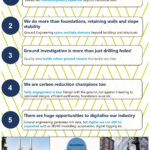
The AGS Early Careers Poster Competition is back for a third year and this time, we want to hear your top five takeaways since joining the geoscience industry.

Whether you work on site, in the office or somewhere in between, we’d like you to design an eye-catching poster which showcases your top five industry insights that others should know about. These learnings could be focused on:

  • Site-based experiences
  • Safety challenges
  • Office or project management know-how
  • Lessons from training, meetings or mentoring
  • Networking and industry engagement
  • Unexpected discoveries

Your poster should be bold and colourful and aim to inspire both industry professionals and those entering the industry.

The winner will receive a £100 Amazon Voucher, free entry to the AGS Annual Conference on 19th March 2026 in London and have an interview regarding their winning entry published in AGS Magazine which reaches over 7,600 industry professionals six times a year. Ten runners up will win free entry into the Annual Conference.  All posters submitted will be displayed at the Annual Conference.

To enter, email your A4 poster alongside your full name and company to ags@ags.org.uk before Friday 30th January.

ENTRY INFORMATION

Posters should be submitted in a high resolution (300dpi), A4 format and can be created by any means, from drawing by hand, utilising photography, to computer-generated artwork.

Entrants should have no more than 10 years industry experience.

Please note that all submitted posters will be printed and displayed at the AGS Annual Conference.

To enter, please email your poster alongside your full name and company to Caroline Kratz at ags@ags.org.uk with the subject title ‘AGS Poster Competition’. The deadline for entries is Friday 30th January at 9pm.

ABOUT THE AGS ANNUAL CONFERENCE

The Annual Conference is the flagship event in the AGS’ calendar. Taking place on 19th March at One Great George Street in London, the event will see over 240 geotechnical and geoenvironmental professionals in attendance.

For further information and to register click HERE or email ags@ags.org.uk

Article

Reviving the Wild in the River Blythe

- by
Tags: Featured

The AGS has been supporting Projects for Nature, an initiative that aims to restore nature recovery in the UK, since 2024. Over the past year, the association has donated almost £6,400 to the Midlands Wild Revival fund which aims to revive wildlife on the River Blythe in Warwickshire.

This article, written by Emily Reilly who works for the Warwickshire Wildlife Trust, explains the progress made to the project so far and how the donation has been used.

The River Blythe Site of Special Scientific Interest (SSSI), extending 45 km through the heart of Warwickshire, is a prime example of a river needing our help to recover from historic human interventions. Artificially straightened, widened, dredged and depleted of nature, the Blythe has suffered in the past. But now, Warwickshire Wildlife Trust are restoring natural processes and bringing wildlife back to the Blythe.

Through the Midlands Wild Revival project, Warwickshire Wildlife Trust are working with landowners, farmers and local communities to restore key sections of the river Blythe to a healthier condition. Positive interventions are being carried out to put meanders back into the Blythe, reconnect the river to its surrounding floodplain, and restore habitats for wildlife along its course.

Natural Flood Management (NFM) techniques are being used bring back features to the river that should occur naturally. Berms and flow deflectors have been installed to re-meander the river, directing water flow back into a wigglier, more variable state. Scrapes and ponds have been created on the floodplain, utilising pieces of un-farmed land to increase flood storage capacity along the river and create fantastic wetland and riparian habitat for plants, invertebrates and wading birds. Tens of thousands of native trees have been planted to enhance biodiversity, reduce soil erosion and restore hedgerows and islands of scrub for wildlife. Large areas of land have been seeded with wildflowers for pollinators.

The positive impacts of river restoration on the Blythe are being seen already, with native wading birds using newly created wetland scrapes, the shape and flow of the river improving where interventions have taken place, and newly restored hedgerows providing valuable habitat for birds and small mammals.

And this is only the start. The ultimate ambition for the Blythe is to continue to restore the river and eventually redefine Warwickshire’s landscape. To create a haven for wildlife where nature can thrive and give people the opportunity to connect with Warwickshire’s nature in ways that, for many, haven’t yet been possible. Warwickshire Wildlife Trust have been laying the groundwork for the rewilding of 750 acres of land along the Blythe since 2021 and are now taking the leap into rewilding history.

The funding support provided to the Midlands Wild Revival project from AGS is essential in helping us carry out this vision. Via Projects for Nature, a Crowdfunder initiative formed by The Council for Sustainable Business, Accenture, Defra, Natural England and the Environment Agency, donations from AGS are helping to continue Warwickshire Wildlife Trust’s work to restore natural ecological processes, improve climate resilience and move towards a more biodiverse landscape along the river Blythe SSSI.

The restoration and rewilding of the river Blythe is an ongoing process, and much work remains to be done. The progress made so far is a hopeful sign of what can be achieved when communities, conservationists, and supporters work together to heal and restore our natural waterways. As the Blythe slowly returns to a more natural state through continued restoration, we can ensure that future generations of people and wildlife will benefit from this vital watercourse.

More information about the Midlands Wild Revival project can be found at: https://www.projectsfornature.com/p/midlands-wild-revival

Image credit Ian Owen 2024