Posts by Katie Kennedy

News

AGS Magazine: November 2025

- by
Tags: Featured

The Association of Geotechnical and Geoenvironmental Specialists is pleased to announce the November 2025 issue of their publication; AGS Magazine. To view the magazine click here.

This free, publication focuses on geotechnics, engineering geology and geoenvironmental engineering as well as the work and achievements of the AGS.

There are a number of excellent articles in this issue including;

  • AGS Photography Competition 2025: Winners – Page 4
  • Interpreting Historical Soil Data: Analytical Challenges and Evolving Methods – Page 20
  • Geotechnical & Geoenvironmental Industry Accident Statistics 2024 – Page 28
  • Material Management Plans (MMP) – Page 34
  • Increasing and emerging environmental disputes – Page 38

Plus much, much more!

Advertising opportunities are available within future issues of the publication. To view rates and opportunities please view our media pack by clicking HERE.

If you have a news story, article, case study or event which you’d like to tell our editorial team about please email ags@ags.org.uk. Articles should act as opinion pieces and not directly advertise a company. Please note that the publication of editorial and advertising content is subject to the discretion of the editorial board.

Article Safety

Geotechnical & Geoenvironmental Industry Accident Statistics 2024

- by
Tags: Featured

Continued data sharing with the AGS into 2024 not only reinforces the importance of transparency but also enhances the industry’s shared understanding of safety performance. As more organisations participate, the resulting datasets will provide a valuable basis for collaboration across the geotechnical and geoenvironmental sectors, empowering targeted interventions and informed decision-making. This growing culture of reporting helps uncover hidden risks and promotes shared accountability. By embracing safety as a collective priority, the industry can progress beyond compliance, cultivating a proactive, learning-driven environment where wellbeing is central to operational excellence.

2024 Accident Incident Data

The data collected by the AGS highlights key safety patterns. Some entities show notably high volumes of hazard observations, which may reflect either strong reporting mechanisms or areas of elevated risk. Consistently high levels of minor injuries, near misses, and hazard reports in certain areas suggest an increased exposure to risk or a robust internal reporting culture. Meanwhile, spikes in near misses and minor injuries elsewhere point to opportunities for focused safety interventions. On the opposite end, some reporting environments show minimal incidents across all categories. This could indicate genuinely low-risk conditions or potential gaps in reporting behaviour.

To facilitate the evaluation against HSE statistics and ensure consistency with industry standards as reflected in last year’s published data, the same two accident incident rate metrics have been applied in calculating the 2024 figures;

Accident Incident Rate (AIR) – (number of RIDDOR reportable accidents / average workforce headcount) x 100,000.

Accident Frequency Rate (AFR) – (total number of harm accidents / total number of hours worked) x 1,000,000.

AGS AIR Analysis

An analysis of Industry AIR across varying contractor sizes from 2021 to 2024 reveals critical insights into workplace safety practices and reporting behaviours. Small contractors, employing 1 to 10 individuals, recorded zero RIDDOR Reportable incidents throughout the four-year period. It is worth noting that the AIR calculation does not include the single fatality involving one of the smaller contractors. Medium-sized firms (11 to 100 employees) displayed striking volatility, with sharp peaks in 2021 and 2023 but no reported data in 2022 or 2024. This inconsistency raises questions about engagement levels and potential systemic gaps. Large contractors (101 to 1,000 employees) maintained a steady presence, contributing moderate incident rates year after year and suggesting more robust reporting mechanisms. Very large contractors (1,000+ employees) exhibited a gradual increase, starting from low and rising incrementally, possibly indicating progress in internal accountability. While medium contractors registered the highest average incident rate across the period, the persistent silence from smaller firms points to an urgent need for improved safety visibility and inclusive reporting practices.

AGS AFR Analysis

From 2021 to 2024, Industry AFR’s varied significantly across contractor sizes. Medium-sized contractors (11 to 100 employees) consistently recorded the highest rates, averaging 40.02, with a peak of 44.78 in 2022. Large contractors (101 to 1,000 employees) maintained the lowest and most stable rates across all years, averaging just 9.71, suggesting stronger safety systems or controls. Very large contractors (over 1,000 employees) showed irregular performance, spiking in 2022 before stabilising, while small contractors (1 to 10 employees) exhibited inconsistent reporting, with a surprising drop to zero in 2023 and a four-year average of 18.15. These trends highlight a need to strengthen safety practices among medium-sized firms and improve support for both very small and very large organisations.

When comparing the AIR to the AFR for 2024, the most striking takeaway from the visual data is the 76% marked decline in the number of serious incidents relative to 2023. At the same time, a 41% rise in reported minor injuries suggests that safety interventions are gaining traction and that reporting practices have improved significantly. Together, these shifts point to meaningful progress in both the implementation and documentation of workplace safety measures.

That being said, only 68.57% of the AGS survey data responded “Yes” to capturing both positive and negative observations or hazard spots, suggesting just two-thirds of organisations actively engage in monitoring and recording workplace safety behaviours and conditions. 31.43% of organisations either do not capture this type of data or have failed to confirm they do, and only 27% of small companies have responded “Yes”. These figures also reinforce the need for tailored support for very small companies and self-employed businesses, where current engagement appears especially limited.

‘There is a clear opportunity to strengthen safety culture and improve reporting systems across the sector.’

The Construction Industry

Non-Fatal Workplace Injuries – In the latest reporting year, 4,050 non-fatal injuries to employees in the construction industry were documented by the HSE, with 2,518 classified as reportable under RIDDOR. These injuries typically involve incidents that result in hospitalisation for more than 24 hours or an inability to work for seven consecutive days. Slips, trips, or falls emerged as the most common cause, accounting for 972 cases (24% of all non-fatal injuries) and contributing to 20% of reportable incidents. Falls from height followed closely with 807 cases (20%), responsible for 12% of all reportable injuries. Manual handling, lifting, or carrying led to 742 injuries (18%) and represented the largest single contributor to over-7-day absences (25%). Other notable categories included injuries caused by moving objects (481 cases, 12%) and contact with machinery (261 cases, 6%), both associated with extended recovery periods.

Fatal Workplace Injuries – Recent HSE data on fatal workplace injuries reveals enduring safety challenges in high-risk sectors, particularly among self-employed workers. Of the 51 recorded fatalities, 28 involved self-employed individuals. Falls from height were the most frequent cause, accounting for 31 fatalities, with nearly two-thirds affecting those who work independently. Other significant risks included being struck by moving vehicles and incidents involving collapse or overturning of structures, both disproportionately impacting the self-employed.


Key Concerns

While the recorded fatality count across the AGS organisations remains low, with only one fatality documented, the prevalence of minor injuries, near misses, and hazard observations indicates persistent underlying risks in workplace environments. Several organisations show zero or near-zero reporting across all safety categories, raising flags around potential underreporting, disengaged safety cultures, or gaps in audit structures. Additionally, while hazard observations are frequently high, environmental incidents remain comparatively low across most organisations, pointing to either successful hazard mitigation strategies or limitations in how environmental risks are captured and classified.

Our own analysis of the Accident Incident Rate (AIR) data highlights a pressing concern: smaller companies, often comprised of self-employed individuals, show significantly weaker safety outcomes. This disparity underscores the urgent need for targeted interventions to improve safety standards and support within this group.

Industry Safety Culture

The Safety Triangle has been used to evaluate organisational safety culture and demonstrate the proportional relationship between incident types. Its application supports consistency in statistical reporting across multiple years. According to the model, for every fatality, there are approximately 10 lost workday cases, 30 minor injuries, 600 near misses, and an estimated 300,000 unsafe behaviours, highlighting the importance of addressing lower-tier events to prevent serious outcomes.

The following graphic compares the Safety Triangle with real-world data provided by the AGS, highlighting key differences in incident ratios and reporting trends:

The contrast between the theoretical safety pyramid and the AGS data highlights both consistency and deviation. While the core principle remains valid (serious incidents often arise from a wider foundation of less severe occurrences), the ratios in the AGS dataset are notably more condensed. In place of the traditional model’s 600 near misses and 300,000 unsafe acts leading to a single fatality, the AGS data triangle presents just 470 near misses and 13,280 at-risk behaviours. This difference further highlights the ongoing need to improve how unsafe acts and near misses are reported across the industry.

‘Consistent and comprehensive documentation of At-Risk Behaviours and Near Misses remains an area requiring attention’.

AGS and BDA Collaboration

The AGS and BDA, recognised as two key bodies in the ground investigation sector, are enhancing their partnership – an encouraging development marking a step forward in industry-wide collaboration. When benchmarking safety outcomes, it is important to recognise the differences between their datasets.

  • BDA members are primarily operational drilling contractors, working in environments that involve mobile plant, variable site conditions and manual labour, all of which carry higher inherent risk.
  • In contrast, AGS membership encompasses a broader spectrum of the geotechnical and geoenvironmental sector, including organisations often operating in lower-risk, office-based or controlled settings.

This distinction contributes to the lower AIR and AFR figures reported by the AGS. While this data shows stronger trends in minor injury and hazard reporting and indicates a more developed reporting culture in some areas, the reduced use of heavy plant makes direct comparisons with BDA data challenging. These differences highlight the need for more specific benchmarks to ensure fair and meaningful evaluation across the industry.

Currently, 22% of AGS members are contributing to data sharing initiatives. While overall membership has grown, this marks a 5% decline in participation compared to 2023 figures. This shortfall underscores the urgent need to expand data sharing efforts, not just for broader engagement, but to strengthen the accuracy and reliability of industry-wide datasets. Enhanced participation is critical to improving the precision of statistical analyses, which in turn adds meaningful value to reported figures. With more robust and representative datasets, the industry can better identify and respond to specific health and safety challenges, accelerating targeted interventions and fostering more consistent, data-driven reporting standards.

Summary

The 2024 accident statistics for the geotechnical and geoenvironmental industry reveal encouraging progress in safety reporting and intervention. Serious incidents have dropped by 76% since last year, while minor injury reporting rose by 41%, suggesting improved engagement and transparency. However, disparities persist, particularly among small contractors and self-employed workers, where underreporting and elevated risks remain concerns. The data provided highlights the need for stronger safety cultures and tailored support across all contractor sizes.

Article provided by Rachael Parry TechIOSH CMgr MCMI, Geotechnical Engineering Ltd Operations Support Manager

Article

AGS Photography Competition 2025: Celebrating Creativity in Geoscience

- by
Tags: Featured

In May 2025, the AGS proudly launched its fifth Photography Competition, this year expanding the challenge with five categories to enter.

The response from our community was plentiful, with 47 entries submitted all showcasing the breadth and creativity of our industry across our five categories:

  • Technology in Geotechnical Engineering
  • Environmental and Sustainable Practices
  • People in Geosciences
  • Geotechnical Landscape
  • Safety and Risk Management

Our expert judging panel, Alex Lee (AGS Chair, HKA), Vivien Dent (AGS Past Chair, Environment Agency), Bradley Falcus (Central Alliance), Jonathan Gammon (AGS Past-Chair and Honorary member), and Steve Hodgetts (AECOM), faced the tough task of scoring submissions against originality, composition, technical quality, visual impact, and category relevance.

The overall competition winner and winner of the Technology in Geotechnical Engineering category was presented to Ian Rankin (Card Geotechnics Ltd (CGL)), who won a £100 Amazon voucher.

The category winners were Phill Case (Lankelma) for the Environmental and Sustainable Practices category, Kushal Saha (COWI UK Limited) for the Geotechnical Landscape category, Matthew Owen (John Grimes Partnership Ltd) for the People in Geosciences category and Bronwen Smith (SLR Consulting Ltd) for the Safety and Risk Management category. Phill, Kushal, Matthew and Bronwen all won a £30 Amazon voucher.

The AGS would like to extend a huge thank you to everyone who entered. The competition continues to highlight not only the technical excellence within our field, but also the creativity and passion of those working across geotechnical and geoenvironmental engineering.

OVERALL WINNING IMAGE AND WINNER OF THE TECHNOLOGY IN GEOTECHNICAL ENGINEERING CATEGORY

Ian Rankin, Card Geotechnics Ltd (CGL)

Image Description: A recently installed remotely connected tilt sensor and solar panel gateway equipment installed on a remote Scottish hillside. This equipment is used to transmit the tilt sensor data to our web portal where we monitor over 50 sensors across the hillside as part of an ongoing slope stability assessment.

WINNER OF THE ENVIRONMENTAL AND SUSTAINABLE PRACTICES CATEGORY

Phill Case, Lankelma

Image description: A hybrid electric tracked crawler (UK23) in the Finish winter working on a Tailings Reservoir as part of GISTM works.

WINNER OF THE GEOTECHNICAL LANDSCAPE CATEGORY

Kushal Saha, COWI UK Limited

Image description: Breathtaking, stunning visuals of a civil engineering masterpiece that reshapes transportation through the heart of the Yorkshire Dales National Park. Captured inside Blea Moor Tunnel, this photograph showcases dramatic lighting, rugged brickwork, and the captivating geometry of the tunnel’s rail-lined passage.

WINNER OF THE PEOPLE IN GEOSCIENCES CATEGORY

Matthew Owen, John Grimes Partnership Ltd

Image description: Annual rope access inspections and scaling at Sidmouth, Devon. The inspections include the removal of loose rock, debris and vegetation with penetrative roots to mitigate the risk of rockfalls onto the public promenade below, which is closed to the public for during the works.

WINNER OF THE SAFETY AND RISK MANAGEMENT CATEGORY

Bronwen Smith, SLR Consulting Ltd

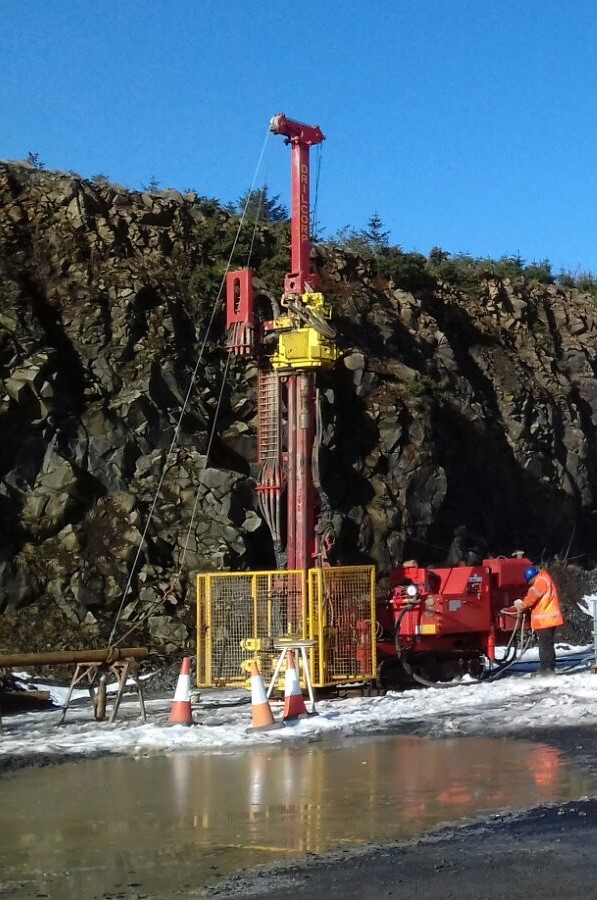
Image description: The photo shows my set up with my drillers from Geotechnical Engineering Ltd at a petrol station. We have a spill kit under the rig in case of an accident, the waste water from flushing is stored downgradient of the rig, the cage is kept shut, and just out of the picture the forecourt was marked up with safe stand offs from the filling points. The driller in the picture is wearing all the correct PPE whilst writing notes in his drill log before we start works.


Article Business Practice

AGS Careers Flyer: Securing the Future of Geoscience

- by
Tags: Featured

We recently conducted a comprehensive survey of our membership to gain insights into the future direction of the AGS and to identify the key risks and challenges facing our industry. One recurring theme was the concern over the skills shortage and the sharp decline in geoscience qualifications at both Further and Higher Education levels.

This trend poses a significant threat to the long-term sustainability of our sector. Without a steady pipeline of qualified geoscientists, we risk falling behind adjacent disciplines such as Civil Engineering and Materials Science.

To address this, we have launched a new initiative designed to inspire the next generation. The AGS Early Careers Flyer introduces students—both in the UK and internationally—to the diverse and rewarding career opportunities within geoscience. It highlights the variety of roles available and encourages early engagement with the AGS and other professional bodies, ideally before students make critical decisions about their academic and career pathways.

We know many organisations already take part in careers events to promote their businesses. Now we are asking our members to go one step further: help us raise awareness of geoscience as a profession by distributing the AGS Early Careers Flyer at these events. Together, we can amplify our reach and spark interest among students who may not yet have considered this field.

The word most commonly used to describe the AGS in our survey was “collaborative.” By working collectively, we can ensure geoscience remains a vibrant, competitive, and forward-looking profession.

Let’s continue to build on that spirit of collaboration to drive meaningful change and secure a strong future for our industry.

Article by Bradley Falcus, Principal Administrator, Central Alliance


Article Contaminated Land

Interpreting Historical Soil Data: Analytical Challenges and Evolving Methods

- by
Tags: Featured

For an increasing number of sites, previous site investigation data can provide information on the ground conditions, potential contamination and liability. In addition to considering how a site has changed and how the contamination may have moved (e.g. through leaching) or transformed (e.g. by biodegradation), it is essential to understand the limitations of the original data itself. This article considers the changes in practices for soil chemical data in particular laboratory analysis, as shown in Figure 1.

Figure 1 A timeline of key developments relating to lab analysis and risk assessment

Laboratory Quality Standards

Before 2003, ISO/IEC 17025 (introduced in 1999, replacing ISO Guide 25) required laboratories to follow a written methodology for testing and calibration (typically based on British or international standards). There was no UK performance standard for soil analysis. While Proficiency Testing (PT) schemes, such as CONTEST, were in place for the interlaboratory comparison of soil data, not all laboratories participated. There was thus no clear way to determine the quality of laboratory results. In 2003, the Environment Agency’s (EA) Monitoring Certification Scheme (MCERTS) was introduced. MCERTS builds on ISO/IEC 17025 by establishing additional technical requirements that laboratories are required to meet.

This was a significant change that encouraged laboratories to establish performance characteristics over the next few years to ensure analytical procedures were suitable for use, but it should be noted, does not guarantee consistency between different laboratories.  MCERTS is applicable where laboratory results are generated and submitted to the EA for regulatory purposes. MCERTS was developed and implemented by the Environment Agency, in collaboration with the United Kingdom Accreditation Service (UKAS), to deliver quality environmental measurements.

Soil Sampling and Preparation

BS 10176

Sampling methods for soil bulk testing have been broadly unchanged. However, one material change relates to losses of Volatile Organic Compounds (VOCs) from soils during sampling. It is now recognised that the conventional bulk sampling method can result in 90% to 99% loss of VOCs prior to laboratory analysis (Nathanail 2021). While VOC losses through volatilisation and biodegradation have been known to occur for a long time, adoption of processes to improve sampling, as detailed in BS 10176, has only recently been introduced to the UK.

Sample preparation at the lab

A key reason for a difference between laboratories is sample preparation. For instance, some laboratories sieve and remove material above 2mm, some remove material above 10mm, and some crush the whole sample. Analysing materials of different sizes can affect the results.   This remains a source of uncertainty when comparing results. Previous AGS magazine articles (On Stoney Ground Re-Visited 2020) have highlighted the need to thoroughly review the procedures for preparation and extraction when comparing data from two laboratories.

The Analysis Procedures that are Broadly Unchanged

Concerning the analytical methods themselves, analysis for inorganics has not changed significantly:

  • Metals were in the past generally analysed by Inductively Coupled Plasma (ICP) coupled with optical emission spectroscopy, mass spectrometry or by atomic fluorescence
  • Colourimetry was used for hexavalent chromium, ammonium and cyanide
  • Electrochemical probes used for pH

Recently, laboratories are moving towards using ion chromatography (IC) methods to determine hexavalent chromium. The use of IC provides better detection limits and the method is less susceptible to interference. 

For organics, analytical techniques for some substances have not changed substantially since the early 2000s.   This applies to VOCs and Semi-Volatile Organic Compounds (SVOC) using Gas Chromatography with Mass Spectrometry (GC-MS). The 16 speciated Polycyclic Aromatic Hydrocarbons (PAHs) were carried out using GC-MS or Gas Chromatography with Flame Ionisation Detection (GC-FID).   The latter has fallen out of favour as it struggles to distinguish between benzo(b)fluoranthene and benzo(k)fluoranthene.  Such data should be treated with caution given the limitations of GC-FID analysis for specific PAHs.

Analysis that has been Phased Out

Solvent extractable material

In the late 1990s and early 2000s, only crude screening methods for organics were used. These methods were initially named after the solvent (e.g. Toluene extractable material (TEM)) but as toluene was phased out laboratories used a solvent mixture to mimic the polarity of toluene, and the test became known as solvent extractable material (SEM).   This analysis would include heavier organics that are typically found in the SVOCs and TPH suites. Their lack of specificity makes interpretation of the results extremely difficult. Some refinements to this analysis involved the use of thin layer chromatography (TLC) combined with an FID to split the solvent extract into three fractions: non-polar (mineral oil), semi-polar (aromatics) and polar organics (heteronuclear nitrogen, sulphur and oxygen-containing organics (NSO) and resins including asphaltenes).

Total PCBs

Early total methods for analysis of Polychlorinated Biphenyls (PCBs) were non-selective.  Although the techniques used have not changed significantly, there has been a change in what is measured and reported, for example, the concentration of specific “Arochlor” mixtures. Here, Arochlor refers to a common trade name for PCBs. PCB mixtures were named according to their chlorine content, Arochlor 1254 containing 54% chlorine by weight, and Arochlor 1260 containing 60%.

Laboratories moved towards measuring individual PCB compounds (or “congeners”) including suites of dioxin-like PCBs (World Health Organisation 12 PCBs) typically used in Human Health Risk Assessment. It should be noted these PCBs are not the most commonly occurring and only account for approximately less than 4% of the congeners produced. The PCB 7 suite originated from the list of PCBs by the International Council for the Exploration of the Sea (ICES). It later became a requirement for Waste Acceptance Criteria testing and therefore widely adopted by all labs. These 7 PCBs also only make up approximately 20% by weight of commercial mixtures.  More recently, High Resolution Mass Spectrometry (HRMS) methods allow for lower detection limits in comparison to GC-MS and are able to better resolve PCBs that are structurally similar.

Analysis with Significant Changes

Asbestos

Prior to the introduction of the Control of Asbestos Regulations (CAR) in 2012, analysis of asbestos in soil was conducted as a visual screen. In particular, screens for asbestos were focused on identifying bulk asbestos within the soil, rather than small fragments and free fibres. The analysis was thus not very sensitive.   Between 2012 and 2014, UKAS was to require laboratories to move towards a more sensitive method to include looking for loose fibres using microscopy and for even smaller fibres using Phase Contrast Optical Microscopy (PCOM). It is not uncommon for soil screened for asbestos before 2012 to now be shown to contain asbestos.  Participation in PT schemes such as Asbestos in Soils Scheme (AISS), Asbestos in Materials Scheme (AIMS) and RICE (fibre counting) allows laboratories to monitor and improve the quality of their measurement results in terms of accuracy and comparability.

Total Petroleum Hydrocarbons (TPH)

The analysis for TPH has changed over time. In 1998, in the US, the TPH Criteria Working Group (TPH CWG) developed a method for separating hydrocarbons into aromatic and aliphatic fractions, and then subdividing these into carbon bands. This TPH CWG approach was then modified for the UK (EA, 2005) and extended to consider the work of the American Petroleum Institute (API) on heavier hydrocarbon fractions. The intention has been to ensure standardisation when assessing TPH risk in UK soils.

Until recently, TPH analysis was carried out using GC-FID. This analysis provided:

  • Light hydrocarbons (sometimes called petrol or gasoline range organics (PRO or GRO) or Volatile Petroleum Hydrocarbons (VPH)). The carbon range varied but was typically C5-C12 or C5-C10 and included benzene, toluene, xylene and ethyl benzene (BTEX).
  • Hydrocarbons in the semi-volatile organic range variously referred to as EPH Extractable Petroleum Hydrocarbons (EPH) or Diesel Range Organics (DRO). Again, the carbon range varied but may start as low as C8 or C10 and rise to C44.

The removal of indigenous non-hydrocarbon polar organic compounds (such as humic acids) commonly found in soils involves the use of clean-up techniques.  These compounds are retained on the column and not eluted with the aliphatic or aromatic component fractions. This ensured a broadly similar procedure for clean-up between most of the laboratories.

More recently, laboratories have looked toward using Comprehensive two-dimensional gas chromatography (GCxGC-FID) for analysis of TPH. GCxGC analysis employs two chromatography columns with different separation mechanisms.  The conventional boiling point separation is maintained in the first dimension while aliphatics and aromatics are separated in the second dimension in a single run.  Using GCxGC-FID, classes of hydrocarbons are ordered in well-defined bands.  Biogenic compounds elute in a specific area of the chromatogram. Laboratories have each developed methods to “clean-up” the sample using software to exclude this area from the reported TPH results. This can lead to variation and inconsistency particularly where labs are not carrying out any form of clean-up.

Oral Bioaccessibility of Metals

Methods to assess the proportion of metals available for absorption into the body following ingestion are known as a metal’s oral Bioaccessibility.  A Physiological Based Extraction Test (PBET) was first developed in 1998 by the British Geological Survey (BGS), which involved simulating the leaching of a solid matrix in the stomach and small intestine. For lead, it was found that only the stomach phase extraction was required to assess oral bioaccessibility and the Simplified Bioaccessibility Extraction Test (SBET) was developed with this single stage.

With the introduction of the Contaminated Land Exposure Model (CLEA) model in 2003, these methods became a popular way to further assess the risks from metals (particularly lead and arsenic) for those carrying out detailed quantitative risk assessments.  In 2011, a pan-European group, the “Bioaccessibility Research Group of Europe “ (BARGE), carried out an inter-laboratory trial of a proposed harmonised in vitro physiologically based ingestion bioaccessibility procedure for soils, called the Unified BARGE Method (UBM). The UBM method now includes an initial saliva phase and simulated stomach and intestine compartments.  BS ISO 17924 is based on the UBM method.  It has in-vivo validation for arsenic, cadmium and lead.  More recent methods (BS ISO 8259) have been developed or are currently in the drafting stages (BS ISO 7303).

There are several tests available that have been developed for soil ingestion to estimate bioaccessibility.  Preference in selection should be given to those that have in-vivo validation data for specific contaminants of concern.

Emerging Contaminants

Per- and polyfluoroalkyl substances (PFAS) have been the focus of much attention in recent years. However, analysis of these substances in the UK was not commonplace until after the Buncefield fire in 2005. Testing initially focused on perfluorooctane sulfonic acid (PFOS) and perfluorooctanoic acid (PFOA) before more extensive suites were established over time.  PFAS might have been present on many sites previously investigated but analysis was either not carried out or only a limited PFAS analytical suite will have been used.

Conventional PFAS analysis is carried out using liquid chromatography coupled with tandem mass spectrometry (LC-MS/MS).  Only a relatively small fraction of known PFAS can been measured via targeted chemical analysis and many more PFAS are likely to occur in the environment than are routinely analysed.  Nor does this approach account for precursors that can transform over time to more regulated perfluoroalkyl acids (PFAAs).  Non-target methods such as Total Oxidisable Precursor Assay (TOP Assay), Combustion Ion Chromatography (CIC) and High Resolution Mass Spectrometry (HRMS) can assist in understanding the fluorine mass balance (to determine whether targeted methods account for the mass of PFAS).

Summary

As knowledge has improved about exposure and toxicological of contaminants so have testing methods needed to evolve.  Technological advancements have led to lower detection limits, increased suites of analytes and use of automation as well as analysis of more complex matrices.  Interpretation of historic lab analysis requires careful review and understanding of the limitations of previous methods and practices.  Even current suites will require addition site-specific testing should failures be observed or identified during due diligence.

References

ISO/CD 7303, Simplified method for oral bioaccessibility of metal(loid)s in soils

BS ISO 8529, Soil quality – Bioaccessibility of organic and inorganic pollutants from contaminated soil and soil-like material

BS EN ISO/IEC 17025, General requirements for the competence of testing and calibration laboratories

BS ISO 17924, Soil quality – Assessment of human exposure from ingestion of soil and soil material – Procedure for the estimation of the human bioaccessibility/bioavailability of metals in soil

BS 10176, Taking soil samples for determination of volatile organic compounds (VOCs) – Specification

ENVIRONMENT AGENCY. The UK approach for evaluating human health risks from petroleum hydrocarbons in soils. Science Report – P5-080/TR3. Bristol: Environment Agency, 2005

ENVIRONMENT AGENCY. Performance standard for laboratories undertaking chemical testing of soil. Bristol: Environment Agency, 2023

ENVIRONMENT AGENCY. Performance standard for organisations undertaking sampling and chemical testing of water. Bristol: Environment Agency, 2024

NATHANAIL P. Taking Soil Samples for the Determination of Volatile Organic Compounds. AGS Magazine 2021

PLIMMER, M. On Stoney Ground Re-Visited. AGS Magazine 2020

Total Petroleum Hydrocarbons Criteria Working Group (TPHCWG) Series: Volume 1: Analysis of Petroleum Hydrocarbons in Environmental Media (TPHCWG, 1998a) Amherst, MA: Amherst Scientific Publishers.

WRAGG, J., CAVE, M., TAYLOR, H., BASTA, N., BRANDON, E., CASTEEL, S.,

GRON, C., OOMEN, A., REIMER, K., TACK, K. and VAN DE WIELE, T. An inter- laboratory trial of the unified BARGE bioaccessibility method for arsenic, cadmium and lead in soil. Science of the Total Environment, 2011; 409 (19): 4016–4030.

Article provided by Barry Mitcheson, WSP and Geraint Williams, HKA Global

Article Loss Prevention

Increasing and emerging environmental disputes

- by
Tags: Featured

The AGS Loss Prevention Working Group is looking into the business risks and legal issues associated with the emerging climate change and environmental issues affecting AGS members.  The implications of these issues are already being felt in the planning and delivery of infrastructure and capital projects and as a consequence there has been a rise in disputes.

This AGS Magazine article outlines these emerging issues and the LPWG proposes to look in more detail at particular issues in future magazine articles and AGS documents.  Its aim is to help members understand how disputes arise and how to avoid them.  The discussion below is based on a recent article written by Alex Lee, AGS Chair, for HKA’s ‘Crux insight newsletter’ which summarises the latest trends in increasing and emerging environmental disputes.  HKA Global Ltd, an AGS member organisation, conducts annual surveys of emerging areas of litigation in the construction sector.

The LPWG would welcome any comments on commercial / contractual / legal issues regarding climate change and the environment, or examples from members’ experiences, to help direct the Group to review those topics of most interest.

Disruption related to climate change – adverse weather impacts

Unpredictable weather can lead to extended project timelines, particularly for projects on exposed sites or covering large areas.  Extreme heat is now affecting UK industries where workers are exposed to the elements.  Disruption of global supply chains, which have led to claims over late deliveries on around one in 10 projects, is often caused by natural events.

Parties have been invoking force majeure clauses to avoid liability for disruption caused by unpredictable weather, but establishing if the burden was beyond a party’s reasonable control can be complex and challenging.  As extreme events become more frequent contracting parties need to focus on how contracts define responsibility under force majeure.

Unforeseen contamination is a traditional source of dispute

Pressure from project promoters to start works early and speed completion compresses the pre-construction phase, which can lead to poorly conducted environmental due diligence and site investigation.  This can lead to project delays and legal disputes when unexpected contamination is found.

This also increases the likelihood of pollution incidents which may breach statutory rules and lead to civil disputes involving damages for common law nuisance or negligence, and contract breaches.

Designers need to take account of the effects of extreme weather, for example flooding, high winds and on material selection.

Emerging contaminants are increasing

Lawsuits related to alleged exposures to ‘forever chemicals’ are increasing. These per- and polyfluoroalkyl substances (PFAS) are a diverse and large group of synthetic organic chemicals, commonly used in the construction industry.  PFAS are persistent in the environment and hard to remediate.  Site construction on brownfield sites can mobilise PFAS and introduce new pathways for exposure and receptors.  Plumes can travel further than with conventional hydrocarbon contamination.

Regulatory guidance on PFAS is evolving as awareness of PFAS-related risks increases.  The concentration levels at which these chemicals are deemed safe has been decreasing.

There may be gaps in a site’s historical records, and developers can face significant extra costs if these chemicals are unexpectedly found.  PFAS related insurance claims are increasing, with increasing disputes regarding insurance cover and retrospective liability.  Liability and contractual indemnity clauses and should be carefully reviewed to ensure that any responsibility for PFAS related risks is clearly allocated.

Carbon footprints jeopardise planning consents

Increasingly, climate change is a material consideration in planning decisions, prompting challenges to new road, air and national infrastructure.

Evolving environmental litigation – greenwashing

Greenwashing by companies and governments is seen to project an eco-conscious image not supported by meaningful reductions in environmental impact.  As demand for environmentally friendly and sustainable goods and services has grown, so has the prevalence of greenwashing, whether of company credentials, products or services.  The risk of litigation against such misrepresentation remains high.  Companies must consider the rapidly evolving regulations in this area before making statements about the sustainability of their projects.

Biodiversity impacts raise regulatory risks

High-emission industries and those that cause severe or widespread damage to the environment will be targets for litigation under current and new legislation.  New biodiversity laws are already bringing government and the construction sector into conflict with a potential rise in biodiversity-related disputes in the construction sector.

Contract clauses requiring compliance with climate change and carbon reduction targets

Contracts are increasingly containing clauses requiring compliance with climate change and carbon reduction targets.  These are being included by governments and businesses to align national economies and commercial activities with sustainability goals and shifting towards a low-carbon economy.  These clauses may require the setting of greenhouse gas emission reduction targets, the monitoring and reporting of emissions, the implementation of carbon reduction plans, and the reduction of waste production and the increase of recycling and reuse.

Organisations drafting and signing contacts containing such clauses need to consider how the requirements can actually be achieved by their suppliers, how they can be legally enforced, and how they will be interpreted by the courts.  Organisations should consider a collaborative approach with their suppliers, particularly smaller businesses, and consider early communication, training and a collaborative approach.  Both parties to such contracts must stay updated and adapt to evolving standards.

Summary

Environmental litigation is poised to expand on these and other fronts.  Heightening public and political awareness, stricter regulations, and global efforts to deliver change are increasing scrutiny of infrastructure and capital projects and consequently the corresponding risk of litigation related to sustainability.

For now, traditional pollution, emerging contaminants and project delay cases continue to dominate.  Indemnity and insurance disputes are rising, as are claims over climate-related design failures.  Balancing environmental, economic and political pressures will be difficult for legislators (and others).  Developers may find getting planning consent for major infrastructure much harder.  Ultimately, more biodiversity disputes are anticipated, along with diverse cases over corporate governance.

The need to anticipate, investigate and mitigate these and other environmental risks can only increase.

If readers have any comments on the issues discussed, or examples from their experiences, then please pass them on to the AGS at ags@ags.org.uk

Article provided by David Hutchison, AGS Honorary member

Article

Material Management Plans

- by
Tags: Featured

What is a Materials Management Plan?

A Materials Management Plan (MMP) can allow the re-use of contaminated or uncontaminated soil, Made Ground and other material in earthworks without the requirement to go through the lengthy and costly process of obtaining an environmental permit.

Arisings generated by site levelling, foundation and basement excavations, road construction and utility service trenches can result in thousands of tonnes of surplus material being generated. In the case of brownfield projects, the off-site disposal of these surplus materials can be a significant cost item, as well as a non-sustainable option, and may impact a projects viability.

This Made Ground material may be considered as waste by the definition set out in the Waste Framework Directive (WFD) Directive 2008/98/EC of the European Parliament and of the Council of 19 November 2008 on waste and repealing certain directives (2008) meaning it must be handled in line with waste duty of care requirements and cannot legally be used again unless an environmental permit is issued, which can take several months and incur significant application costs.

The CL:AIRE Definition of Waste: Development Industry Code of Practice Version 2 (DoWCoP) (2011) was developed to provide a simplified process to enable the re-use of site-won materials (‘waste’ and non-waste), either on the site of origin, or on another nominated site (movement between sites) without the need for an Environmental Permit.

The CL:AIRE DoWCoP sets out four main principles for the use of materials as non-waste. The Materials Management Plan must contain sufficient information to demonstrate these requirements are met.

  1. Protection of Human Health and the Environment

Adequate assessment must be undertaken, and where necessary, protection or remediation measures must be specified. Any material that presents unacceptable risk of pollution of the environment or harm to human health it is likely to be classed as a waste, although it may be possible to update the design or treat the material (see point 2).

  1. Suitable for use

The material must be suitable for the intended use, particularly in terms of its chemical and geotechnical properties. Excavated materials that are suitable for use without requiring treatment are unlikely to be classed as a waste. Material requiring treatment, such as to alter chemical or physical/geotechnical properties will be classed as a waste, but once treated and suitable for use, will no longer be considered waste under an approved MMP.

  1. Certainty of Use

It must be demonstrated that the materials will actually be used and that the use is not just a probability, but a certainty.  The DoWCoP requires this is established at the outset, meaning any material excavated and stockpiled with no pre-defined destination or use will become a waste.

  1. Quantity of Material Required

Materials should only be used in the quantities necessary for that use, and no more.  The use of an excessive amount of material will indicate that it is being disposed of and is waste.

Is an MMP a legal requirement?

The Code of Practice (MMP) is voluntary and applies to England and Wales only. It is possible to demonstrate a material is not a waste outside of this CoP, or to allow re-use of ‘waste materials’ through specific Environmental Permits and agreement with the Environment Agency (EA).

The re-use of surplus soils without an Environmental Permit, Waste Exemption or MMP would be classed as an unauthorised deposit of waste (landfilling) which has legal ramifications and can result in HM Treasury applying landfill tax to the deposited material at the maximum rate.

Requirements on construction sites

An MMP is required if you intend to re-use brownfield soil arisings on your site, or if you intend to bring in clean greenfield soils from another development site.

In accordance with Chapter 1, Article 2 of the Waste Framework Directive article 2(c) states “uncontaminated soil and other naturally occurring material excavated in the course of construction activities where it is certain that the material will be used for the purposes of construction in its natural state on the site from which it was excavated” is exempt from the Waste Framework Directive, and therefore is not classed as a waste.

It will be prudent for sites meeting the above criteria to demonstrate that each criteria has been met, and this can be completed in the form of a written letter addressing each point.

When a client wants to progress with an MMP, it needs to be considered early on in the development scheme and needs to be in place and fully authorised by CL:AIRE BEFORE the excavation and stockpiling of material commences.

An MMP cannot be applied for retrospectively and so any arisings generated prior to an MMP being accepted by CL:AIRE, that are not covered by an existing Waste Exemption or Environmental Permit, will be classed as a waste and must be handled in line with waste duty of care requirements.

Managing soils on-site

Once the MMP is in place, it is important to ensure the soil re-use on-site is correctly managed and recorded.

Regardless of the complexity of your soil re-use, the principles of managing the soils remains the same.

  1. Plan

As well as having an MMP in place to demonstrate that soils are suitable to be re-used on-site, it is important to also have a plan on how soils will be tracked.

One of the most effective methods of tracking soils is to implement a grid-based system across the site. The grid squares can be as large or small as they need to be depending on the complexity of your site.

For example, if it is really important that soils from 1 corner of the site are only re-used in another small area, it would be better to have smaller grid squares. Whereas if you are only re-using clean materials, and they can be used anywhere on the site, it would be practical to have larger grid squares that represented close to the amount of soils that could be moved per day.

Once you have your grid system decided, you will also need to set up a tracking form to record where materials have arisen from, where they are stockpiled, and where they end up. You can also use this form to record any required testing, import tickets and disposal tickets. This form should be included as part of the MMP application.

  1. Track

The purpose of the tracking form is to clearly demonstrate where materials have come from, and where they have been placed.

To ensure soils are tracked the whole way through a project, it is key to decide who is going to be responsible for completing the tracking form.

  1. Drone surveys/Photographs

Using Drone surveys on-site is becoming more and more popular and is a great way of recording what is happening on-site at a given time. When you compare weekly drone photographs of the site, it is easy to see how things have evolved over time. You can use these images to document stockpiles and soil re-use, by annotating them and linking them back to the tracking form.

Recording movements on-site does not have to be as high-tech as using a drone though. The client might have weekly site meetings where they print out a large drawing of the site and draw on where the stockpiles are, what areas are completed, where soils are due to be cut etc. This method is just as effective.

The key with whatever method of tracking you use, is that it needs to be simple, and a small addition to the works the developers are already doing. It is very likely that they are already recording the information needed for managing soil reuse under an MMP.

  1. Audit

Throughout the soil movement phase of works, it can be helpful to have a 3rd party (eg the person preparing the verification report, but not completing the records) review the records to advise on the information that is being recorded, and to also offer guidance and advice of any problems that may have arisen.

It can be helpful to start the process with a pre-start meeting to discuss the requirements with all parties who will be involved on-site, and come up with the most appropriate tracking system for the site.

Verification & Reporting

Once all the soil movements are complete, you will need to “close out” the MMP with CL:AIRE, which can only be done by submitting a Verification Report.

The CL:AIRE DoWCoP sets out the following will be needed within a Verification Report:

  1. Appropriate site plans;
  2. Experience and qualifications of the person preparing the report in relation to the specific project;
  3. Description of the project;
  4. Description of how the use of materials links with the Remediation Strategy or Design Statement (which should be set out in the agreed MMP already);
  5. Reference to site investigation data if applicable (which should be set out in the agreed MMP already);
  6. Reference to risk assessments (including qualitative risk assessments) (which should be set out in the agreed MMP already);
  7. Reference to the MMP and associated tracking system, including alterations made and why;
  8. Suitable for use criteria;
  9. Treatment records (if applicable);
  10. Laboratory analysis (if applicable);
  11. Reference to waste transfer documentation, including return loads (if applicable);
  12. Signed delivery tickets (if applicable);
  13. Record of contingency arrangement(s) that had to be implemented;
  14. Record of quantity of materials used (this can be calculated using a pre-start and post completion topographic survey); and
  15. Copies of signed Declaration(s) by Qualified Person(s).

If you do not submit a Verification Report for your MMP, the project could be considered “non-Compliant” and the imported/excavated/reused material could potentially be considered as an illegal deposit. CL:AIRE may share such data with the EA / NRW and HMRC.

References

  1. Waste Framework Directive (2008) Directive 2008/98/EC of the European Parliament and of the Council of 19 November 2008 on waste and repealing certain directives
  2. CL:AIRE (2011) Definition of Waste: Development Industry Code of Practice Version 2

Article by Olivia Maxwell (Principal Geo-Environmental Consultant at Omnia Consulting)

www.omnia-consulting.co.uk

Article

London Build 2025

- by
Tags: Featured

The UK’s leading and largest construction show is back at Olympia London on November 19th and 20th, and it’s breaking all records!

London Build 2025 is bigger than ever, with more speakers, more topics, more exhibitors, and more attendees than any year before. The show has grown into the UK’s leading and most influential gathering for the built environment.

Over 38,000 attendees are expected this year, making it the largest edition yet. London Build 2025 will turn Olympia into a festival of construction, packed with live DJs, entertainment, interactive workshops, and networking parties. It’s set to be the most exciting mix of business, learning, and fun that the industry has ever seen.

London Build features the most diverse and ambitious conference agenda with 750 speakers across 12 CPD-accredited stages, including Housing & Real Estate, Skyscrapers & Tall Buildings, Architecture, AI & Digital, Modern Methods of Construction, Marketing, Sustainability, Fire Safety, Building Security and Diversity & Inclusion. There is something for everyone!
With over 450 exhibitors from leading suppliers across sustainability, digital construction, building materials, and design innovation, this is your one-stop shop for cutting-edge products and solutions.

Conference sessions not to miss!
● Building the UK’s Future: Government and Industry Collaboration to Meet Housing Targets
● Unlocking the Power of Data Management: Enhancing Collaboration and Project Efficiency
● Shaping a Circular Future for the UK’s Construction Industry
● The Role of Early Engagement in Navigating the Building Safety Act
● Meet the Architects, Contractors, and Developers Embracing Modular Construction
● Addressing The UK’s Housing Crisis: Delivering Sustainable Social Housing
● Delivery For Tomorrow: Innovative Technologies and Strategies Transforming MMC
● How AI Is Transforming Building and Energy Efficiency
● Breaking the Concrete Ceiling: Women Leading the Industry
● Designing Icons: What Makes a Skyscraper Stand The Test of Time?
● The Road To COP30: What’s Next for the Built Environment?

750+ Incredible speakers taking the stage, including:
● Miriam Ozanne, Regional Director, Building Performance – AECOM
● Joanna Gilroy, Group Director of Sustainability – Balfour Beatty
● Kim Sides, Executive Director Construction – BAM UK & Ireland
● Mark Blundy, Group Director of Health & Safety – Bowmer & Kirkland
● Angela Brockbank, Affordable Homes Sector Director – Galliford Try
● Jane Clay, Strategy Director, Principal – Gensler
● Rachel Smalley, Director of Inclusive Design – Jacobs
● James Franklin, Digital Twin Project Director – Kier Group
● Rossella Nicolin, Head of Sustainability – Europe – Laing O’Rourke
● Liz Blackwell, Group Head of Sustainability – L&Q Group
● Tim Carey, Design & C2P Director – Mace
● Michael Bacon, Digital Transformation Manager – Multiplex Construction
● Jamie Young, Head of Design Management – Morgan Sindall
● Louise Barr, Deputy Director – Construction Products Reform – Ministry for Housing, Communities and Local Government
● Tom Weller, Head of Building Safety – Persimmon Homes
● Alex Plenty, Head of Digital Construction – Skanska
● Milena Davis, Head of Early Careers – VINCI Building
● Bidisha Sinha, Associate Director – Zaha Hadid Architects

Attended by the UK’s entire construction industry, including senior reps from:
AECOM, Allford Hall Monaghan Morris, AtkinsRealis, Balfour Beatty, BAM Construct UK, Barratt Developments, BDP, Bellway Homes, Berkeley Group, Buro Happold, Enfield Council, Foster + Partners, Galliford Try, Greater London Authority, HOK, Homes England, HS2, Kier Group, L&Q Group, Laing O’Rourke, Mace, McLaren Construction, Morgan Sindall, Mott MacDonald, Network Rail, Sir Robert McAlpine, Sisk, Skanska UK, Transport for London, VolkerWessels UK, Wates Group, WilkinsonEyre, Willmott Dixon and Zaha Hadid Architects.

The latest innovation and live demos with 450 exhibitors, including:
Volker Wessels, HSS Hire, Etex (Siniat/Promat), Quelfire, Bull Products & Cygnus, Ecobat, Aeroseal UK, AI Skills Hub, Sherwin-Williams, Bradbury Group, Chelsea FC, Laing O’Rourke, Bull Products, Gleeds, Saint-Gobain Group, Armatherm, PWC, Southern Renewals, Smeg, Toyota, Howdens, Technal, Rockwool, Acrow Bridge, Hempel, Peel Ports Group, Enterprise/VolkerFitzpatrick, HS2, Chevron, Thermal Bridging Solutions, Rawlplug, Houzz Pro, Skanska, KuhnOdice, Hilti, Hempel, and Xpedion.

Event Details:
● Dates: 19th November (9:30 am – 5:30 pm) & 20th November (9:30 am – 5:00 pm)
● Venue: Olympia (Grand & National Halls), Hammersmith Rd, London W14 8UX
● Register: Visit www.londonbuildexpo.com to receive your free attendee pass and explore the full event programme.

Event

GE Awards 2026

GE Awards 2026
2026-06-1717th Jun 2026
JW Marriott Grosvenor House Hotel

The Ground Engineering Awards are back! Join us for the biggest night in the geotechnical calendar, the awards will bring the industry together to celebrate the very best achievements from across sector. Highlighting the amazing results from projects, people and businesses in the sector between January 2025 and January 2026.

This prestigious event highlights excellence in ground engineering, including the return of the acclaimed GE Workforce Awards categories.

It’s the perfect opportunity to showcase your business, stand out from your competitors, and recognise the hard work of your teams. With categories spanning innovative projects, technical excellence, and forward-thinking companies, all judged by an expert industry panel, the GE Awards are open to any business in the ground engineering sector.

Don’t miss out on the opportunity to elevate your company, celebrate your team, and gain recognition.

Submit your free entry before the 16 January 2026 deadline. 

For information, click here.

News

AGS Magazine: September 2025

- by
Tags: Featured

The Association of Geotechnical and Geoenvironmental Specialists is pleased to announce the September 2025 issue of their publication; AGS Magazine. To view the magazine click here.

This free, publication focuses on geotechnics, engineering geology and geoenvironmental engineering as well as the work and achievements of the AGS.

There are a number of excellent articles in this issue including;

  • Thank you to Vivien Dent – Page 4
  • Trial Pitting; Controlling the Risks – Page 14
  • Neurodiversity and disability in geotechnical and geoenvironmental engineering sector – Embracing difference – Page 18
  • The Building Safety Act 2022: A snapshot of what you need to know – Page 26
  • Q&A – Luqman Ismail – Page 34
  • Bridging the knowledge gap – climate change and sustainability – Page 38
  • Standards Update: August 2025 – Page 40

Plus much, much more!

Advertising opportunities are available within future issues of the publication. To view rates and opportunities please view our media pack by clicking HERE.

If you have a news story, article, case study or event which you’d like to tell our editorial team about please email ags@ags.org.uk. Articles should act as opinion pieces and not directly advertise a company. Please note that the publication of editorial and advertising content is subject to the discretion of the editorial board.

Article

Q&A with Luqman Ismail

- by
Tags: Featured

Name: Luqman Ismail
Job title: Geotechnical Engineering Degree Apprentice
Company: Jacobs

Can you provide an overview on your career history, current role, and responsibilities?

I am currently in the second year of my Civil Engineering Degree Apprenticeship, working within the Tunnelling and Ground Engineering team at Jacobs. My current role involves the writing of geotechnical reports across multiple stages of design such as desk studies, ground investigation reports and geotechnical design reports. I have also been involved in detailed design within highways projects including retaining walls, sign foundations and earthwork repairs.

Alongside this, as part of my apprenticeship I am studying towards a BEng in Civil and Infrastructure Engineering at The University of Warwick. I attend lectures, seminars and practical sessions at the university for one week every month.

What attracted you into the industry?

My passion for the industry stems from my study of A Level Geology. This science has always fascinated me, and studying Geology in sixth form introduced me to the engineering applications of the subject, particularly civil and geotechnical engineering. I researched into the sector and was fortunate to attain this degree apprenticeship program which allows me to kick-start my career, gaining hands-on experience whilst studying towards a funded degree.

Can you talk us through your poster design? Why did you decide to focus on the use of drone based survey techniques?

Despite not being directly involved with drone-based site investigation, I came across this innovative technique during a lunch and learn at Jacobs, which comprehensively introduced drone-based survey techniques and their scope for the future of site investigation. Inspired by this session, I created my poster showcasing the types of surveys possible and the advantages over traditional survey methods, as well as a case study where drones were used to conduct a remote site reconnaissance.

Apart from your work on drone-based survey techniques, have you been involved with any other innovative technologies within your day-to-day role?  

In order to inform preliminary design and desk studies, I have used National Highway’s asset visualisation and information system, which utilises point cloud data and LiDAR to allow for advanced measurement tools in a 3D space. This allows for models and sections to be produced through areas of interest, proving useful for visualisation of sites and key features.

Can you predict an innovation which will dramatically change the geoscience industry in the next decade? Why have you chosen this innovation?

In my opinion, AI has the potential to dramatically change the industry by means of automating data analysis and interpretation, for example, accelerating the creation of detailed geological models. Efficient use of AI will allow real-time monitoring and predictive analysis for ground behaviour, ultimately leading to more efficient site investigation. If utilised correctly, AI can lead to optimised design and construction of infrastructure, ultimately making geotechnical and geoenvironmental practices safer, faster, and more sustainable. As demonstrated in this year’s AGS Conference, there are currently limitations and potential drawbacks of using AI within our profession, however these tools are continuously developing.

How did you find the AGS Annual Conference?

I found the AGS conference very beneficial, everything from the venue to the inspiring speakers was excellent. Being new to the industry meant that I learnt something in every presentation and conversation. It was also great to see my poster on display at the conference, alongside all the other fantastic entries. In particular I enjoyed the presentations on Generative AI in Ground Engineering, and The Expanding Role of Satellite INSAR in Risk Management.

What advice or words of wisdom that would you give someone who is considering entering the industry?

Don’t be afraid to ask questions! As an apprentice entering the industry straight out of school, I’ve found that asking questions isn’t just about clarifying what you don’t understand, it demonstrates a genuine eagerness to learn. It shows your colleagues you’re engaged, thinking critically, and keen to grasp complex concepts, which in turn helps you build a solid foundation of knowledge and understanding much faster.

Article

Neurodiversity And Disability In Geotechnical And Geoenvironmental Engineering Sector – Embracing Difference

- by
Tags: Featured

Understanding Neurodiversity and Disability

Neurodiversity Defined

Neurodiversity refers to the limitless variability of the human nervous system, influenced by environmental factors.  It represents differences in how people think, move, process, and communicate, which can change throughout their lives.  Neurotypical (NT) individuals are considered “ordinary,” while Neurodivergent (ND) individuals have variations in sociability, thinking, processing, learning, attention, mood, and other mental functions.

Neurodivergent conditions include Autism (1-2% of the population), ADHD (up to 5%), Dyslexia (up to 20%), and Dyspraxia (up to 6%). Other rarer conditions include Tourette Syndrome, OCD, PTSD, Dysgraphia, and Dyscalculia.  These conditions are celebrated as natural variations of the human experience, with a significant proportion of the working population being neurodivergent. Individuals who are neurodivergent often have overlapping conditions, each with unique strengths, experiences, and perspectives beneficial to the workplace and society.  However, they also face unique challenges, requiring integrated, multidisciplinary approaches for effective support.

Defining Disability

A disability is a condition that affects a person’s daily life and work. In 2022/23, 16.1 million people in the UK had a disability, with 80% having hidden impairments. Disability prevalence increases with age: 11% of children, 23% of working-age adults, and 45% of adults over State Pension age are disabled. Disabilities can be physical, sensory, intellectual, emotional, or developmental.

83% of disabilities are acquired during a person’s lifetime.  By 2030, 40% of the working-age population is expected to have a long-term mental health condition.  In our sector, disabilities include mobility impairments, mental health issues, visual or hearing impairments, and chronic health conditions.  It’s crucial to develop inclusive practices to accommodate diverse needs and ensure everyone can contribute effectively.

Gaining Support

If you have a physical or mental impairment that has a substantial and long-term adverse effect on your ability to carry out normal day-to-day activities.  The Equality Act (2010) can protect you against discrimination in education, work and services provided for you.  It can require employers, colleges, venues and service providers to make reasonable adjustments, provide support and make things accessible.  You are also protected from discrimination if you are connected with someone who has a disability, for example, a family member or friend, or if you’ve complained about discrimination or supported someone else’s claim.

To make things accessible, a disabled person or a neurodivergent person can receive support.  Reasonable adjustments are changes an employer makes to remove or reduce a disadvantage related to someone’s condition/impairment.  These are specific to a person.  They can be for physical or mental health conditions.  They can cover any area of work.  It is not enough for employers to provide disabled people with the same working conditions as non-disabled people.  Employers must make reasonable adjustments by law.  Yet it is vital to remember that some disabled people might not need or want adjustments, although this might change over time.

Creating a dynamic culture of neuroinclusion is an ongoing journey of neurotypicals working alongside neurodivergent and disabled colleagues, revising practices / polices and readdressing attitudes and removing subtle acts of exclusion.  When an organisation has a growing neuroinclusive culture, it means ongoing development of an environment where neurodivergent and disabled employees feel comfortable being themselves.  For example, many neurodivergent people may not feel comfortable sharing their neurodivergence with their employer due to the harmful stereotypes, stigma, and misinformation.  When organisations can show they are learning more about neurodiversity and working towards being more inclusive, it sends a powerful message, internally and externally.

Challenges Faced by Neurodiverse and Disabled Individuals

Physical Barriers

Often, working on-site can be notoriously demanding, with many tasks requiring physical strength, dexterity, and endurance.  For individuals with mobility impairments or chronic health conditions, navigating these physical demands can be challenging.  Inclusive design, adaptable work areas, and assistive technology, for instance, using a tablet as a data logger application, can help mitigate these barriers.  Flexible work patterns can also greatly benefit disabled employees.

Communication Barriers

Effective communication is pivotal in engineering and construction, where collaboration and coordination are key.  Neurodiverse individuals experience challenges in traditional communication methods.  For instance, they might prefer visual aids or written instructions as a snappy bullet point over verbal communication.  Understanding and accommodating these preferences can enhance productivity and reduce misunderstandings by neurotypical and neurodivergent employees alike.

Stereotypes and Stigma

Despite growing awareness, media stereotypes and stigma around neurodiversity and disability persist.  Neurodivergent individuals may be unfairly judged as lacking competence or being difficult to work with, while disabled individuals might be seen as unable to perform certain tasks.  These misconceptions can lead to discrimination and exclusion, undermining the potential contributions of these individuals.

Benefits of Embracing Neurodiversity and Disability

Enhanced Problem-Solving

Neurodiverse individuals often excel in areas such as pattern recognition, creative thinking, and complex problem-solving.  For instance, individuals with dyslexia might have strong spatial reasoning skills, while those with ADHD could bring a high level of energy and innovation.  In engineering and construction, where every project presents unique challenges, these skills are invaluable.

Improved Innovation

Diverse teams are known to drive innovation, as they bring a wider range of perspectives and ideas to the table.  Neurodiverse and disabled individuals can offer fresh insights that might not be considered in a more homogenous team.  For example, an individual with Autism might approach a problem with meticulous attention to detail, uncovering solutions that others might overlook.

Curiosity

Curiosity is a driving force behind scientific and technological advancement.  Neurodivergent individuals often possess an insatiable curiosity that leads them to explore new ideas and question established norms.  As Einstein famously said, “I have no special talents.  I am only passionately curious.”  Curie echoed this sentiment, stating, “Be less curious about people and more curious about ideas.”  This relentless pursuit of knowledge fuels innovation and discovery.

Pattern Thinking

Pattern thinking is the ability to recognise and understand patterns in data and phenomena.  Darwin’s observation, “My mind seems to have become a kind of machine for grinding general laws out of large collections of facts,” highlights the importance of pattern thinking in scientific inquiry.  Tesla’s fascination with nature and his belief that “to discover the forces which are active, and the laws which govern them, is the highest aim of the intellect of man,” underscores the value of pattern recognition in engineering and invention.

Perseverance

Perseverance is a hallmark of many successful scientists and engineers.  Newton’s declaration, “My powers are ordinary.  Only my application brings me success,” emphasises the role of persistence in achieving breakthroughs.  Curie’s advice, “We must have perseverance and above all confidence in ourselves,” is a testament to the determination required to overcome challenges and make significant contributions in engineering.

Creativity

Creativity is the ability to generate novel ideas and solutions.  Einstein described creativity as “intelligence having fun,” highlighting the joy and fulfilment that comes from innovative thinking.  Tesla’s reflection on the satisfaction of seeing his ideas materialise—“Such feelings make man forget food, sleep, friends, love, everything”—captures the profound impact of creativity on human achievement.

Increased Employee Satisfaction and Retention

Creating such an environment where neurodiverse and disabled individuals feel valued can significantly enhance employee satisfaction and retention.  When employees feel supported and respected, they are more likely to be engaged and committed to their work.  This, in turn, can lead to higher productivity and reduced employer turnover.

Strategies for Inclusion

Accessible Workspaces

Designing accessible workspaces is fundamental to including individuals with disabilities and those who neurodivergent.  This includes ensuring physical accessibility, such as ramps and elevators, as well as ergonomic workstations that can be adjusted to meet individual needs. In construction sites, portable accessibility solutions should be implemented to accommodate workers with mobility impairments.

Flexible Work Arrangements

Flexibility in work arrangements can support neurodiverse and disabled individuals in managing their conditions.  This includes flexible work hours, part-time work, compressed workweeks, job sharing, and employee choice in shifts.  For example, remote work or flexible hours can help individuals with chronic health conditions or mental health disorders.  Offering flexibility benefits both neurodivergent and neurotypical staff by empowering them and creating a culture of trust and loyalty.

Staff training

Educating colleagues at all levels about neurodiversity and disability is crucial in fostering an inclusive environment.  Training programs can help fellow employees understand the strengths and challenges associated with different conditions, promoting empathy and reducing stigma.  Consequently, all staff will benefit from training on disability and neurodivergence.  Training is important for line managers, senior management, Human Resources (People Team) staff, and anyone working in inclusion.  Line managers are the most important point of contact for any employee.  Managers must access quality training to support and get the best out of their neurodivergent colleagues.  When searching for quality training, make sure it values lived experience, has been developed with neurodivergent people, and is evidence-based.

Awareness Programs

Awareness sessions/programs can highlight the importance of diversity in driving innovation and success.  Breaking down barriers and enabling a shared understanding of disability and neurodiversity empowers participants to grow in emotional intelligence and allyship.

Furthermore, awareness days/weeks are also one step removed from finding opportunities to be open about neurodivergence.  Organisations with neurodivergent or disabled individuals can easily connect to Neurodiversity Celebration Week, International Persons With A Disability Day or other relevant awareness days.

These events can become tiresome, tokenistic, repetitive, fizzle out, and ultimately unproductive in raising awareness of differences within our workplaces.  It is best not to do these once; they are more effective when creating several pieces of content over time, with different staff, rather than a one-off piece.  Often, there remains some gestures or efforts of compliance towards members of minority groups, often for the pursuit of appearance or a CPD tick box rather than commitment to diversity and equity.  The goal is awareness vents is to lead to acceptance and freely talking about neurodivergence and normalising it.  Adopting neuroinclusion lets neurodivergent people know your organisation is one where difference is valued; it is recognised as a key first step towards attracting fresh talent.

Increased Representation

Openly disabled and neurodivergent employees do not see themselves represented in STEM, many may internalize that such careers are not made for them.  Before I graduated in 1995, I was one.  I started my working life as a laboratory technician and then entered university by the back door, and a lot of hard work.  When people of an underrepresented group do not see themselves in our sector, they likely learn similar messages too.  When managers and senior leadership members are open about their neurodivergence, it creates an environment where employees and prospective employees feel comfortable bringing their whole selves to work.

Personal stories from managers are powerful actions in the workplace.  Ask senior leaders or managers to create a blog, quote or article about their connection to neurodivergence for your organisation’s website or social media channels.  This sends a powerful message.  They could include their own experiences of neurodivergence in the workplace, what has helped them, and the challenges they have overcome.  There is still a lack of representation in higher positions, making it it difficult for future generations of employees to envision themselves in those roles, reducing the likelihood of them applying for promotions and remaining in the sector.

Inclusive Meetings

Sharing an agenda in advance is crucial for ensuring that everyone knows what to expect and can prepare accordingly.  It’s important to recognise that different people may have varying needs during a meeting.  For instance, one person might prefer using a fidget toy to stay focused, while another might take detailed hand-written notes.  In online meetings, offering the option to have cameras on or off can make participants feel more comfortable.  Utilising supportive technology, such as AI notetaking, can also enhance the meeting experience.

When planning inclusive events, considering accessibility for one and all and therefore neuroinclusivity is essential.  This includes asking staff and visitors if they need any support, offering a quiet space for those who feel overstimulated, and sharing information in advance, such as photos of the venue or directions.  When selecting a venue, consider the acoustics and whether the space is likely to be loud with lots of echoes.  Additionally, think about the lighting and whether it can be dimmed slightly, and replace any flickering lightbulbs.  If asking for feedback, include questions that consider other sensory differences to ensure a more inclusive environment.

Assistive Technology

Assisted technology (physical and digital) refers to any tool or device that helps individuals with neurological differences overcome challenges and perform tasks more easily.  For neurodivergent individuals, this may include tools like noise-cancelling headphones, colour-coded calendars, or apps that help with time management and organisation.  These technologies can be incredibly helpful for people who experience sensory overload, executive functioning, or other challenges.

Investing in assistive technology is a key strategy for inclusion.  Other specific tools such as speech-to-text software, visual aids, and ergonomic equipment can support neurodiverse and disabled individuals in performing their roles effectively.  In our sector, specialised equipment that accommodates physical impairments can make a significant difference at a negligible cost.

Mentorship and Support Networks

Mentorship programs, such as the Ground Forum Undergraduate Mentoring Programme or those associated with professional membership bodies’ early career networks, can provide much needed support to neurodiverse and disabled individuals with the guidance and encouragement they need to thrive.  Pairing these individuals with experienced mentors who understand their unique needs can enhance their professional development and help them navigate the challenges of the industry.

Employee Resource Groups provide a psychological safe place for employees to be authentic and find their tribe and support in the form of mentorship if required.  These are networks given the correct support (leadership, volunteers, time, and budget) that have been shown to foster a climate of acceptance of diversity, driven by curiosity and collaboration.  Welcoming diverse mindsets and creating inclusivity in all we do helps throughout the employee lifecycle, from attraction to induction to retention to promotion to separation.  This removes stigma, to improve the well-being, and showcase the potential of employees.  A neurodiversity network should be available to anyone who identifies as neurodivergent, diagnosed or otherwise, as well as parents of neurodivergent people and allies.

Conclusion: The Future of Inclusion

Living with a disability and or being neurodivergent means living with inaccurate and unfair judgments by others.  For people with more apparent disabilities, it results in the consistent need to prove your ability and competency.   For people with less apparent disabilities, it results in the consistent need to prove our needs and conditions.  For all of us, it is a consistent desire to be seen as a whole human with needs and abilities.  Neurodiversity or being disabled isn’t something to fix – it’s a natural part of being human.  Take the time to listen, learn, and celebrate the neurodivergent people in your life.  We are different, not less, trying to fit into a world not built for us.

Our sector stands at a pivotal moment in its journey towards inclusion.  Embracing neurodiversity and disability is not just a matter of compliance but a strategic advantage that can drive innovation, enhance problem-solving, and improve employee satisfaction.  By implementing accessible workspaces, flexible work arrangements, training programs, assistive technology, and mentorship networks, our sector can be an environment where all individuals have the opportunity to thrive.

As the sector continues to evolve, it’s essential to recognise and celebrate the unique contributions of neurodiverse and disabled individuals.

Our strengths, perspectives, and talents are invaluable assets that can propel the industry forward.  By fostering a culture of neuroinclusion, ground engineering and construction can become a beacon of diversity, paving the way for a more equitable and sustainable future for one and all to belong and thrive.

Article provided by Martin Griffin.

Martin is a multi-awarded EDI Champion and UK-based Principal Geotechnical Engineer with the international multidisciplinary consultancy GHD based in their London office.  He is neurodivergent (autistic, dyslexic, dyspraxic) and visually impaired.  He is a Chartered Engineer, Chartered Geologist and a Fellow of the Institution of Civil Engineers, Fellow of the Institute of Diversity and Equality Professionals.  Currently, he is serving as a Geological Society Vice President for Equity, Diversity and Inclusion, the inaugural chairperson of the EqualEngineers Neurodiversity Network and the inaugural Chair of Abley Different( IOM3’s network group for those who are disabled or neurodivergent). He may be contacted at geogreencoat@googlemail.com or found on his LinkedIn pages.