 Search
Introduction
Learning more about the situations which harm workers, through planned formal and informal hazard observation, can play a critical role in reducing and preventing workplace injuries and safeguarding lives.
Workplace incidents rarely occur without some kind of pre-warning, although these are often missed, misinterpreted or even just not considered as of importance or relevance. They are often the result of unsafe conditions, unsafe acts or omissions, hazardous and often changing environments, human behaviours and factors, or overlooked hazards. Effective hazard observation interrupts this progression and can enable timely intervention before harm occurs.
The Value of Hazard Observations at Every Level
All hazard observations are important, regardless of whether they are proactive, reactive, or related to a near miss and each observation contributes to a broader understanding of workplace risk.
Historical research has long shown that serious injuries and fatalities are often preceded by a much larger number of minor incidents and near misses. Tackling these early warning signs is one of the most effective ways to prevent more severe outcomes.
For this reason, reporting and acting on hazard observations should be strongly encouraged. A situation that resulted in a favourable outcome today may not do so next time, especially if the factors that prevented injury or loss are no longer present.
It is worth noting that some research suggests an over‑emphasis on minor observations can create a false sense of security, leading organisations to believe that low‑frequency, high‑severity incidents are less likely than they actually are. This makes it especially important to be organised and to ensure that hazard observations are of high quality and genuinely meaningful. (https://onepetro.org/SPEHSE/proceedings-abstract/10HSE/10HSE/SPE-126661-MS/106407)
Common Hazards and the Consequences of Unresolved Issues
The HSE has grouped together the most common causes of serious injury at work, such as slips and trips or working at height (see table below, taken from https://www.hse.gov.uk/simple-health-safety/risk/common-workplace-risks.htm#contentContainer), many of which are particularly relevant to the ground engineering industry (see bold text). Note that the bold text are regularly the causes of the most frequent significant accidents in the UK workplace based on accident statistics previously issued:
| Asbestos | Confined spaces | Display screen equipment | Electrical safety | Equipment and machinery | Fire safety |
| Gas safety | Harmful substances | Manual handling | Noise | Personal protective equipment | Pressure equipment |
| Radiation | Slips and trips | Vibration | Working at height | Workplace transport | Work-related stress |
H&S practitioners sometimes identify accidents/incidents arising from two sources (https://www.hse.gov.uk/humanfactors/assets/docs/core2.pdf):
- Active failures: immediate actions or errors made by frontline staff, with consequences that appear straight away and can often be prevented through better design, training, or systems.
- Latent conditions: “hidden” weaknesses within organisational culture and behaviours, management practices and arrangements, or system design. These may present themselves as:
| o Poorly designed plant or equipment | o Weak communication |
| o Ineffective training | o Lack of necessary resources |
| o Insufficient supervision | o Unclear roles or responsibilities |
Underlying “latent” issues may go unnoticed until they combine in unexpected ways and contribute to human error or rule‑breaking. As everyone is capable of making mistakes, identifying and addressing both active and latent factors is essential for preventing incidents.
Immediate Causes and Contributing Factors
Below are common examples of immediate causes of accidents and their contributing factors:
Job‑related factors
- Poorly designed equipment or instruments
- Frequent interruptions or distractions
- Missing, unclear, or confusing instructions
- Equipment that is not properly maintained
- Excessive workload
- Noisy, uncomfortable, or unpleasant working conditions
Individual factors
- Low skill levels or insufficient competence
- Fatigue, boredom, or low morale
- Complacency
- Risk-taking behaviour or cutting corners
- Personal or medical issues affecting performance
Organisational and management factors
- Inadequate work planning that creates high pressure
- Lack of effective safety systems or protective barriers
- Poor follow‑up or weak responses to previous incidents
- One‑way communication from management
- Unclear responsibilities or poor coordination
- Weak health and safety management
- A poor overall safety culture
Understanding both the immediate and underlying causes of an accident or near miss is essential for preventing similar events and establishing effective controls. This is the core purpose of any incident investigation.
Equally important, however, is the practice of identifying and reporting hazards before they lead to an incident. Proactive hazard observation plays a critical role in stopping unsafe conditions from escalating into actual harm. Hazard observation is a skill that improves with deliberate practice, particularly through regular field-based observation where risks are most visible and best understood.
Hazard Observations in Practice
Observations or hazards in practice can be undertaken in several ways, including:
- Planned and structured observations, such as routine inspections and formal safety checks, but also supplemented by informal (albeit structured) observations by staff.
- Day-to-day observations, where individuals take a moment to assess what they are being asked to do and identify potential risks before commencing work.
However, hazard observations are far more effective when they involve direct discussion with workers or colleagues about the task at hand. This is distinct from a pre‑task briefing and can be especially powerful for several reasons:
- Workers can explain the real‑world challenges they face while carrying out the task
- They often offer practical, experience‑based suggestions for completing the work more safely or efficiently
- These conversations support the legal duty to consult workers when developing safe systems of work
- Informal, face‑to‑face engagement demonstrates genuine interest from supervisors, managers, and leaders in workers’ wellbeing and perspectives, reinforcing that their insights can help improve safety for everyone
Reporting Systems and Organisational Processes
When carried out with the aim of understanding real hazards and the effectiveness of existing controls, a hazard observation can be formally recorded in a management system or similar platform. This creates valuable evidence of worker engagement and compliance, and it contributes to broader organisational learning and improved safety practice.
Employers and organisations benefit greatly from maintaining an accessible and straightforward hazard observation reporting process, which can be further enhanced through tools such as smartphone applications. Keeping these records provides valuable insight into the real risks workers encounter in the field and enables the organisation to take meaningful action to address them.
Demonstrating consistent care for workers in this way, and being visibly committed to it as standard practice, creates a safer, more trusting environment for everyone.
However, it is essential that hazard observations are not perceived by workers as attempts to “check up on” or “catch out” individuals. Without clear and genuine intentions, and without workers believing those intentions, that is exactly how such activities can be interpreted. This can seriously undermine trust between workers and employers and, in turn, weaken the overall quality of health and safety on a project.
Observers must therefore recognise this risk and plan their approach carefully: how they conduct the observation, how they hold the discussion, and how they record the findings all matter. Many organisations choose not to formally report these interactions for this very reason, while others deliberately omit names or specific work locations.
The primary aim should always be organisational learning, not policing compliance.
A clear and well-communicated process can contribute to:
- Workers having a voice in how the work is carried out
- Observations being reviewed, investigated, and acted upon
- Emerging trends and recurring issues being identified
- Reduced risk while worker engagement and productivity can be enhanced
How to Observe during a Hazard Observation
Good hazard observation starts with planning, including:
- Knowing what physical works and tasks are expected to be taking place
- Understanding which equipment and personnel should be involved
- Being aware of the controls that are expected to be in place to manage the pre‑identified hazards
Looking at the risk assessment and method statement beforehand is useful and important.
On approaching the site/workplace, observe from a safe place and at a distance so you can see the wider aspects of the work being carried out. This will help you to understand:
- Whether there are others doing different tasks close by
- Whether the work environment looks as it was envisaged in the RA/MS,
- Whether there are different environmental conditions potentially affecting the way we are working (weather, groundwater, livestock etc.)
This will then allow you to:
- Take time to observe the people, equipment, and work methods in use. Be methodical: work through each task, identify the associated hazards, and compare the controls in place with what you expected from your pre‑planning.
- Consider whether the situation matches those expectations and whether the planned controls are genuinely effective in keeping workers safe. The aim is not to find non‑compliance, but to identify where controls may be insufficient.
- Make notes for your own reference and for communicating findings later. Keep the details factual, specific to the task, and grounded in what you observed. This level of detail is far more valuable than broad or generic statements.
Ensure you speak with the worker at a time that is safe and convenient for them. During the conversation:
- Explain who you are and the purpose of your visit or observation
- Ask how the task is going, what has changed, what is proving difficult, and whether they have suggestions for making this task—or similar tasks—safer or more efficient
- Ask what hazards they have encountered, including any that were unexpected
- Check whether the controls in place are effective and practical, such as whether PPE is suitable and comfortable
- Avoid arguing or justifying; focus on listening. Be human, show genuine care for them and for colleagues doing similar work
- Invite them to share any additional information, concerns, or ideas they may have
- Thank them for their time and for pausing their work to support yours. Encourage them to contact you if they have further ideas, and provide your contact details
- If, and only if, the task being carried out is unsafe (for example, if there is serious and imminent danger to health and safety), stop the task, explain why, and involve the appropriate project personnel to make the situation safe
Do not use a hazard observation exercise as an opportunity to enforce minor safety infringements. This time should be focused on learning from the task, from the environment, and especially from the workers themselves.
How to Record and Report a Hazard Observation
If it is agreed with the Employer that hazard observations will be documented, recording and reporting should follow a straightforward, preferably structured and repeatable process that captures all useful details, preferably linking to the Employer’s/contractor’s H&S information system. It might just involve a digital form, a smartphone application, or filling out a paper record.
Each observation should:
- Include the date, time and location and describe the task and your observations, along with relevant environmental conditions.
- Include photographs or videos to help provide clarity. Ensure these are permitted and agreed with the worker.
- Keep the information factual, specific, and focused on behaviours, equipment and environmental factors.
- Consider what the impact or consequence might be if the potential hazard is left unaddressed, particularly where a different or new hazard has been observed (eg. a change in environmental conditions, weaker or uneven ground, a different piece of equipment being used which may have not been allowed for or are significantly different from the RA/MS).
- Be based on discussions with the worker and your own considerations, and include a suggested practicable control method where possible, even if it is only a temporary measure.
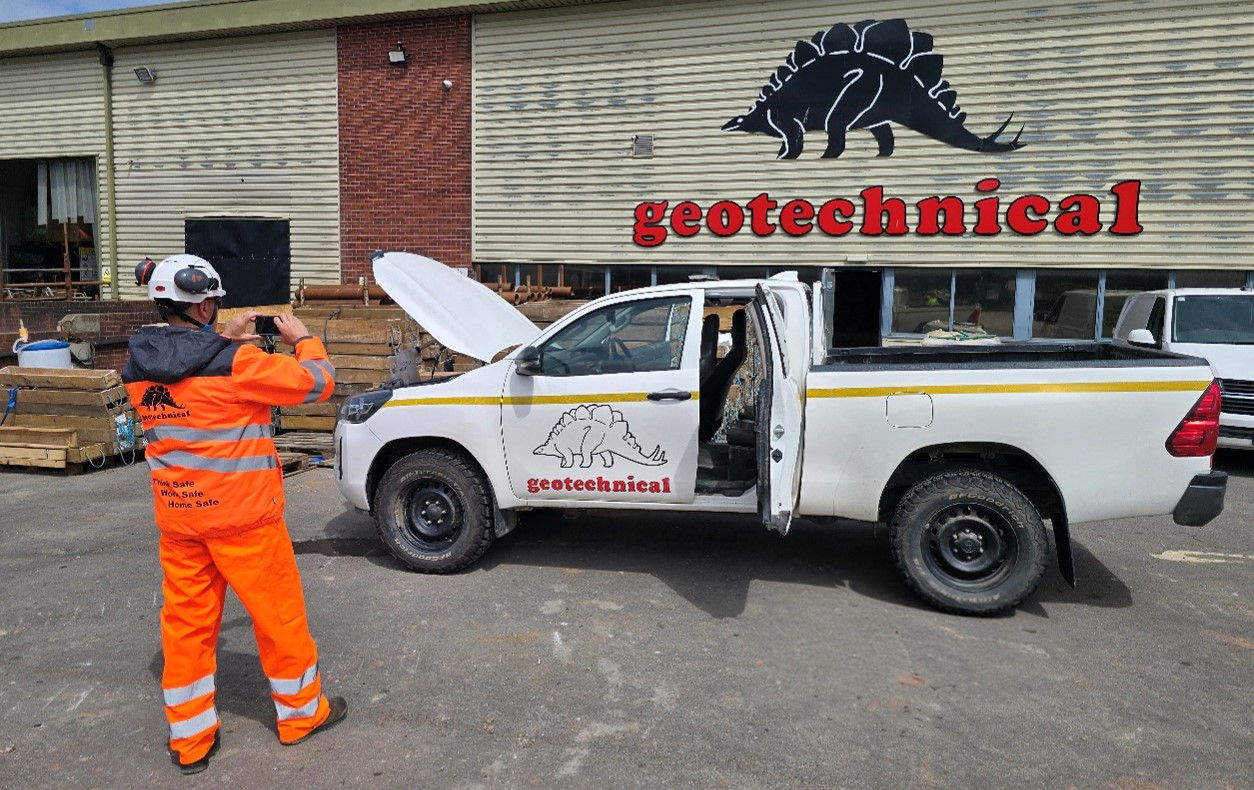
Fig 1. Photo of Kevin Puckett, Health & Safety Manager. Taken by Rachael Parry.
It should be understood if escalation (including immediate) is necessary due to what you have observed or learned.
Hazard observation is not well suited in the event of an incident or near miss and certainly not immediately following one. In those cases, the incident must be reported and investigated in accordance with employer/site procedures, including immediately to the Site Manager or similar.
Recognising Positive Safety Behaviours
Hazard observation systems can also be an effective way to recognise and reinforce positive behaviours. Submitting positive observations allows organisations to acknowledge individuals who show outstanding commitment to health, safety, and wellbeing. In some workplaces, this recognition is further supported through formal health and safety awards or commendations and can help to strengthen overall culture and boost morale.
Creating a Culture of Accountability and Care
Documenting hazards is not about assigning blame or identifying fault. It is about protecting people, learning from experience, and reinforcing a shared commitment to safety. When individuals are encouraged and supported to raise concerns without fear, safety becomes proactive rather than reactive.
A strong safety culture is built on shared responsibility. When everyone takes ownership of safety, trust grows, engagement improves, and people naturally look out for one another. For this to happen, managers and leaders must consistently demonstrate their commitment to workers’ safety. Workers need to see and believe that their wellbeing genuinely matters.
When carried out with the intent to learn and improve, hazard observation can play a significant role in reinforcing this commitment and strengthening the overall safety culture.
Driving Continuous Improvement
Hazard observations can support the ongoing development and refinement of safe systems of work. They enable organisations to:
- Recognise positive behaviours and good practices
- Verify compliance with Health and Safety Procedures
- Improve Risk Assessments and Method Statements (RAMS)
- Strengthen Standard Operating Procedures (SOPs)
Safety is not simply a compliance exercise, it is a mindset. Each observation represents an opportunity to learn, adapt, and improve.
Article provided by Rachael Parry, Operations Support Manager at Geotechnical Engineering Limited