 Search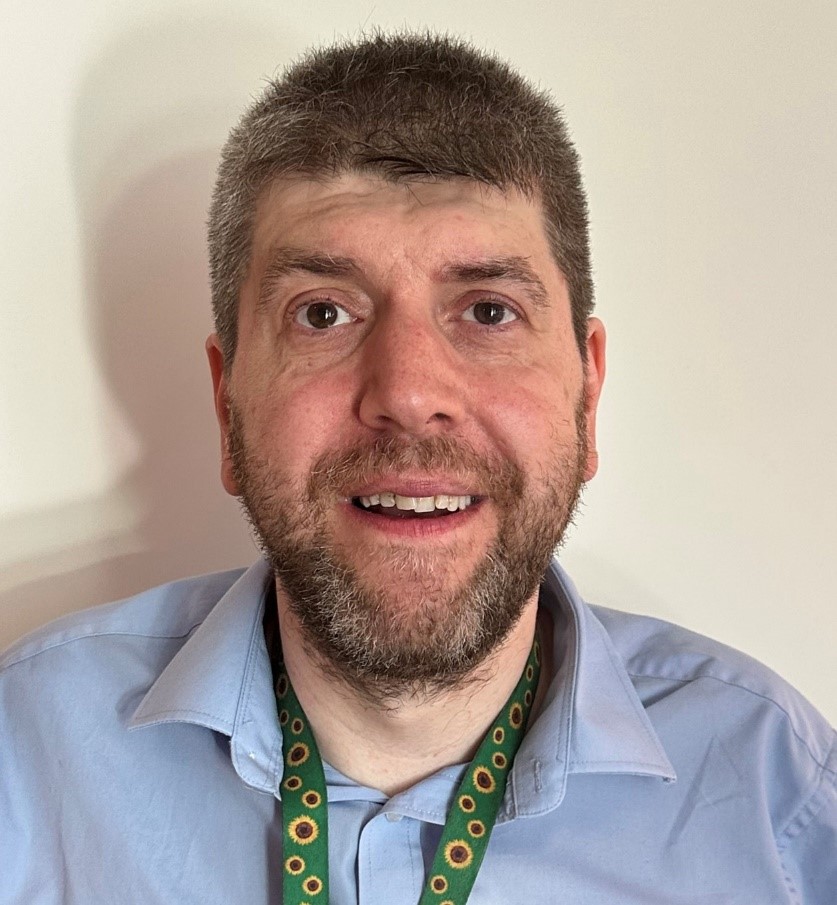
Understanding Neurodiversity and Disability
Neurodiversity Defined
Neurodiversity refers to the limitless variability of the human nervous system, influenced by environmental factors. It represents differences in how people think, move, process, and communicate, which can change throughout their lives. Neurotypical (NT) individuals are considered “ordinary,” while Neurodivergent (ND) individuals have variations in sociability, thinking, processing, learning, attention, mood, and other mental functions.
Neurodivergent conditions include Autism (1-2% of the population), ADHD (up to 5%), Dyslexia (up to 20%), and Dyspraxia (up to 6%). Other rarer conditions include Tourette Syndrome, OCD, PTSD, Dysgraphia, and Dyscalculia. These conditions are celebrated as natural variations of the human experience, with a significant proportion of the working population being neurodivergent. Individuals who are neurodivergent often have overlapping conditions, each with unique strengths, experiences, and perspectives beneficial to the workplace and society. However, they also face unique challenges, requiring integrated, multidisciplinary approaches for effective support.
Defining Disability
A disability is a condition that affects a person’s daily life and work. In 2022/23, 16.1 million people in the UK had a disability, with 80% having hidden impairments. Disability prevalence increases with age: 11% of children, 23% of working-age adults, and 45% of adults over State Pension age are disabled. Disabilities can be physical, sensory, intellectual, emotional, or developmental.
83% of disabilities are acquired during a person’s lifetime. By 2030, 40% of the working-age population is expected to have a long-term mental health condition. In our sector, disabilities include mobility impairments, mental health issues, visual or hearing impairments, and chronic health conditions. It’s crucial to develop inclusive practices to accommodate diverse needs and ensure everyone can contribute effectively.
Gaining Support
If you have a physical or mental impairment that has a substantial and long-term adverse effect on your ability to carry out normal day-to-day activities. The Equality Act (2010) can protect you against discrimination in education, work and services provided for you. It can require employers, colleges, venues and service providers to make reasonable adjustments, provide support and make things accessible. You are also protected from discrimination if you are connected with someone who has a disability, for example, a family member or friend, or if you’ve complained about discrimination or supported someone else’s claim.
To make things accessible, a disabled person or a neurodivergent person can receive support. Reasonable adjustments are changes an employer makes to remove or reduce a disadvantage related to someone’s condition/impairment. These are specific to a person. They can be for physical or mental health conditions. They can cover any area of work. It is not enough for employers to provide disabled people with the same working conditions as non-disabled people. Employers must make reasonable adjustments by law. Yet it is vital to remember that some disabled people might not need or want adjustments, although this might change over time.
Creating a dynamic culture of neuroinclusion is an ongoing journey of neurotypicals working alongside neurodivergent and disabled colleagues, revising practices / polices and readdressing attitudes and removing subtle acts of exclusion. When an organisation has a growing neuroinclusive culture, it means ongoing development of an environment where neurodivergent and disabled employees feel comfortable being themselves. For example, many neurodivergent people may not feel comfortable sharing their neurodivergence with their employer due to the harmful stereotypes, stigma, and misinformation. When organisations can show they are learning more about neurodiversity and working towards being more inclusive, it sends a powerful message, internally and externally.
Challenges Faced by Neurodiverse and Disabled Individuals
Physical Barriers
Often, working on-site can be notoriously demanding, with many tasks requiring physical strength, dexterity, and endurance. For individuals with mobility impairments or chronic health conditions, navigating these physical demands can be challenging. Inclusive design, adaptable work areas, and assistive technology, for instance, using a tablet as a data logger application, can help mitigate these barriers. Flexible work patterns can also greatly benefit disabled employees.
Communication Barriers
Effective communication is pivotal in engineering and construction, where collaboration and coordination are key. Neurodiverse individuals experience challenges in traditional communication methods. For instance, they might prefer visual aids or written instructions as a snappy bullet point over verbal communication. Understanding and accommodating these preferences can enhance productivity and reduce misunderstandings by neurotypical and neurodivergent employees alike.
Stereotypes and Stigma
Despite growing awareness, media stereotypes and stigma around neurodiversity and disability persist. Neurodivergent individuals may be unfairly judged as lacking competence or being difficult to work with, while disabled individuals might be seen as unable to perform certain tasks. These misconceptions can lead to discrimination and exclusion, undermining the potential contributions of these individuals.
Benefits of Embracing Neurodiversity and Disability
Enhanced Problem-Solving
Neurodiverse individuals often excel in areas such as pattern recognition, creative thinking, and complex problem-solving. For instance, individuals with dyslexia might have strong spatial reasoning skills, while those with ADHD could bring a high level of energy and innovation. In engineering and construction, where every project presents unique challenges, these skills are invaluable.
Improved Innovation
Diverse teams are known to drive innovation, as they bring a wider range of perspectives and ideas to the table. Neurodiverse and disabled individuals can offer fresh insights that might not be considered in a more homogenous team. For example, an individual with Autism might approach a problem with meticulous attention to detail, uncovering solutions that others might overlook.
Curiosity
Curiosity is a driving force behind scientific and technological advancement. Neurodivergent individuals often possess an insatiable curiosity that leads them to explore new ideas and question established norms. As Einstein famously said, “I have no special talents. I am only passionately curious.” Curie echoed this sentiment, stating, “Be less curious about people and more curious about ideas.” This relentless pursuit of knowledge fuels innovation and discovery.
Pattern Thinking
Pattern thinking is the ability to recognise and understand patterns in data and phenomena. Darwin’s observation, “My mind seems to have become a kind of machine for grinding general laws out of large collections of facts,” highlights the importance of pattern thinking in scientific inquiry. Tesla’s fascination with nature and his belief that “to discover the forces which are active, and the laws which govern them, is the highest aim of the intellect of man,” underscores the value of pattern recognition in engineering and invention.
Perseverance
Perseverance is a hallmark of many successful scientists and engineers. Newton’s declaration, “My powers are ordinary. Only my application brings me success,” emphasises the role of persistence in achieving breakthroughs. Curie’s advice, “We must have perseverance and above all confidence in ourselves,” is a testament to the determination required to overcome challenges and make significant contributions in engineering.
Creativity
Creativity is the ability to generate novel ideas and solutions. Einstein described creativity as “intelligence having fun,” highlighting the joy and fulfilment that comes from innovative thinking. Tesla’s reflection on the satisfaction of seeing his ideas materialise—“Such feelings make man forget food, sleep, friends, love, everything”—captures the profound impact of creativity on human achievement.
Increased Employee Satisfaction and Retention
Creating such an environment where neurodiverse and disabled individuals feel valued can significantly enhance employee satisfaction and retention. When employees feel supported and respected, they are more likely to be engaged and committed to their work. This, in turn, can lead to higher productivity and reduced employer turnover.
Strategies for Inclusion
Accessible Workspaces
Designing accessible workspaces is fundamental to including individuals with disabilities and those who neurodivergent. This includes ensuring physical accessibility, such as ramps and elevators, as well as ergonomic workstations that can be adjusted to meet individual needs. In construction sites, portable accessibility solutions should be implemented to accommodate workers with mobility impairments.
Flexible Work Arrangements
Flexibility in work arrangements can support neurodiverse and disabled individuals in managing their conditions. This includes flexible work hours, part-time work, compressed workweeks, job sharing, and employee choice in shifts. For example, remote work or flexible hours can help individuals with chronic health conditions or mental health disorders. Offering flexibility benefits both neurodivergent and neurotypical staff by empowering them and creating a culture of trust and loyalty.
Staff training
Educating colleagues at all levels about neurodiversity and disability is crucial in fostering an inclusive environment. Training programs can help fellow employees understand the strengths and challenges associated with different conditions, promoting empathy and reducing stigma. Consequently, all staff will benefit from training on disability and neurodivergence. Training is important for line managers, senior management, Human Resources (People Team) staff, and anyone working in inclusion. Line managers are the most important point of contact for any employee. Managers must access quality training to support and get the best out of their neurodivergent colleagues. When searching for quality training, make sure it values lived experience, has been developed with neurodivergent people, and is evidence-based.
Awareness Programs
Awareness sessions/programs can highlight the importance of diversity in driving innovation and success. Breaking down barriers and enabling a shared understanding of disability and neurodiversity empowers participants to grow in emotional intelligence and allyship.
Furthermore, awareness days/weeks are also one step removed from finding opportunities to be open about neurodivergence. Organisations with neurodivergent or disabled individuals can easily connect to Neurodiversity Celebration Week, International Persons With A Disability Day or other relevant awareness days.
These events can become tiresome, tokenistic, repetitive, fizzle out, and ultimately unproductive in raising awareness of differences within our workplaces. It is best not to do these once; they are more effective when creating several pieces of content over time, with different staff, rather than a one-off piece. Often, there remains some gestures or efforts of compliance towards members of minority groups, often for the pursuit of appearance or a CPD tick box rather than commitment to diversity and equity. The goal is awareness vents is to lead to acceptance and freely talking about neurodivergence and normalising it. Adopting neuroinclusion lets neurodivergent people know your organisation is one where difference is valued; it is recognised as a key first step towards attracting fresh talent.
Increased Representation
Openly disabled and neurodivergent employees do not see themselves represented in STEM, many may internalize that such careers are not made for them. Before I graduated in 1995, I was one. I started my working life as a laboratory technician and then entered university by the back door, and a lot of hard work. When people of an underrepresented group do not see themselves in our sector, they likely learn similar messages too. When managers and senior leadership members are open about their neurodivergence, it creates an environment where employees and prospective employees feel comfortable bringing their whole selves to work.
Personal stories from managers are powerful actions in the workplace. Ask senior leaders or managers to create a blog, quote or article about their connection to neurodivergence for your organisation’s website or social media channels. This sends a powerful message. They could include their own experiences of neurodivergence in the workplace, what has helped them, and the challenges they have overcome. There is still a lack of representation in higher positions, making it it difficult for future generations of employees to envision themselves in those roles, reducing the likelihood of them applying for promotions and remaining in the sector.
Inclusive Meetings
Sharing an agenda in advance is crucial for ensuring that everyone knows what to expect and can prepare accordingly. It’s important to recognise that different people may have varying needs during a meeting. For instance, one person might prefer using a fidget toy to stay focused, while another might take detailed hand-written notes. In online meetings, offering the option to have cameras on or off can make participants feel more comfortable. Utilising supportive technology, such as AI notetaking, can also enhance the meeting experience.
When planning inclusive events, considering accessibility for one and all and therefore neuroinclusivity is essential. This includes asking staff and visitors if they need any support, offering a quiet space for those who feel overstimulated, and sharing information in advance, such as photos of the venue or directions. When selecting a venue, consider the acoustics and whether the space is likely to be loud with lots of echoes. Additionally, think about the lighting and whether it can be dimmed slightly, and replace any flickering lightbulbs. If asking for feedback, include questions that consider other sensory differences to ensure a more inclusive environment.
Assistive Technology
Assisted technology (physical and digital) refers to any tool or device that helps individuals with neurological differences overcome challenges and perform tasks more easily. For neurodivergent individuals, this may include tools like noise-cancelling headphones, colour-coded calendars, or apps that help with time management and organisation. These technologies can be incredibly helpful for people who experience sensory overload, executive functioning, or other challenges.
Investing in assistive technology is a key strategy for inclusion. Other specific tools such as speech-to-text software, visual aids, and ergonomic equipment can support neurodiverse and disabled individuals in performing their roles effectively. In our sector, specialised equipment that accommodates physical impairments can make a significant difference at a negligible cost.
Mentorship and Support Networks
Mentorship programs, such as the Ground Forum Undergraduate Mentoring Programme or those associated with professional membership bodies’ early career networks, can provide much needed support to neurodiverse and disabled individuals with the guidance and encouragement they need to thrive. Pairing these individuals with experienced mentors who understand their unique needs can enhance their professional development and help them navigate the challenges of the industry.
Employee Resource Groups provide a psychological safe place for employees to be authentic and find their tribe and support in the form of mentorship if required. These are networks given the correct support (leadership, volunteers, time, and budget) that have been shown to foster a climate of acceptance of diversity, driven by curiosity and collaboration. Welcoming diverse mindsets and creating inclusivity in all we do helps throughout the employee lifecycle, from attraction to induction to retention to promotion to separation. This removes stigma, to improve the well-being, and showcase the potential of employees. A neurodiversity network should be available to anyone who identifies as neurodivergent, diagnosed or otherwise, as well as parents of neurodivergent people and allies.
Conclusion: The Future of Inclusion
Living with a disability and or being neurodivergent means living with inaccurate and unfair judgments by others. For people with more apparent disabilities, it results in the consistent need to prove your ability and competency. For people with less apparent disabilities, it results in the consistent need to prove our needs and conditions. For all of us, it is a consistent desire to be seen as a whole human with needs and abilities. Neurodiversity or being disabled isn’t something to fix – it’s a natural part of being human. Take the time to listen, learn, and celebrate the neurodivergent people in your life. We are different, not less, trying to fit into a world not built for us.
Our sector stands at a pivotal moment in its journey towards inclusion. Embracing neurodiversity and disability is not just a matter of compliance but a strategic advantage that can drive innovation, enhance problem-solving, and improve employee satisfaction. By implementing accessible workspaces, flexible work arrangements, training programs, assistive technology, and mentorship networks, our sector can be an environment where all individuals have the opportunity to thrive.
As the sector continues to evolve, it’s essential to recognise and celebrate the unique contributions of neurodiverse and disabled individuals.
Our strengths, perspectives, and talents are invaluable assets that can propel the industry forward. By fostering a culture of neuroinclusion, ground engineering and construction can become a beacon of diversity, paving the way for a more equitable and sustainable future for one and all to belong and thrive.
Article provided by Martin Griffin.
Martin is a multi-awarded EDI Champion and UK-based Principal Geotechnical Engineer with the international multidisciplinary consultancy GHD based in their London office. He is neurodivergent (autistic, dyslexic, dyspraxic) and visually impaired. He is a Chartered Engineer, Chartered Geologist and a Fellow of the Institution of Civil Engineers, Fellow of the Institute of Diversity and Equality Professionals. Currently, he is serving as a Geological Society Vice President for Equity, Diversity and Inclusion, the inaugural chairperson of the EqualEngineers Neurodiversity Network and the inaugural Chair of Abley Different( IOM3’s network group for those who are disabled or neurodivergent). He may be contacted at geogreencoat@googlemail.com or found on his LinkedIn pages.